
Plant
Russian Atriplex
Atriplex micranthaAlso known as Russian Orache, Two-Scale Saltbush
Russian atriplex thrives in harsh, salt-rich environments, readily colonizing highway corridors treated with winter de-icing salts. It produces two distinct types of seeds, ensuring reproductive success across variable rainfall and soil salinity regimes. Dense stands stabilize disturbed ground while offering late-season forage and seed resources for granivorous songbirds.
HalophyteAnnualWind-Pollinated
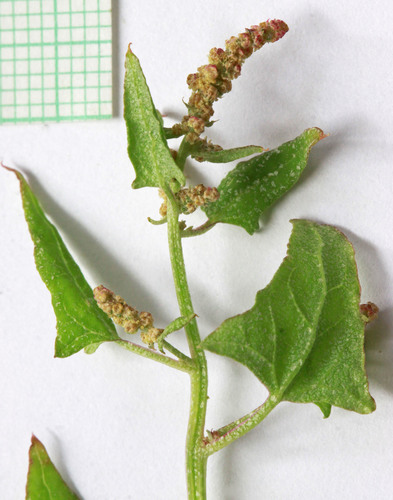
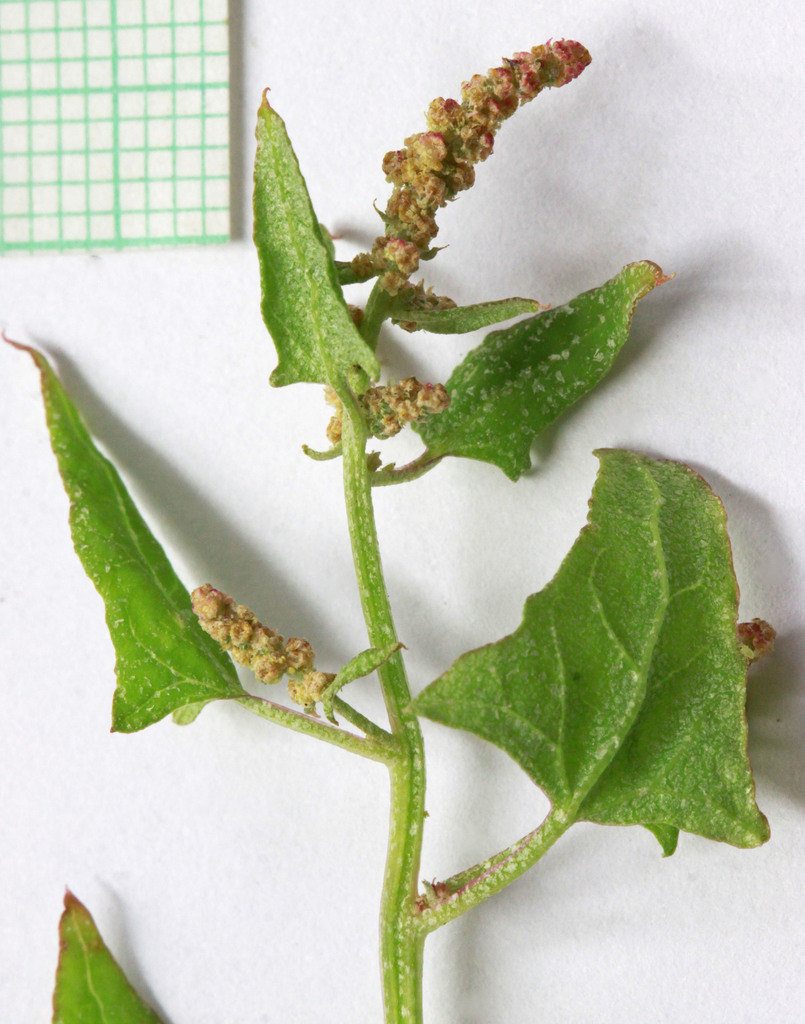
—observations
—countries
—peak records
Not EvaluatedConservation statusIUCN Red List categoriesLCNTVUENCREWEXNot Evaluated — not placed on the risk ladderRed List categories, explained →
Diet & preySunlight, Soil Nitrogen, Soil Moisture
Predators
- Domestic Sheep
- Horned Lark
- Flea Beetle Larvae
ThreatsHerbicides, mechanical mowing along road verges, and dense competitive vegetation
HabitatsSaline steppes, roadsides, disturbed wastelands, and coastal flats
Life span1 year (annual)
Classification
- OrderCaryophyllales
- FamilyAmaranthaceae
- GenusAtriplex
- SpeciesAtriplex micrantha
Range data is not available yet.
Interaction riskLow
- Low
- Moderate
- High
- Very high
- Why interaction risk is low
- Safe to observe at a normal distance.
Responsible observation
- Field Identification: Inspect the triangular lower leaves and the scurfy, mealy coating on younger stems.
- Seasonal Timing: Look for mature fruiting bracteoles in late summer when distinctive dimorphic seeds form.
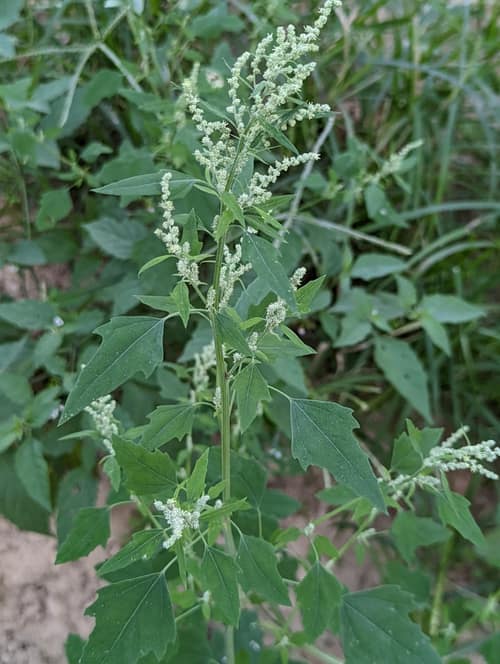
Competitor no rights reserved, uploaded by Kristi Zoebelein · cc0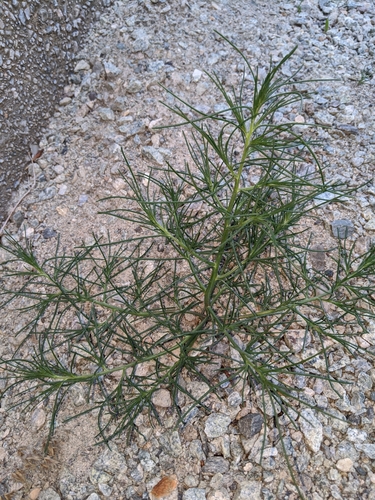
Frequent Companion no rights reserved, uploaded by Ben Keen · cc0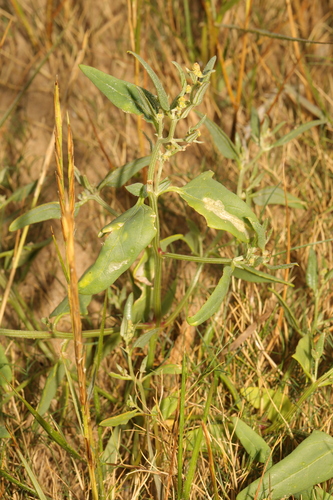
Close Relative no rights reserved · cc0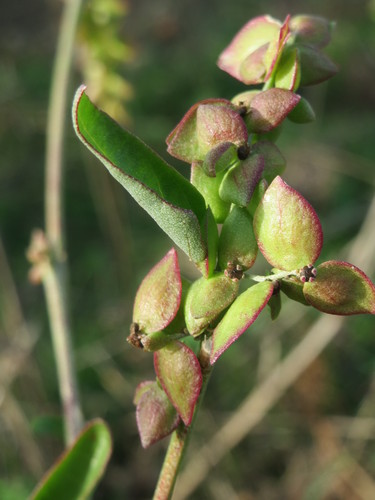
Close Relative (c) Andreas Rockstein, some rights reserved (CC BY-SA) · cc-by-sa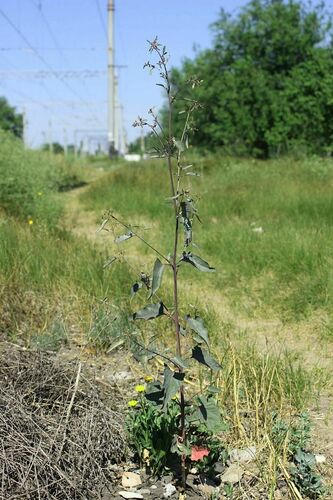
Close Relative (c) Tatyana Sova, some rights reserved (CC BY) · cc-by
Help improve the field guideSomething wrong?
Checking your Fauna account…Report a name, category, or profile issue for review.