
Plant
Chinese Peony
Paeonia lactifloraAlso known as Garden Peony, Common Garden Peony, White Peony
Chinese peonies produce massive, fragrant blooms late in spring, supported by glossy divided foliage that emerges bronze in early spring before maturing to deep green. Wild populations colonize dry scrub, grassy slopes, and open forest margins across eastern Asia, sending thick storage roots deep into rocky soil. Developing flower buds secrete nectar that lures patrolling ants, which protect the emerging petals from destructive pests like thrips.
FloweringPerennialHerbaceous
—observations
—countries
—peak records
Least ConcernConservation statusIUCN Red List categoriesLCNTVUENCREWEXLeast ConcernRed List categories, explained →
Diet & preyAutotrophic (photosynthesis)
Predators
- Japanese Beetle
- Root-knot Nematode
- Peony Botrytis Blight
ThreatsOvercollection of wild roots for traditional medicine, habitat conversion, and fungal blights
HabitatsGrassy slopes, open steppes, riverbanks, forest margins, and cultivated gardens
Life span50–100+ years
Classification
- OrderSaxifragales
- FamilyPaeoniaceae
- GenusPaeonia
- SpeciesPaeonia lactiflora
Range data is not available yet.
Interaction riskHigh
- Low
- Moderate
- High
- Very high
- Why interaction risk is high
- Toxic to dogs and cats if ingested; keep curious pets from chewing the foliage or roots.
- Why it is dangerous
- Contains paeonol and related glycosides that cause vomiting, hypersalivation, and diarrhea in domestic dogs and cats.
- How to recognize a risky encounter
- Look for glossy dark green divided leaves and large multi-petaled spring blooms with red-tinted new shoots.
- What to do
- Plant out of reach of household pets and call a veterinarian if an animal chews the tubers or stems.
Responsible observation
- Ant Activity: Allow ants to walk on emerging flower buds; they feed on sugary nectar and cause zero harm.
- Bloom Support: Install ring supports early in spring to prevent heavy double blossoms from collapsing in rain.
- Winter Care: Cut herbaceous stems back to ground level in autumn to prevent overwintering fungal spores.
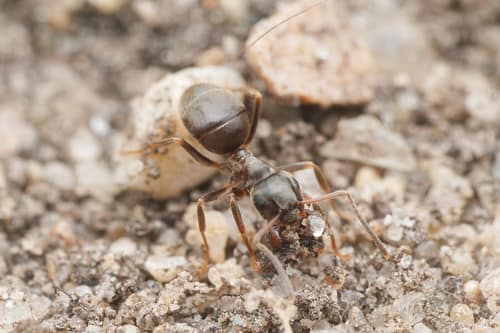
Symbiont (c) Jonghyun Park, some rights reserved (CC BY), uploaded by Jonghyun Park · cc-by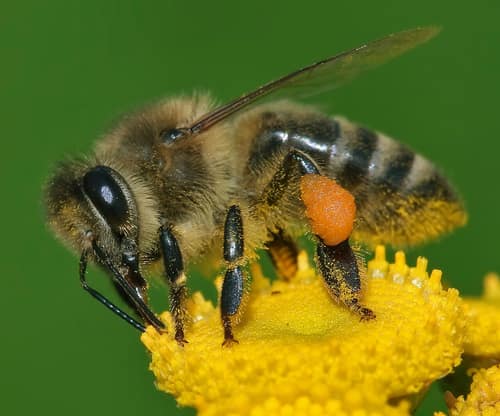
Pollinator Andreas Trepte / CC BY-SA 2.5 · cc-by-sa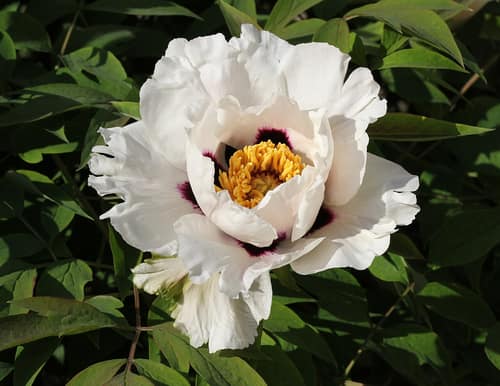
Close Relative George Chernilevsky / Public domain · cc0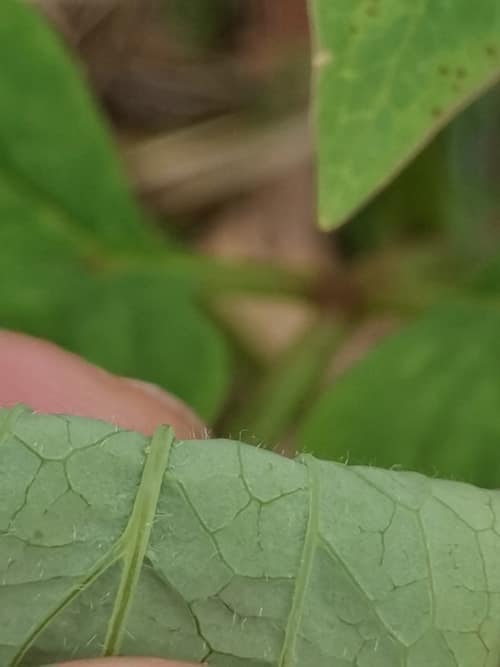
Close Relative (c) Ljaž, some rights reserved (CC BY), uploaded by Ljaž · cc-by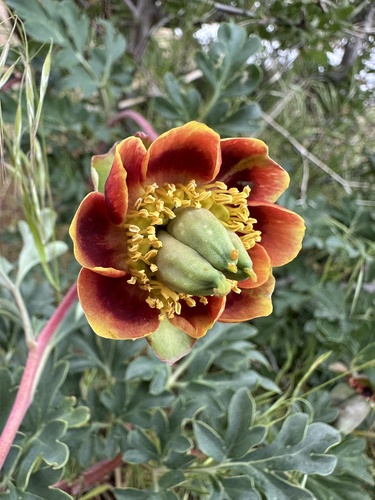
Close Relative (c) Matt Berger, some rights reserved (CC BY) · cc-by
Help improve the field guideSomething wrong?
Checking your Fauna account…Report a name, category, or profile issue for review.