
Plant
Cannonball Tree
Couroupita guianensisAlso known as Ayahuma, Nagalingam Tree, Kailashpati
Cannonball trees bear clusters of large, intensely fragrant pink, orange, and scarlet flowers growing directly from woody stalks on the trunk, an adaptation known as cauliflory. These showy blossoms produce no nectar, instead offering two distinct types of pollen to attract large native bees that roll across the hooded reproductive structures. Over the course of twelve to eighteen months, pollinated flowers swell into dense, heavy woody spheres that crash to the ground and crack open with an explosive pop, revealing a pungent pulp favored by peccaries.
RainforestCauliflorousTropical
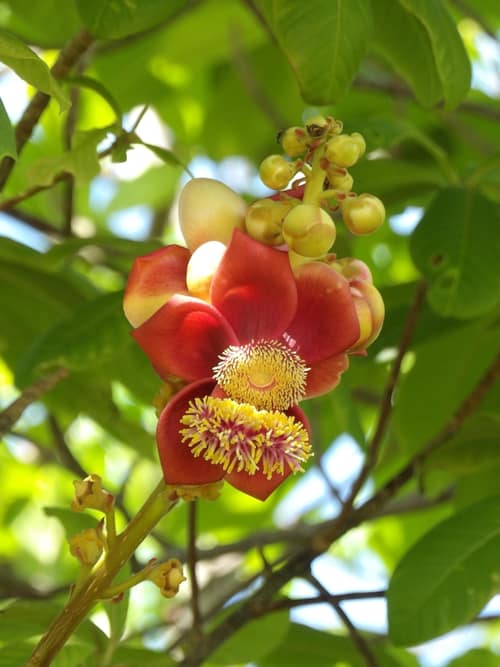
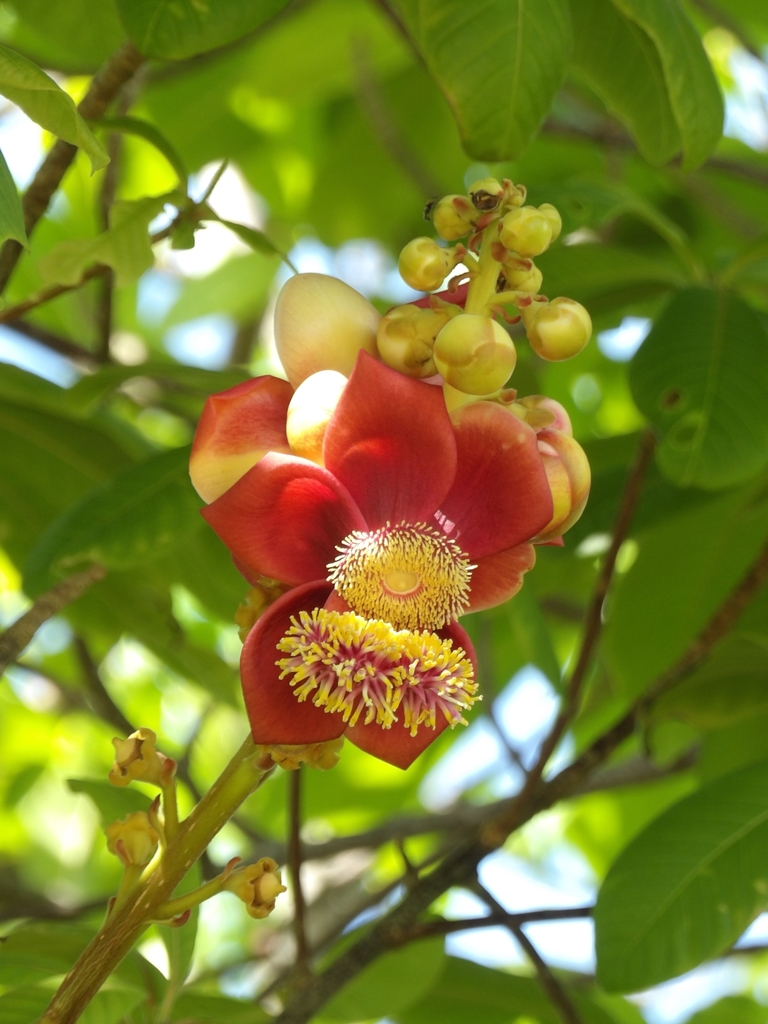
—observations
—countries
—peak records
Least ConcernConservation statusIUCN Red List categoriesLCNTVUENCREWEXLeast ConcernRed List categories, explained →
Diet & preyAutotrophic (photosynthetic)
ThreatsDeforestation, illegal logging, and habitat fragmentation
HabitatsLowland tropical rainforests and river floodplains
Life span100–150 years
Classification
- OrderEricales
- FamilyLecythidaceae
- GenusCouroupita
- SpeciesCouroupita guianensis
Range data is not available yet.
Interaction riskLow
- Low
- Moderate
- High
- Very high
- Why interaction risk is low
- Safe to observe, but stand clear of the trunk to avoid falling heavy fruit.
Responsible observation
- Watch the Canopy: Stand back from under mature fruiting branches, as fallen cannonballs can weigh over two kilograms.
- Follow the Scent: Locate blooms in botanical gardens by smelling for their powerful, rose-like fragrance in the early morning.
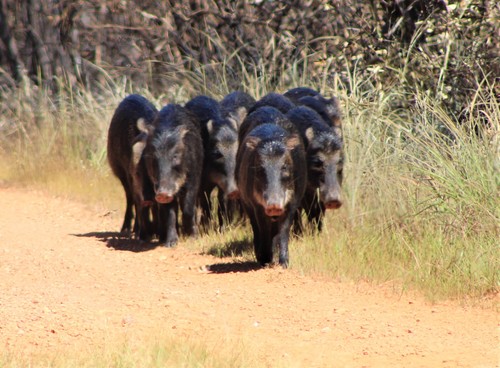
Seed Disperser (c) Pedro Sisnando Araújo dos Santos, some rights reserved (CC BY) · cc-by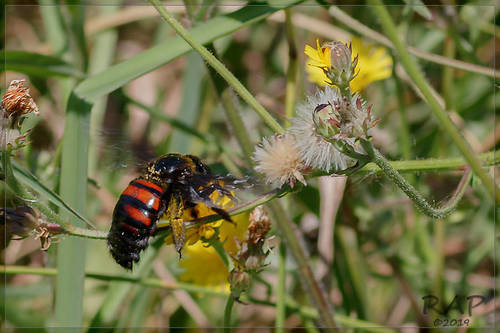
Pollinator (c) RAP, some rights reserved (CC BY), uploaded by RAP · cc-by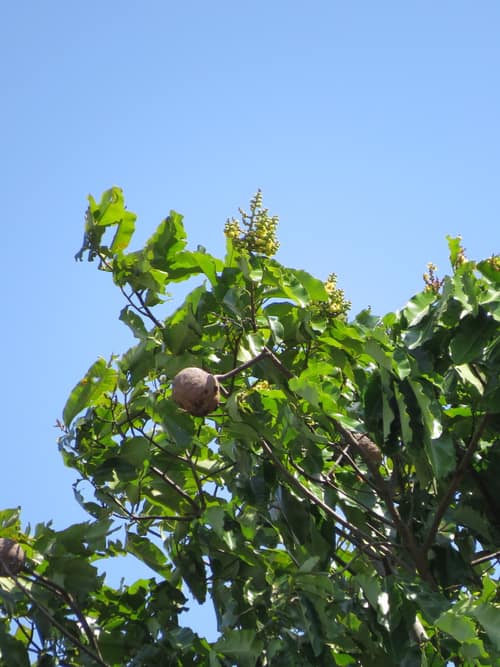
Same Family (c) Leonardo Bergamini, some rights reserved (CC BY), uploaded by Leonardo Bergamini · cc-by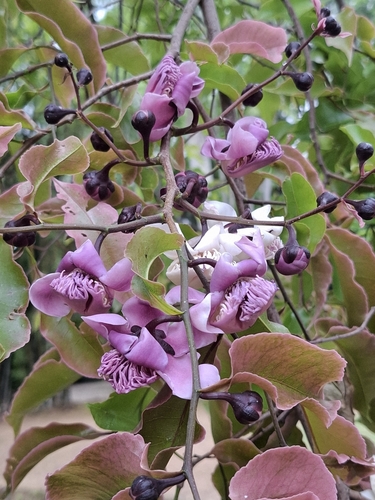
Same Family (c) Fabricio Carvalho da Silva, some rights reserved (CC BY), uploaded by Fabricio Carvalho da Silva · cc-by
Help improve the field guideSomething wrong?
Checking your Fauna account…Report a name, category, or profile issue for review.