
Plant
Carolina Sea Lavender
Limonium carolinianumAlso known as Marsh Root, Canker Root, Lavender Thrift, American Thrift
Carolina sea lavender thrives in the harsh, brine-soaked soils of Atlantic salt marshes, excreting excess sodium through specialized salt glands scattered across its thick, spoon-shaped leaves. Late in summer, low basal rosettes send up airy, heavily branched panicles adorned with hundreds of tiny, pale lavender flowers that give coastal flats a soft purple haze. These late-season blossoms serve as vital fuel stops for migrating coastal butterflies and native bees while fibrous root networks help stabilize delicate tidal mud.
Salt-TolerantCoastalFlowering
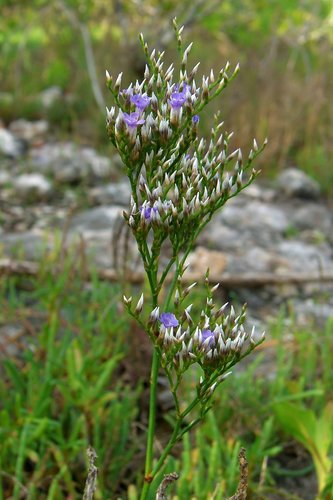
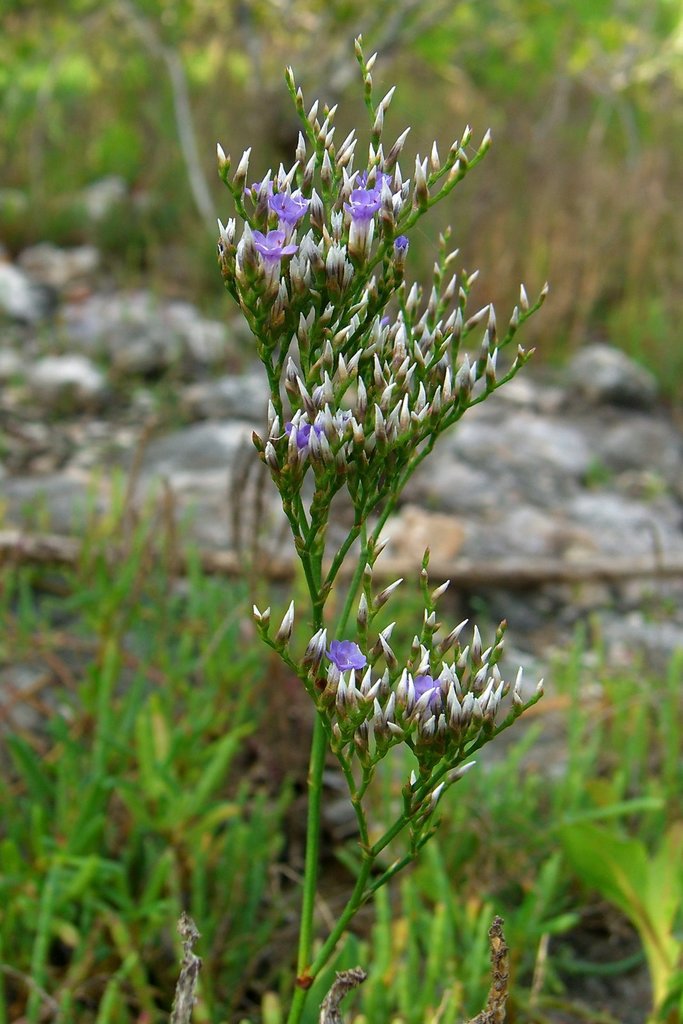
—observations
—countries
—peak records
Least ConcernConservation statusIUCN Red List categoriesLCNTVUENCREWEXLeast ConcernRed List categories, explained →
Diet & preyPhotoautotroph (sunlight, water, and saline soil minerals)
Predators
- Marsh aphids
- Caterpillars
- Grazing waterfowl
ThreatsCoastal development, shoreline erosion, sea-level rise, and overharvesting for floral arrangements
HabitatsSalt marshes, tidal flats, coastal dunes, and brackish estuarine edges
Life span5–10+ years
Classification
- FamilyPlumbaginaceae
- SpeciesLimonium carolinianum
Range data is not available yet.
Interaction riskLow
- Low
- Moderate
- High
- Very high
- Why interaction risk is low
- Safe to observe at a normal distance.
Responsible observation
- Leave the Blooms: Avoid cutting wild flower stems for dried crafts, as harvesting removes the seed bank needed for natural regeneration.
- Stay on Boardwalks: Stick to established trails and docks to prevent crushing slow-growing root crowns embedded in soft marsh mud.
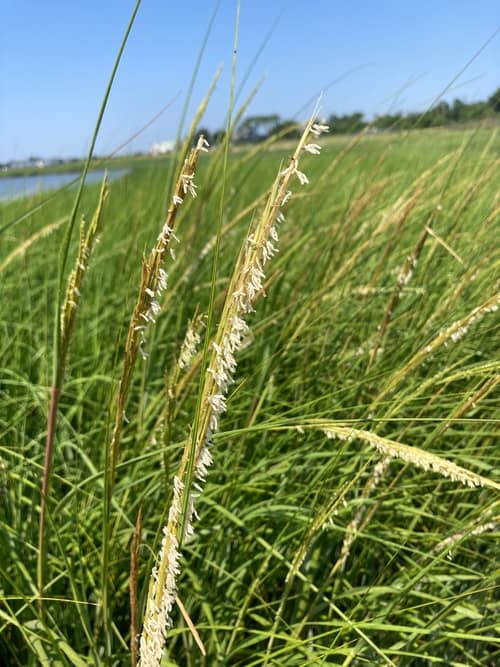
Frequent Companion (c) er-birds, some rights reserved (CC BY), uploaded by er-birds · cc-by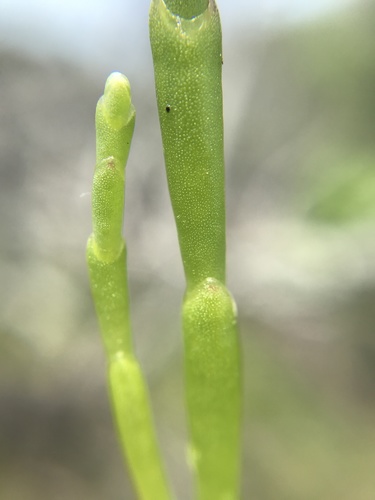
Frequent Companion (c) Chase Mathey, some rights reserved (CC BY), uploaded by Chase Mathey · cc-by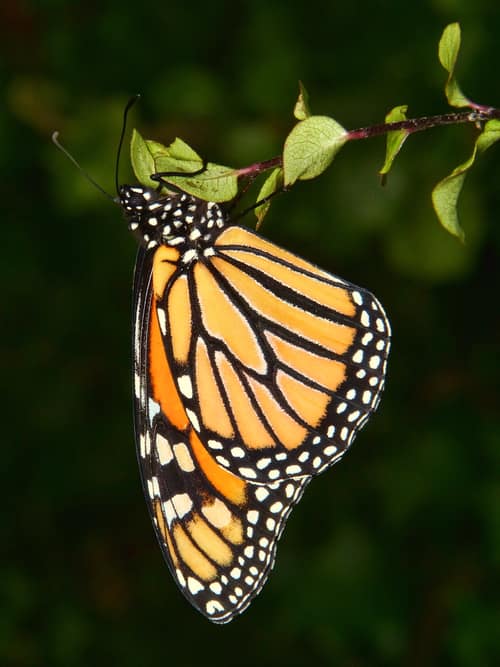
Pollinator Sid Mosdell from New Zealand / CC BY 2.0 · cc-by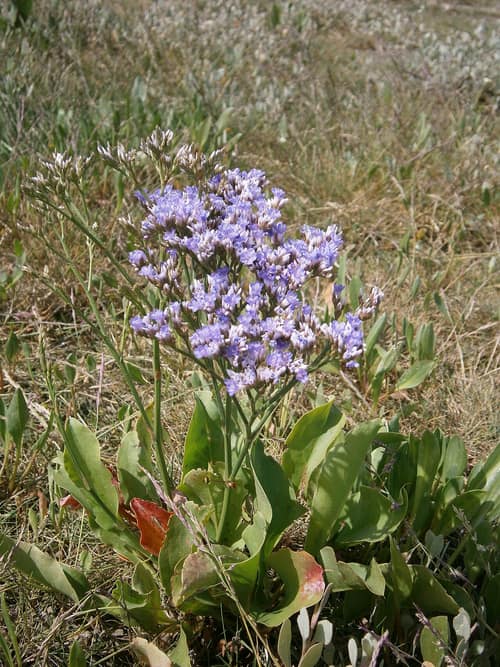
Close Relative Meneerke bloem / CC BY-SA 3.0 · cc-by-sa
Help improve the field guideSomething wrong?
Checking your Fauna account…Report a name, category, or profile issue for review.