
Plant · GBIF taxon 3082274
Kousa Dogwood
Cornus kousaAlso known as Japanese Dogwood, Chinese Dogwood, Korean Dogwood
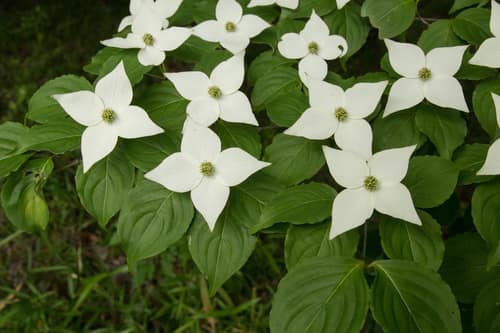
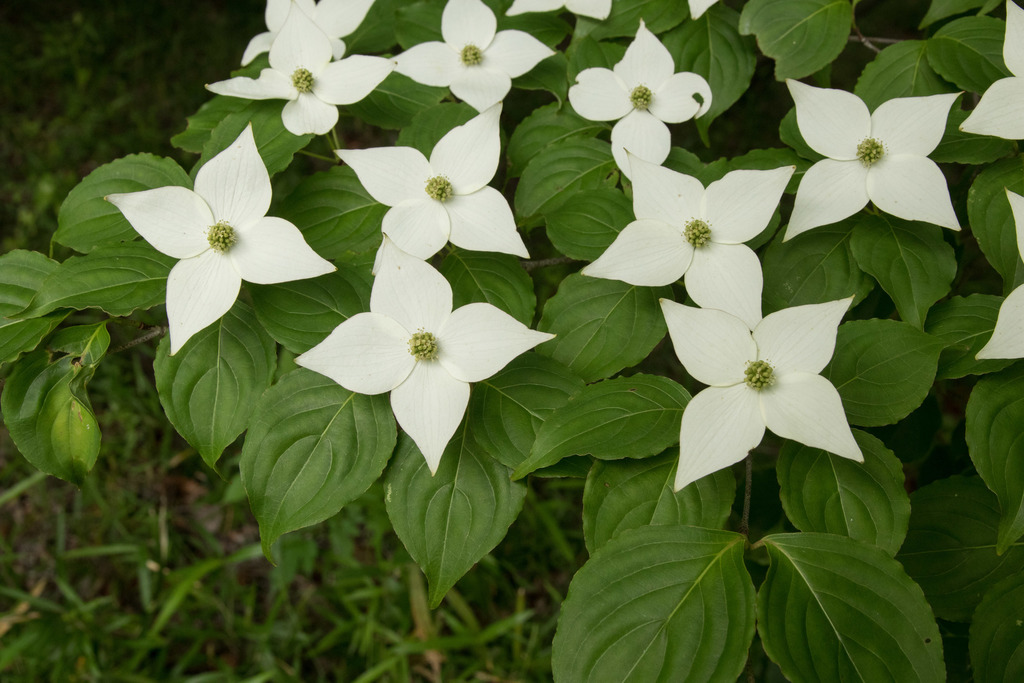
Kousa dogwoods display pointed white floral bracts in late spring after leaves unroll, followed by knobby pinkish-red fruits in autumn. Their characteristic mottled, camouflage-patterned bark adds striking winter interest to woodland edges and cultivated landscapes. The dense canopy offers prime nesting habitat for songbirds while the fall fruit crop provides critical nutrition for resident wildlife.
FloweringDeciduousOrnamental
—observations
—countries
—peak records
Least ConcernConservation statusIUCN Red List categoriesLCNTVUENCREWEXLeast ConcernRed List categories, explained →
Diet & prey
- Photosynthetic
Predators
- White-tailed Deer
- Eastern Cottontail
- Scale Insects
ThreatsDogwood anthracnose, severe drought, root rot
HabitatsTemperate forests, woodland edges, gardens
Life span50–100 years
Size / weightNot available
Classification
- OrderCornales
- FamilyCornaceae
- GenusCornus
- SpeciesCornus kousa
Range data is not available yet.
Interaction riskLow
- Low
- Moderate
- High
- Very high
- Why interaction risk is low
- Wild fruits have toxic look-alikes; never eat wild fruit based on app identification alone.
Responsible observation
- Spring bloom: Look for four-pointed white or pinkish floral bracts appearing after the leaves emerge.
- Autumn fruit: Search branches in late summer for globular, berry-like pinkish-red fruits.
- Winter bark: Identify mature trees by their distinctive mottled, exfoliating camouflage bark patterns.
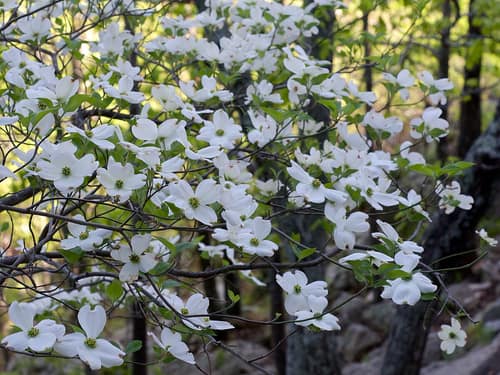
Close Relative Eric Hunt / CC BY-SA 4.0 · cc-by-sa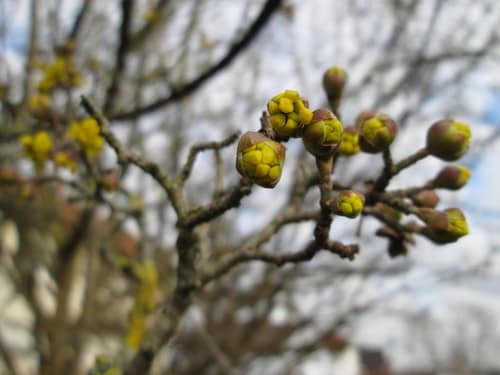
Close Relative (c) Andreas Rockstein, some rights reserved (CC BY-SA) · cc-by-sa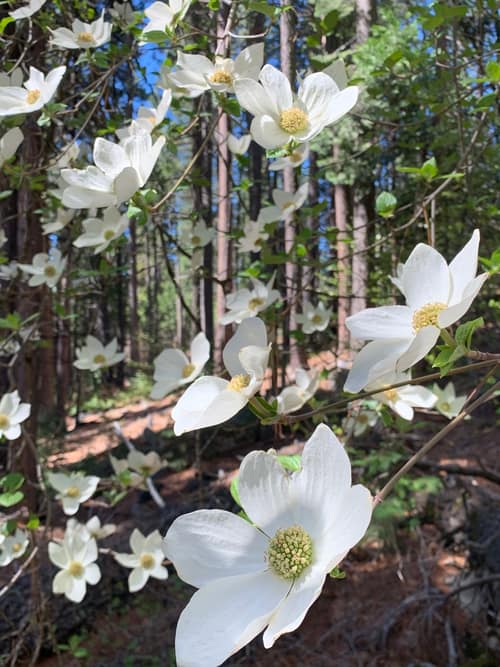
Close Relative no rights reserved, uploaded by Leah Gardner · cc0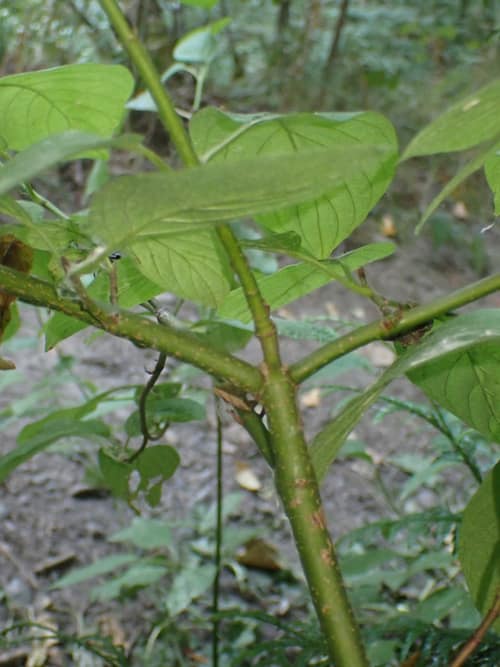
Close Relative (c) giantcicada, some rights reserved (CC BY), uploaded by giantcicada · cc-by
Help improve the field guideSomething wrong?
Checking your Fauna account…Report a name, category, or profile issue for review.