
Plant · GBIF taxon 3082227
Silky Dogwood
Cornus amomumAlso known as Red Willow, Silky Cornel, Kinnikinnick
Silky dogwood forms dense, multi-stemmed thickets along eastern North American waterways, stabilizing riverbanks with its fibrous root network. Flat clusters of creamy white spring flowers give way to striking porcelain-blue berries that feed dozens of migrating bird species every autumn. Fine silky hairs coat the undersides of the leaves, while purplish-red winter stems add rich color to quiet wetland landscapes.
Deciduous ShrubWetland IndicatorBerry Producer
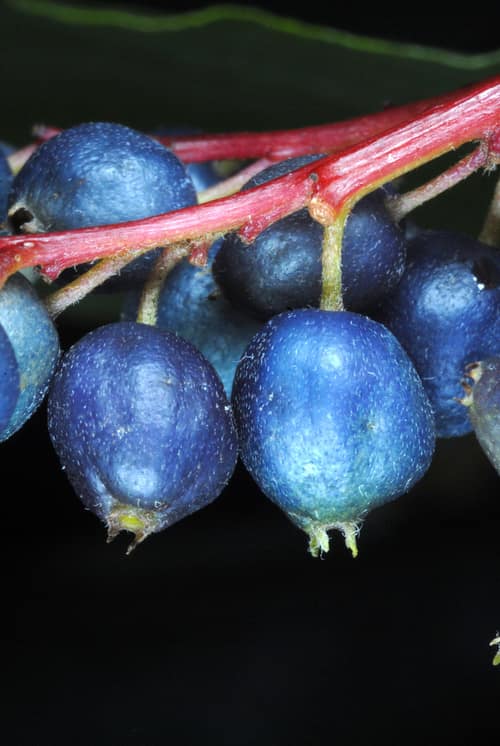
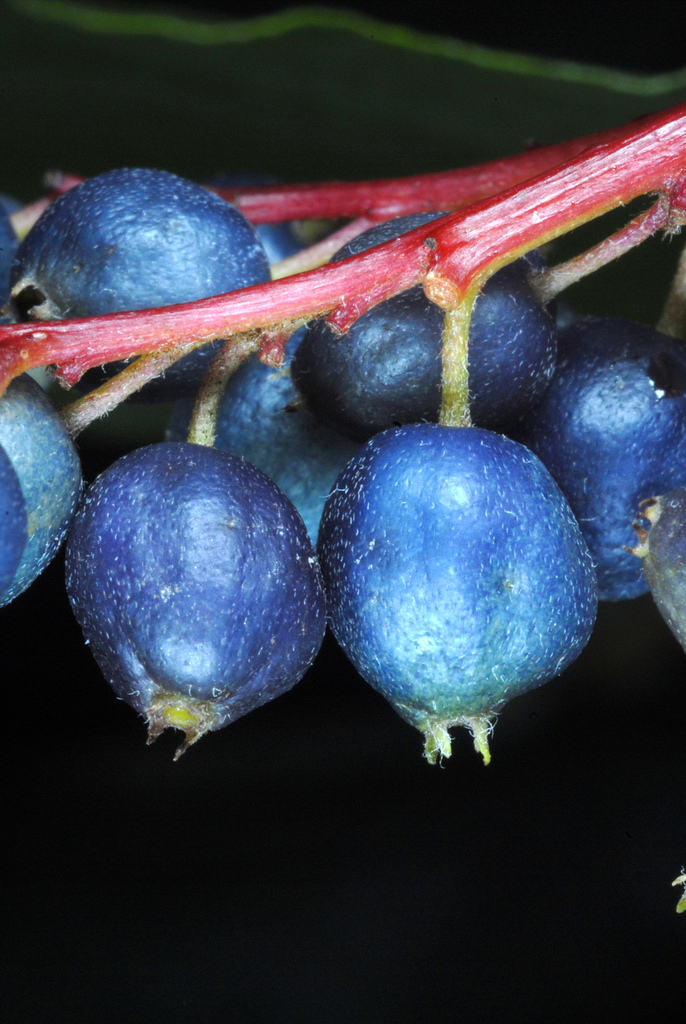 1 / 7
1 / 7—observations
—countries
—peak records
Least ConcernConservation statusIUCN Red List categoriesLCNTVUENCREWEXLeast ConcernRed List categories, explained →
Diet & prey
- Sunlight
- Soil nutrients
- Water
Predators
- White-tailed deer
- Cottontail rabbit
- American beaver
ThreatsHabitat drainage, deer browsing, invasive species competition
HabitatsWetlands, stream banks, floodplains, moist thickets
Life span20–40 years
Size / weightNot available
Classification
- OrderCornales
- FamilyCornaceae
- GenusCornus
- SpeciesCornus amomum
Range data is not available yet.
Interaction riskLow
- Low
- Moderate
- High
- Very high
- Why interaction risk is low
- Wild berries have toxic look-alikes; never eat wild fruit based on app identification alone.
Responsible observation
- Winter Identification: Check twig interiors for brown pith to distinguish from redosier dogwood's white pith.
- Garden Planting: Plant along pond margins or rain gardens to prevent erosion and support pollinators.
- Bird Watching: Observe bushes in late summer to spot songbirds feeding on ripening blue berries.
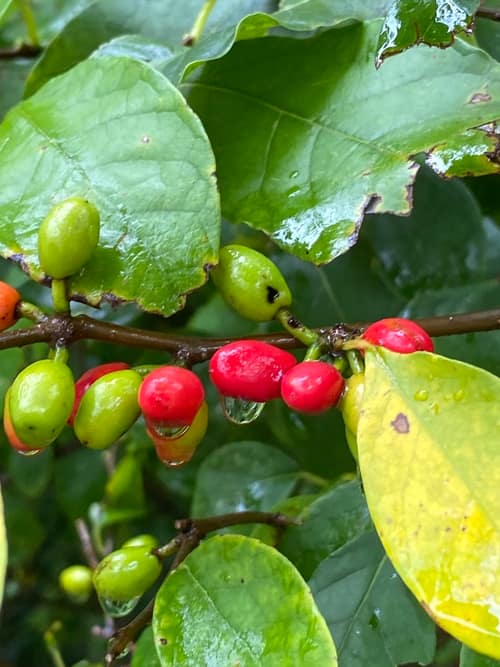
Frequent Companion (c) Sandy Wolkenberg, some rights reserved (CC BY), uploaded by Sandy Wolkenberg · cc-by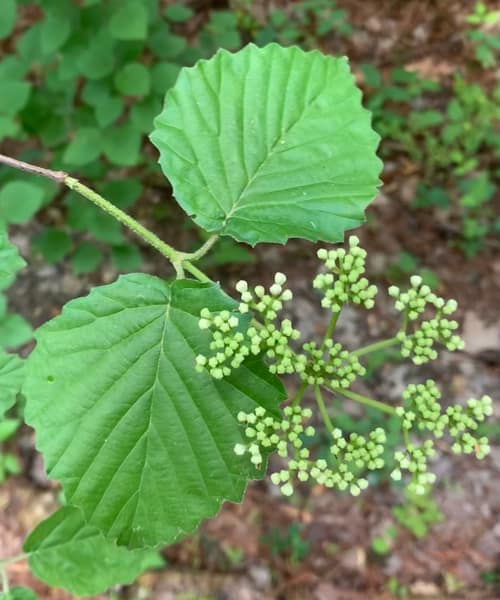
Frequent Companion (c) Ashwin Srinivasan, some rights reserved (CC BY), uploaded by Ashwin Srinivasan · cc-by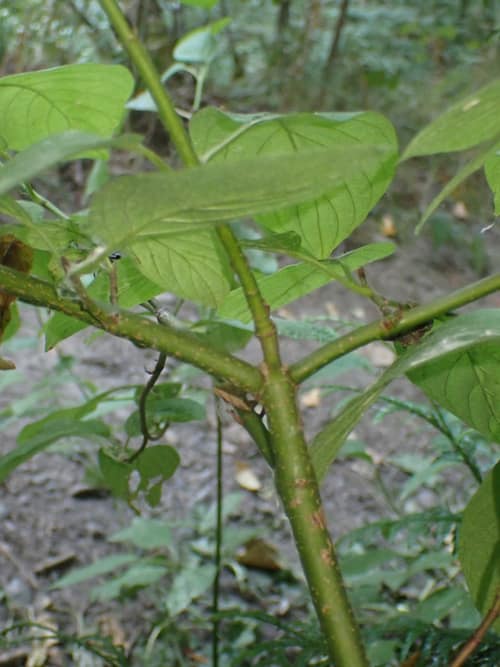
Close Relative (c) giantcicada, some rights reserved (CC BY), uploaded by giantcicada · cc-by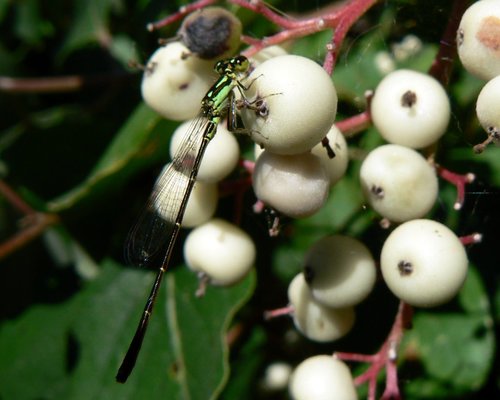
Close Relative (c) Benny Mazur, some rights reserved (CC BY) · cc-by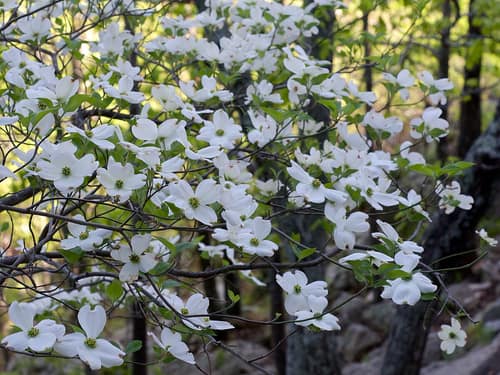
Close Relative Eric Hunt / CC BY-SA 4.0 · cc-by-sa
Help improve the field guideSomething wrong?
Checking your Fauna account…Report a name, category, or profile issue for review.