
Plant
Tung Oil Tree
Vernicia fordiiAlso known as Tung Tree, China Wood-Oil Tree, Kalo Nut Tree
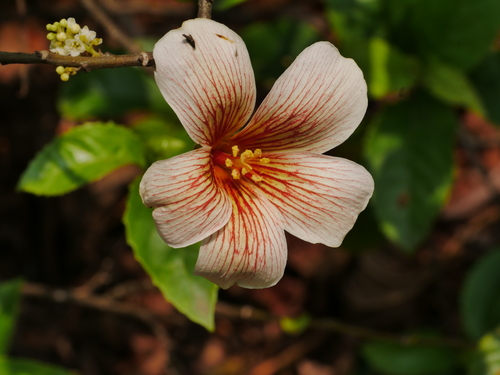
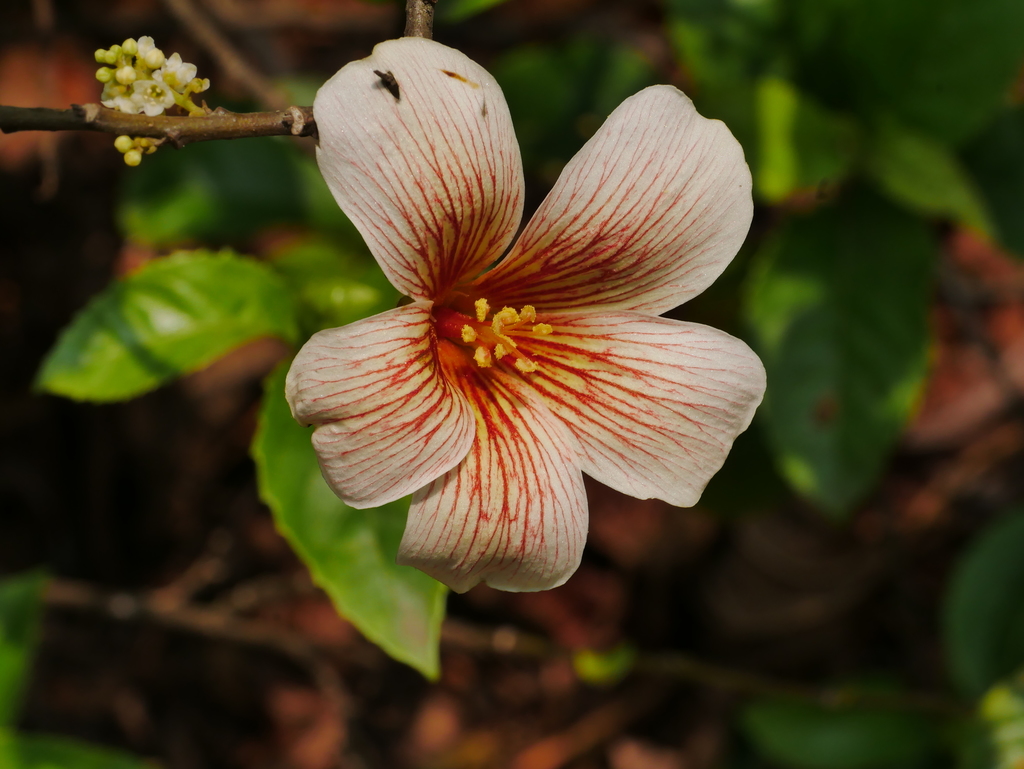
Tung oil trees showcase broad, heart-shaped leaves and delicate white blossoms with reddish-pink throats each spring. Their large, spherical seed pods yield a quick-drying oil long valued for waterproofing wood, fine finishes, and anti-corrosive coatings. Though economically prized across East Asia, every part of the plant is poisonous, posing severe health hazards if fruit or seeds are consumed.
PoisonousDeciduousFlowering
—observations
—countries
—peak records
Least ConcernConservation statusIUCN Red List categoriesLCNTVUENCREWEXLeast ConcernRed List categories, explained →
Diet & preyPhotosynthetic
Predators
- Wood-boring beetles
- Fungal pathogens
ThreatsLacks major threats; considered an invasive weed in several introduced regions
HabitatsSubtropical forests, hillsides, agricultural plantations, disturbed roadsides
Life span30–50 years
Classification
- OrderMalpighiales
- FamilyEuphorbiaceae
- GenusVernicia
- SpeciesVernicia fordii
Range data is not available yet.
Interaction riskHigh
- Low
- Moderate
- High
- Very high
- Why interaction risk is high
- Seeds and sap are highly poisonous if ingested, and wild nuts have toxic look-alikes; never consume.
- Why it is dangerous
- Seeds contain toxic phorbol esters and albumin that trigger severe vomiting, dehydration, and potential heart collapse if consumed.
- How to recognize a risky encounter
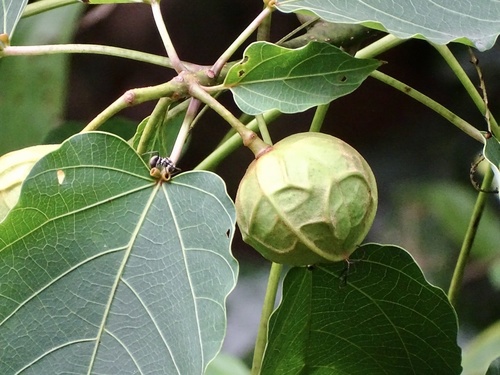
- Look for heart-shaped leaves with two distinct red glands at the base where the stem meets the blade, along with smooth grey bark.
- What to do
- Avoid handling crushed seeds or leaking latex sap without gloves, and never sample wild tree nuts.
Responsible observation
- Spring Blooms: Look for white flowers with red veins blooming as heart-shaped leaves emerge.
- Fruit Identification: Note the round, fleshy green fruits that ripen to dark brown before dropping.
- Avoid Ingestion: Warn children and pet owners that the nut-like seeds within dropped fruit are lethal.
Close Relative (c) Toby Y, some rights reserved (CC BY) · cc-by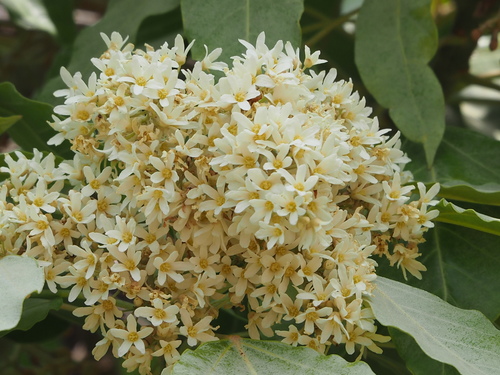
Close Relative no rights reserved, uploaded by 葉子 · cc0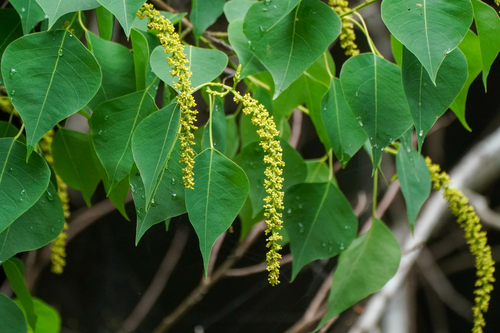
Family Member (c) WATANABE Hitoshi 渡辺仁, some rights reserved (CC BY), uploaded by WATANABE Hitoshi 渡辺仁 · cc-by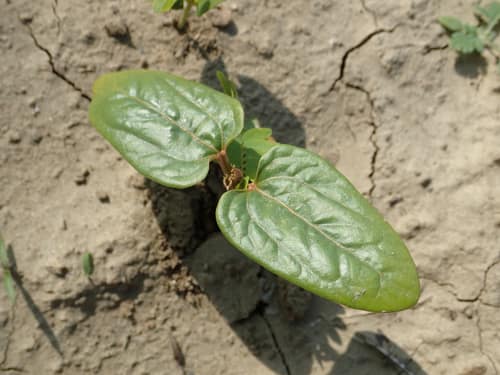
Family Member no rights reserved, uploaded by 葉子 · cc0
Help improve the field guideSomething wrong?
Checking your Fauna account…Report a name, category, or profile issue for review.