Also known as Bull Nettle, Tread-softly, Finger Rot
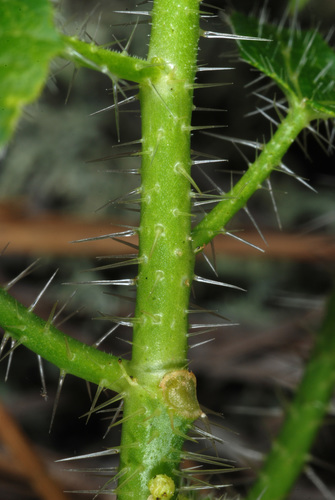
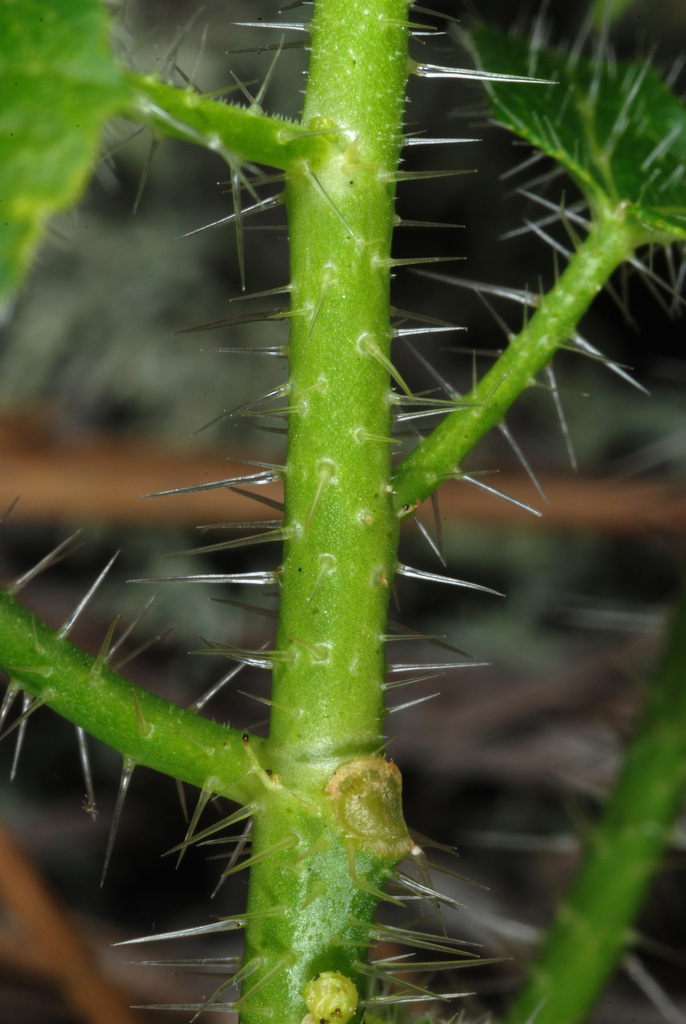
Spurge nettle thrives in the deep sands of southeastern pine barrens, where its large starchy taproot allows it to resprout rapidly after wildfires. The entire plant bristles with stiff, translucent stinging hairs that release an intensely painful cocktail of chemicals when brushed. Despite its fierce defense, the showy white blossoms lack true petals, relying instead on modified sepals to draw butterflies, bees, and other native pollinators.
Not EvaluatedConservation statusIUCN Red List categoriesLCNTVUENCREWEXNot Evaluated — not placed on the risk ladderRed List categories, explained →
Key facts
Diet & prey
Autotrophic (photosynthetic)
Predators
Specialist phytophagous insects
Seed-eating birds
Small rodents
ThreatsHabitat conversion, excessive mowing, and roadside herbicide spraying
HabitatsLongleaf pine sandhills, scrub oak barrens, maritime dunes, dry pastures, and roadsides
Life spanPerennial (several decades via underground tuber)
Size / weightNot available
Classification
OrderMalpighiales
FamilyEuphorbiaceae
GenusCnidoscolus
SpeciesCnidoscolus stimulosus
Range & activity
Range data is not available yet.
Safe observation
Interaction riskLow
Low
Moderate
High
Very high
Why interaction risk is low
Covered in stinging hairs that cause intense burning and itching; avoid touching any part of the plant.
Why it is dangerous
Fragile hollow trichomes break on contact, injecting acetylcholine, serotonin, and histamine into the skin to produce acute burning pain, rash, and long-lasting welts.
How to recognize a risky encounter
Look for deeply lobed, palm-like leaves and stems coated in bristly translucent hairs, topped with bright white five-lobed blossoms.
What to do
Do not touch with bare skin; if stung, apply adhesive tape to extract broken spines and wash the area with soap and water.
Responsible observation
Footwear: Wear closed-toe shoes and long trousers when walking through dry sandy openings in the Southeast.
Observation: Appreciate the fragrant white blooms from a safe distance to avoid brushing against the foliage.

 1 / 7
1 / 7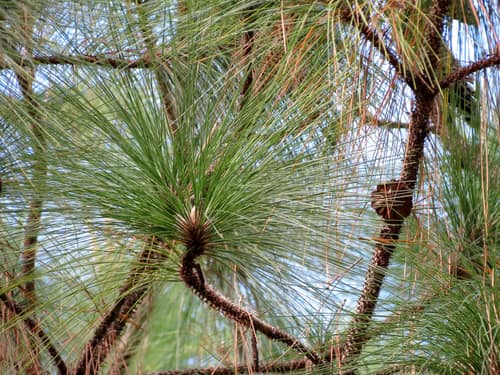
 Image unavailable