Also known as Zigzag Plant, Redbird Flower, Slipper Spurge, Jacob's Ladder
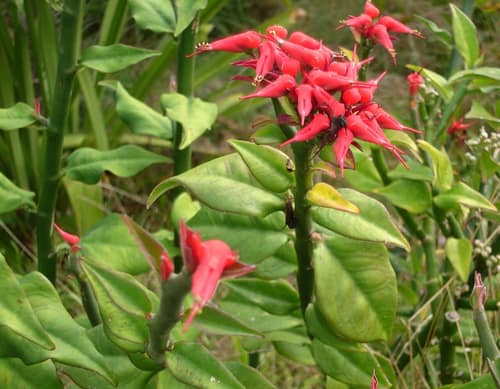
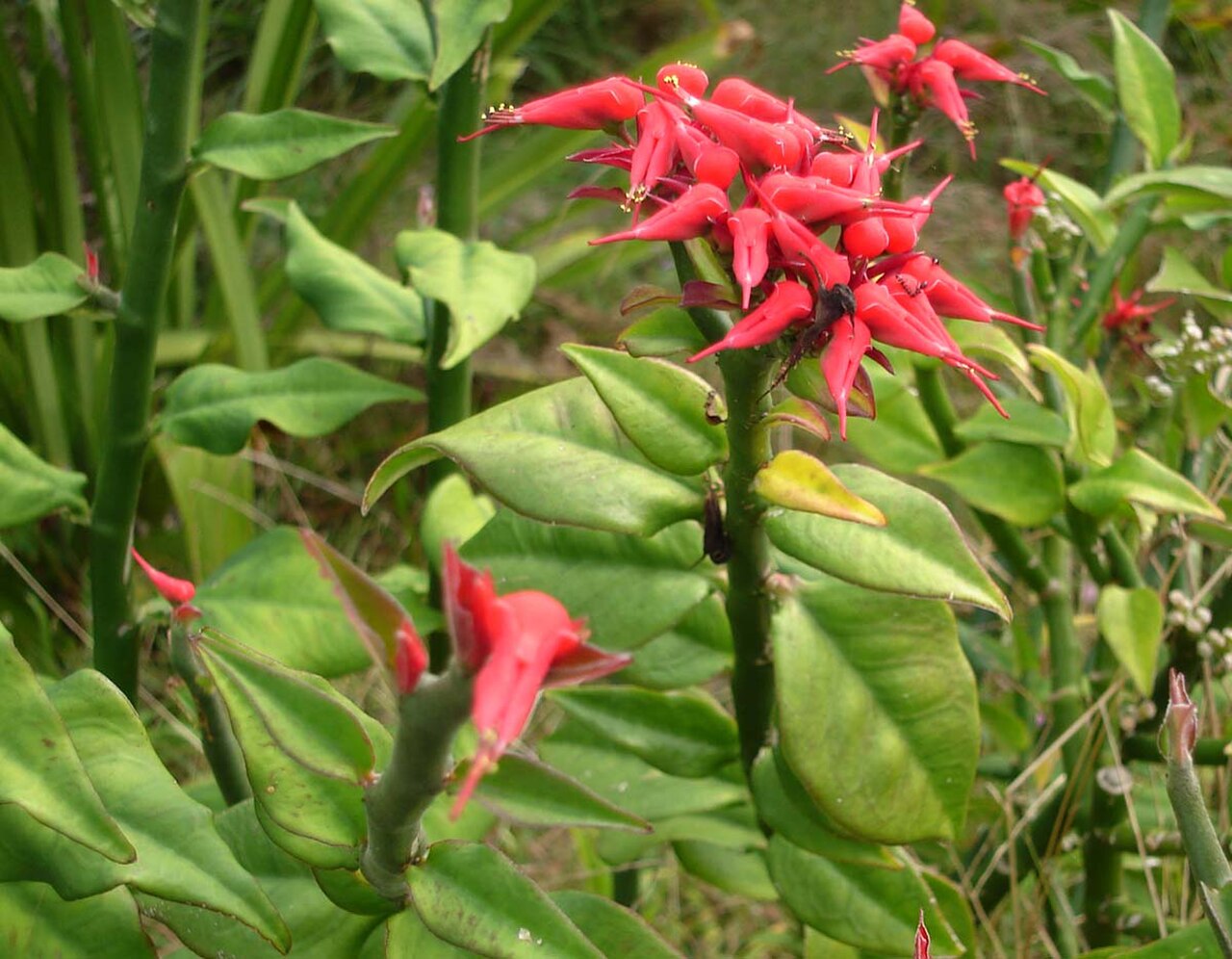
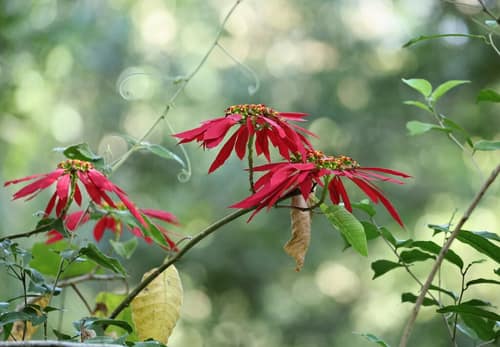
Devil's backbone stands out in subtropical thickets with its distinctive succulent stems that zig and zag sharply between alternate leaf nodes. Bright scarlet, shoe-shaped floral structures called cyathia cluster at the branch tips, tailored specifically for hummingbirds seeking nectar. Broken branches immediately exude a thick, caustic white latex that effectively deters most mammalian herbivores and insect pests.
ThreatsHabitat loss from coastal development and localized land clearing
HabitatsTropical dry forests, scrublands, coastal thickets, and disturbed areas
Life span10–20+ years
Classification
OrderMalpighiales
FamilyEuphorbiaceae
GenusEuphorbia
SpeciesEuphorbia tithymaloides
Range & activity
Range data is not available yet.
Safe observation
Interaction riskHigh
Low
Moderate
High
Very high
Why interaction risk is high
Caustic milky sap irritates skin and eyes and is toxic if ingested; avoid contact.
Why it is dangerous
Damaged tissue exudes white latex containing diterpene esters that cause painful skin blistering, severe eye inflammation, and intense gastrointestinal distress if swallowed.
How to recognize a risky encounter
Recognize the fleshy, emerald-green zigzagging stems and clusters of slipper-shaped scarlet bracts.
What to do
Do not snap stems or touch broken surfaces; wash hands promptly with soap and warm water if sap contacts skin.
Responsible observation
Pruning Safely: Wear protective gloves and eyewear to avoid contact with caustic milky latex.
Pet Safety: Keep indoor and patio containers away from dogs and cats that might chew stems.