
Flower
Flowering Spurge
Euphorbia corollataAlso known as Trampleweed
Flowering spurge brightens prairies, glades, and dry pastures across eastern North America with delicate white, petal-like bracts surrounding tiny central cyathia. A thick, deep taproot allows it to endure severe droughts and frequent fires, regenerating quickly where other vegetation struggles. Like many members of its family, its stems secrete a caustic white latex when damaged to deter grazing herbivores.
Prairie NativeDrought TolerantMilky Sap
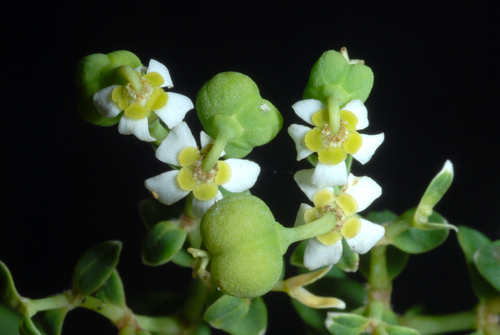
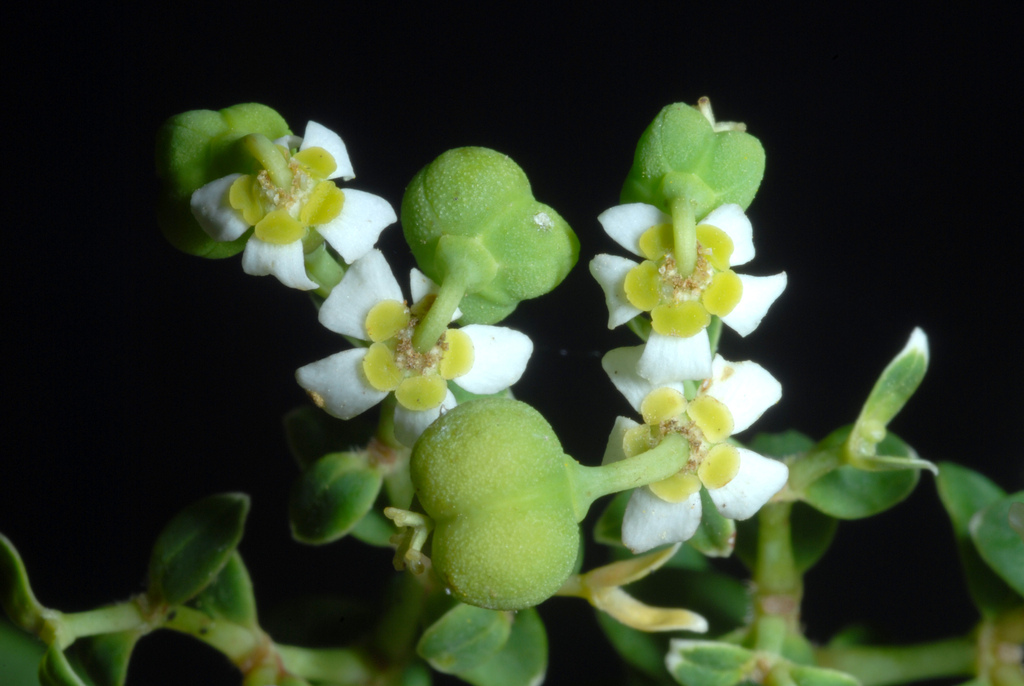
—observations
—countries
—peak records
Least ConcernConservation statusIUCN Red List categoriesLCNTVUENCREWEXLeast ConcernRed List categories, explained →
Diet & preyAutotrophic (Photosynthesis)
Predators
- Spurge Hawkmoth Caterpillars
- Grasshoppers
- Leaf Beetles
ThreatsHabitat destruction, woody brush encroachment, herbicide use
HabitatsPrairies, oak savannas, glades, dry fields, roadsides
Life spanPerennial (10+ years)
Classification
- OrderMalpighiales
- FamilyEuphorbiaceae
- GenusEuphorbia
- SpeciesEuphorbia corollata
Range data is not available yet.
Interaction riskHigh
- Low
- Moderate
- High
- Very high
- Why interaction risk is high
- Milky latex sap causes blistering skin rashes and eye irritation; avoid contact and do not ingest.
- Why it is dangerous
- Contains toxic diterpenes and phorbol esters in its milky latex that cause severe contact dermatitis and painful mucosal irritation.
- How to recognize a risky encounter
- Look for erect green stems exuding milky white sap when snapped, topped by whorled leaves and tiny green blooms enclosed by five white bracts.
- What to do
- Observe from a short distance without breaking leaves or stems, and wear protective gloves if removing plants.
Responsible observation
- Wear Gloves: Handle stems carefully as milky sap irritates skin and eyes.
- Look for Bracts: Observe the five white petal-like structures surrounding the tiny central true flowers.
- Observe Pollinators: Watch small native bees, wasps, and flies foraging on exposed nectar glands.
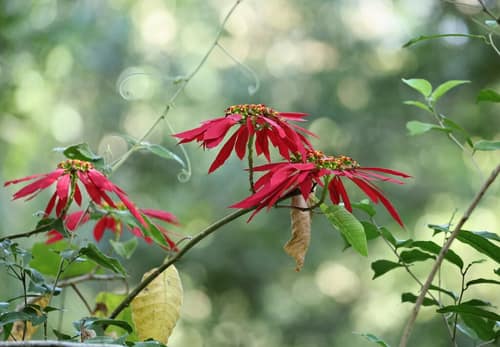
Cultivated Kin (c) nmoorhatch, some rights reserved (CC BY), uploaded by nmoorhatch · cc-by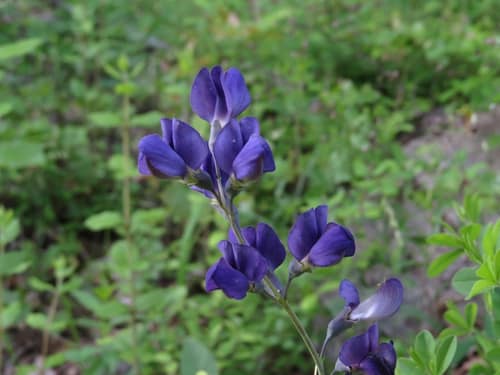
Prairie Neighbor (c) Evan M. Raskin, some rights reserved (CC BY), uploaded by Evan M. Raskin · cc-by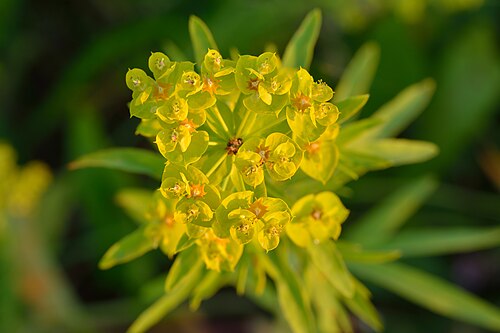
Invasive Relative Ivar Leidus / CC BY-SA 3.0 · cc-by-sa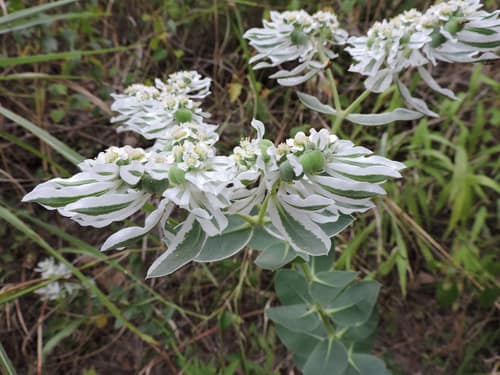
Close Relative (c) Sam Kieschnick, some rights reserved (CC BY), uploaded by Sam Kieschnick · cc-by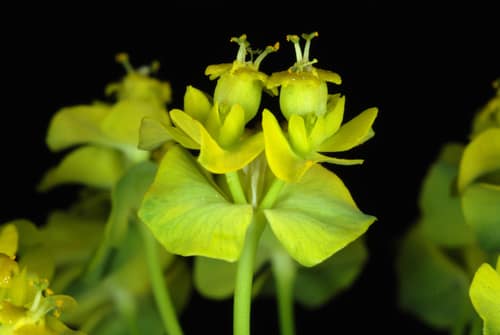
Close Relative (c) Douglas Goldman, some rights reserved (CC BY-SA), uploaded by Douglas Goldman · cc-by-sa
Help improve the field guideSomething wrong?
Checking your Fauna account…Report a name, category, or profile issue for review.