
Plant · GBIF taxon 3067891
Prostrate Sandmat
Euphorbia prostrataAlso known as Prostrate Spurge, Groundfig Spurge
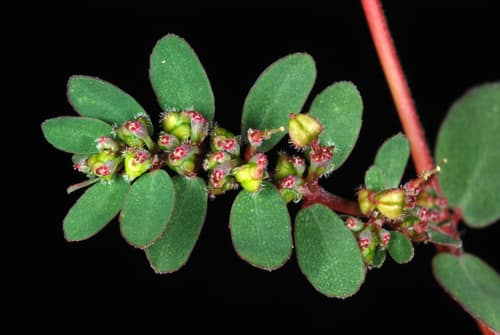
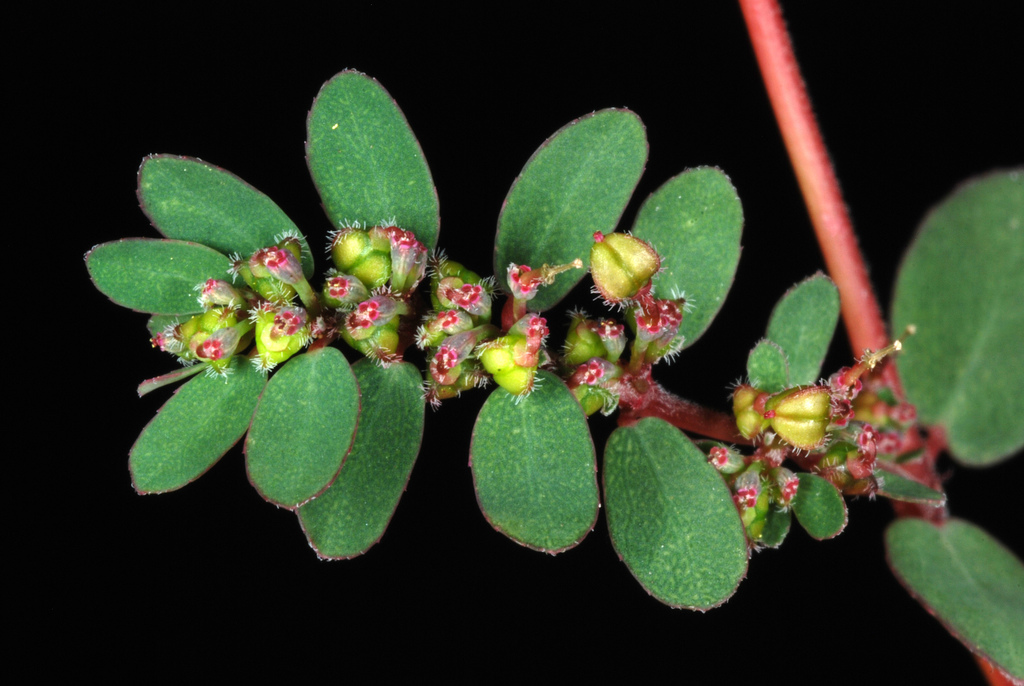
Prostrate sandmat carpets compacted soil and pavement cracks with dense, radiating mats of wiry pinkish stems and tiny oval leaves. Minute cuplike cyathia yield sharply angled, three-lobed capsules with hairs clustered along their ridges that rupture to disperse seed. Damaged tissues instantly exude a sticky white latex loaded with chemical compounds that deter grazing herbivores and insect pests.
GroundcoverDrought-TolerantRuderal
—observations
—countries
—peak records
Least ConcernConservation statusIUCN Red List categoriesLCNTVUENCREWEXLeast ConcernRed List categories, explained →
Diet & prey
- Autotrophic (photosynthetic)
Predators
- Spurge flea beetles
- Aphids
- Seed-harvesting ants
ThreatsHerbicides, mechanical tilling, hand-pulling
HabitatsSidewalk cracks, gravel roadsides, agricultural fields, waste ground, garden beds
Life spanAnnual (3–8 months)
Size / weightNot available
Classification
- OrderMalpighiales
- FamilyEuphorbiaceae
- GenusEuphorbia
- SpeciesEuphorbia prostrata
Range data is not available yet.
Interaction riskHigh
- Low
- Moderate
- High
- Very high
- Why interaction risk is high
- Milky sap irritates skin and eyes and is toxic if eaten; wear gloves when weeding.
- Why it is dangerous
- Exudes an acrid milky latex containing diterpene esters that trigger painful contact dermatitis, blisters, and severe ocular inflammation.
- How to recognize a risky encounter
- Look for flat, radiating mats hugging the ground with tiny paired leaves that bleed white sap instantly when stems break.
- What to do
- Wear protective gloves during removal, avoid rubbing your eyes, and wash exposed skin thoroughly with soap and water.
Responsible observation
- Protective Gear: Wear gloves when hand-pulling to prevent the milky sap from contacting bare skin.
- Identification: Use a hand lens to examine the fruit capsules, which feature hairs confined along the angles.
- Pet Safety: Keep dogs and cats from chewing on mats growing in sidewalk edges and lawn margins.
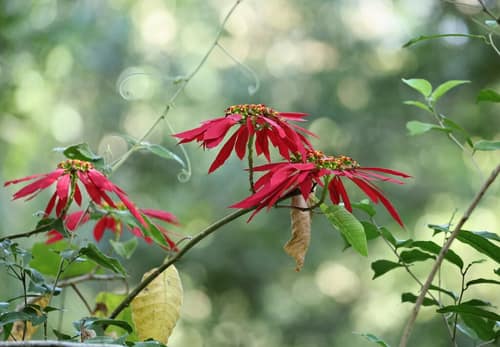
Same Genus (c) nmoorhatch, some rights reserved (CC BY), uploaded by nmoorhatch · cc-by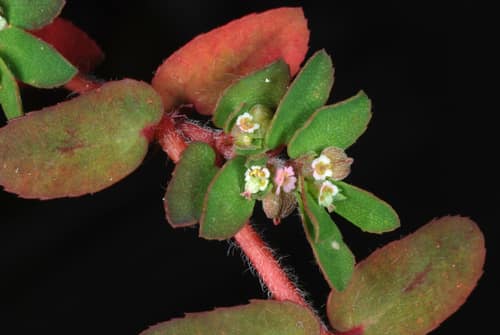
Close Relative (c) Douglas Goldman, some rights reserved (CC BY-SA), uploaded by Douglas Goldman · cc-by-sa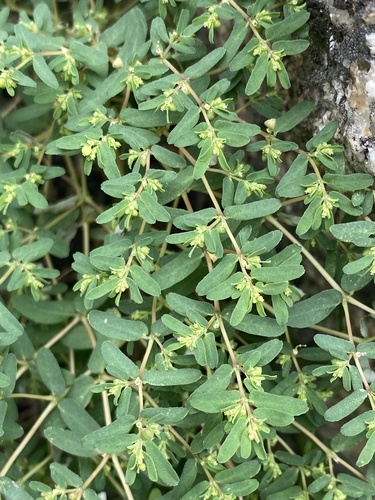
Close Relative (c) Asher P Higgins, some rights reserved (CC BY), uploaded by Asher P Higgins · cc-by
Help improve the field guideSomething wrong?
Checking your Fauna account…Report a name, category, or profile issue for review.