
Plant · GBIF taxon 3067098
African Milk Tree
Euphorbia trigonaAlso known as Cathedral Cactus, Abyssinian Euphorbia, High Tangled Cactus
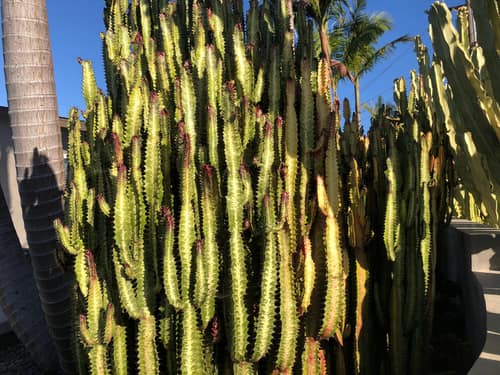
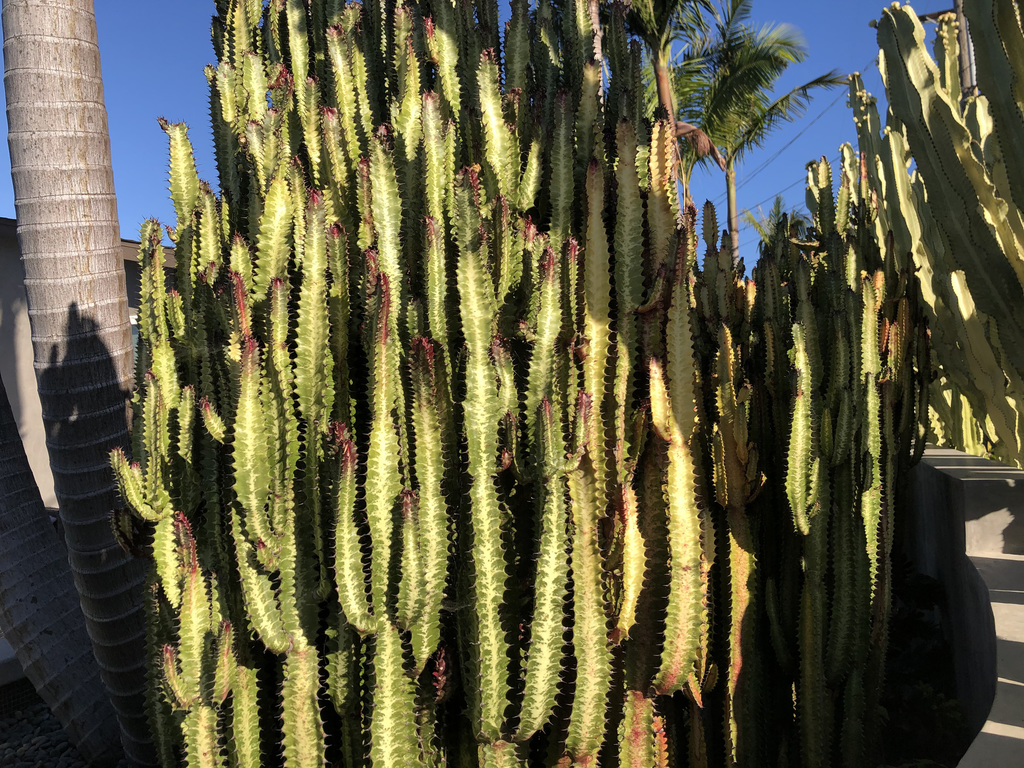
African milk trees feature striking three-sided succulent stems adorned with pair-wise thorns and drop-shaped green leaves. Native to dry scrublands of Central Africa, these fast-growing plants store water in their fleshy ribs to endure extended droughts. When damaged, stems exude a caustic milky latex that deters herbivores and protects tissues from infection.
SucculentToxic SapHouseplant
—observations
—countries
—peak records
Data DeficientConservation statusIUCN Red List categoriesLCNTVUENCREWEXData Deficient — not placed on the risk ladderRed List categories, explained →
Diet & prey
- Autotrophic (Photosynthetic)
Predators
- Mealybugs
- Scale insects
ThreatsHabitat loss in native range and localized over-harvesting
HabitatsDry tropical scrublands, rocky hillsides, and cultivated gardens
Life span20–60 years
Size / weightNot available
Classification
- OrderMalpighiales
- FamilyEuphorbiaceae
- GenusEuphorbia
- SpeciesEuphorbia trigona
Range data is not available yet.
Interaction riskHigh
- Low
- Moderate
- High
- Very high
- Why interaction risk is high
- Milky latex sap causes severe skin irritation and is toxic if ingested; handle with gloves and eye protection.
- Why it is dangerous
- Produces a toxic white latex sap containing diterpene esters that irritate skin, inflame eyes, and cause severe distress if ingested.
- How to recognize a risky encounter
- Look for erect, three-sided green stems lined with short pairs of thorns and small, transient tear-shaped leaves.
- What to do
- Wear thick gloves and eye protection when repotting or pruning, and thoroughly wash any equipment exposed to the sap.
Responsible observation
- Pruning Safely: Wear thick gloves and eye protection when cutting branches to prevent skin contact with toxic latex.
- Indoor Placement: Keep pots in bright, indirect light and well out of reach of inquisitive pets and children.
- Watering Care: Allow the soil to dry out completely between waterings to prevent root rot.
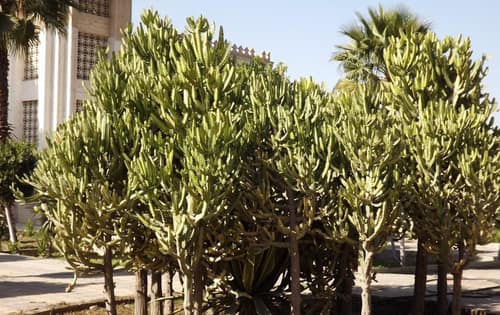
Close Relative (c) Hatem Moushir, some rights reserved (CC BY-SA) · cc-by-sa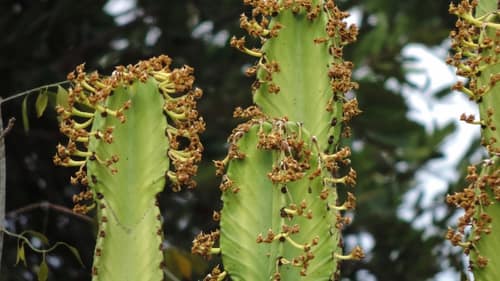
Close Relative (c) i_c_riddell, some rights reserved (CC BY), uploaded by i_c_riddell · cc-by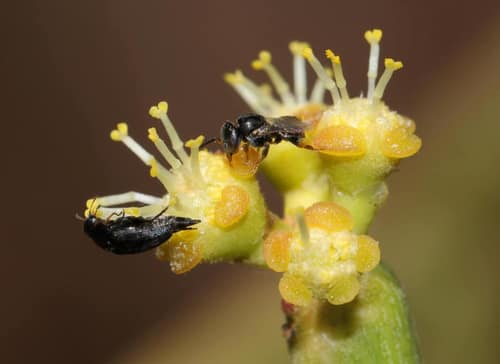
Close Relative (c) Alan Manson, some rights reserved (CC BY), uploaded by Alan Manson · cc-by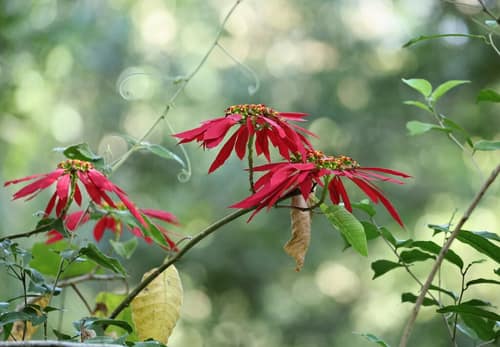
Close Relative (c) nmoorhatch, some rights reserved (CC BY), uploaded by nmoorhatch · cc-by
Help improve the field guideSomething wrong?
Checking your Fauna account…Report a name, category, or profile issue for review.