
Plant
Common Three-seeded Mercury
Acalypha rhomboideaAlso known as Rhombic Three-Seeded Mercury, Copperleaf, Rhomboid Mercury, Diamond Threeseed Mercury
Common three-seeded mercury thrives in shaded woods, garden beds, and moist disturbed soils across eastern North America. This modest annual produces small greenish flowers tucked inside distinctive, deeply lobed bracts that resemble tiny cups along the stem. As autumn approaches, the diamond-shaped foliage often shifts from bright green to striking shades of copper and bronze.
AnnualNativeHerbaceous
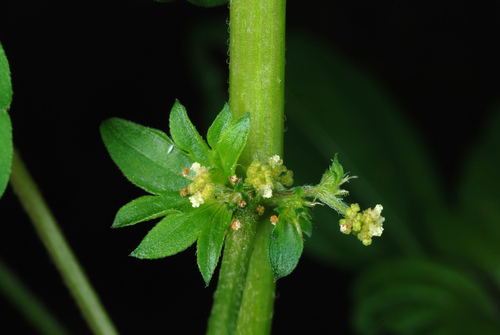
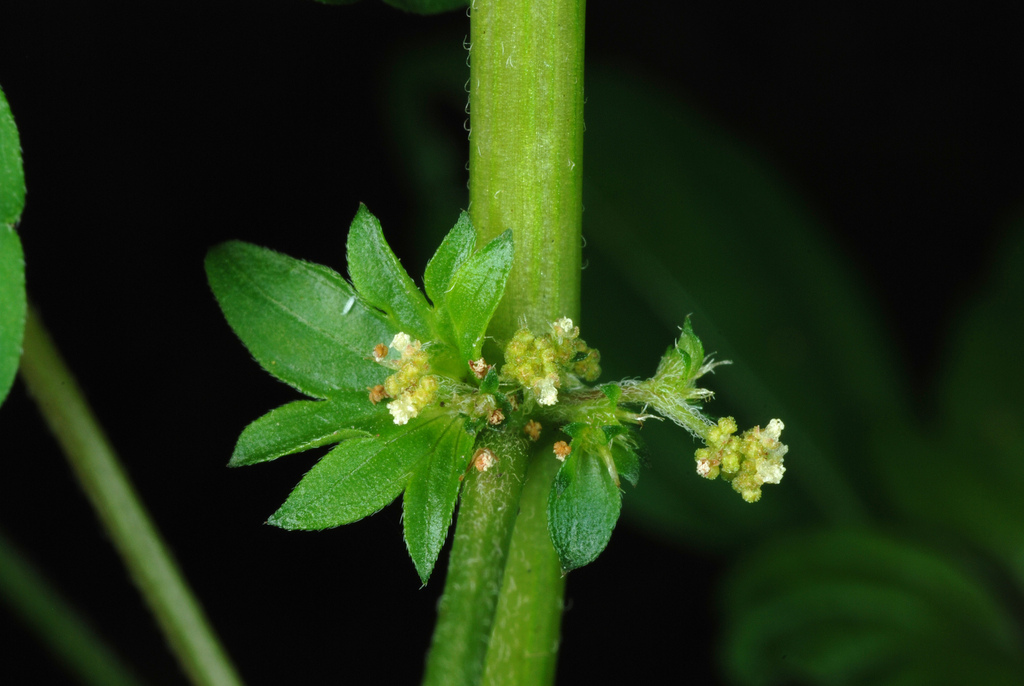
—observations
—countries
—peak records
Least ConcernConservation statusIUCN Red List categoriesLCNTVUENCREWEXLeast ConcernRed List categories, explained →
Diet & preyAutotrophic (Photosynthetic)
Predators
- Flea beetles
- Aphids
- White-tailed deer
ThreatsMinimal threats due to widespread adaptiveness in human-altered landscapes
HabitatsDisturbed areas, woodland borders, stream banks, agricultural fields, suburban gardens
Life spanAnnual (1 year)
Classification
- OrderMalpighiales
- FamilyEuphorbiaceae
- GenusAcalypha
- SpeciesAcalypha rhomboidea
Range data is not available yet.
Interaction riskLow
- Low
- Moderate
- High
- Very high
- Why interaction risk is low
- Safe to observe at a normal distance.
Responsible observation
- Leaf Shape: Look for diamond-shaped leaves with distinct stalks and coarsely toothed edges.
- Inspect Bracts: Examine the leaf axils for fringed, cup-like bracts surrounding tiny flower clusters.
- Autumn Color: Watch for the foliage to transform to bronze or copper in late summer.
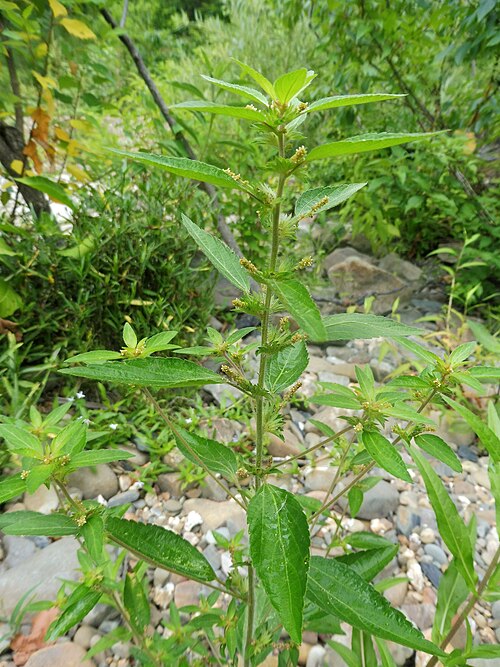
Close Relative Mason Brock (Masebrock) / Public domain · cc0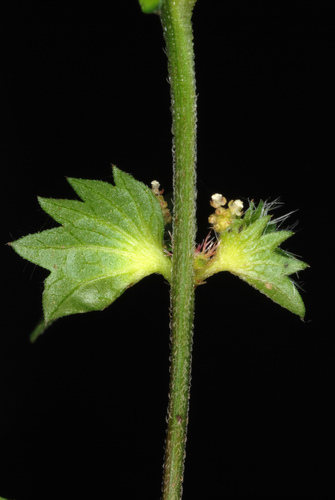
Close Relative (c) Douglas Goldman, some rights reserved (CC BY-SA), uploaded by Douglas Goldman · cc-by-sa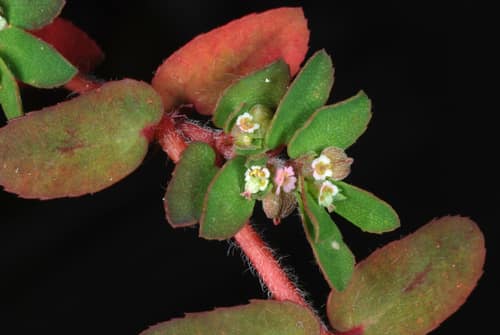
Family Member (c) Douglas Goldman, some rights reserved (CC BY-SA), uploaded by Douglas Goldman · cc-by-sa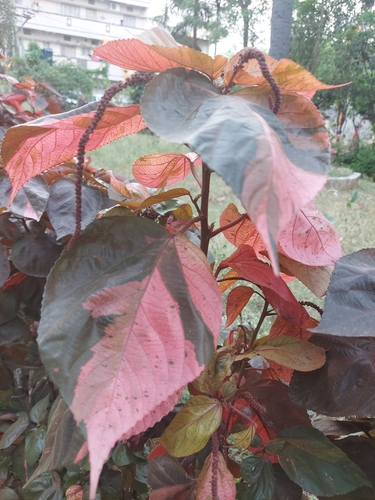
Genus Relative (c) Raja Sekhar Chimirala, some rights reserved (CC BY) · cc-by
Help improve the field guideSomething wrong?
Checking your Fauna account…Report a name, category, or profile issue for review.