
Plant
Chenille-plant
Acalypha hispidaAlso known as Red-hot Cat's Tail, Fox Tail, Kitten's Tail, Philippine Medusa
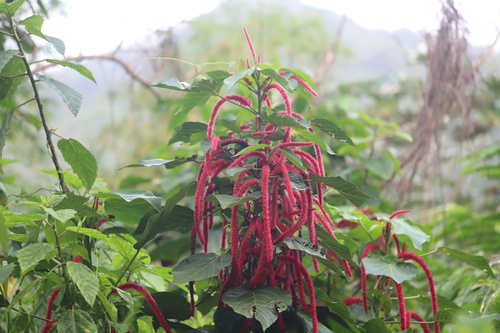
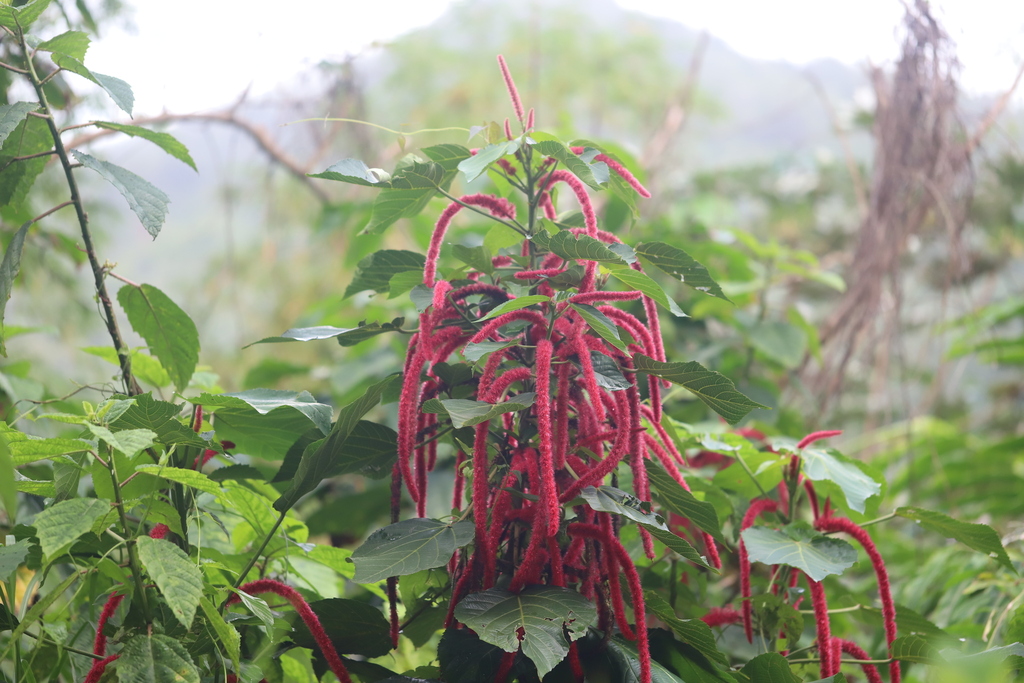
Chenille-plant produces spectacular drooping crimson spikes of densely clustered pistillate flowers that resemble velvety tails, reaching lengths up to 50 centimeters. As a dioecious species, nearly all plants grown and encountered in landscapes are female clones prized for these vibrant inflorescences. In warm tropical understories, its large, serrated ovate leaves gather dappled light, supporting year-round blooming cycles.
TropicalFlowering ShrubEvergreen
—observations
—countries
—peak records
Not EvaluatedConservation statusIUCN Red List categoriesLCNTVUENCREWEXNot Evaluated — not placed on the risk ladderRed List categories, explained →
Diet & preyAutotrophic (photosynthetic)
Predators
- Spider mites
- Whiteflies
- Mealybugs
ThreatsHabitat clearing, invasive pathogens, frost damage
HabitatsTropical rainforest edges, moist thickets, disturbed secondary forest
Life span10–25 years
Classification
- OrderMalpighiales
- FamilyEuphorbiaceae
- GenusAcalypha
- SpeciesAcalypha hispida
Range data is not available yet.
Interaction riskHigh
- Low
- Moderate
- High
- Very high
- Why interaction risk is high
- Sap irritates skin and ingestion causes gastrointestinal upset; wear gloves when handling broken stems.
- Why it is dangerous
- Milky sap contains diterpene esters and saponins that trigger painful contact dermatitis, while ingestion causes nausea, vomiting, and diarrhea.
- How to recognize a risky encounter
- Look for long, fuzzy crimson catkins hanging pendulously beneath oval, saw-toothed green leaves.
- What to do
- Avoid snapping stems with bare hands; rinse immediately with soap and water if sap contacts skin, and keep pets away.
Responsible observation
- Pruning Precaution: Wear protective gloves to keep milky stem sap off bare skin.
- Sunlight Placement: Provide bright, indirect sunlight to encourage continuous flowering.
- Pest Vigilance: Inspect leaf undersides regularly during dry periods for spider mite webbing.
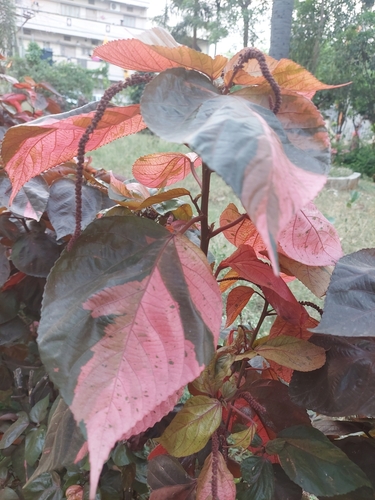
Close Relative (c) Raja Sekhar Chimirala, some rights reserved (CC BY) · cc-by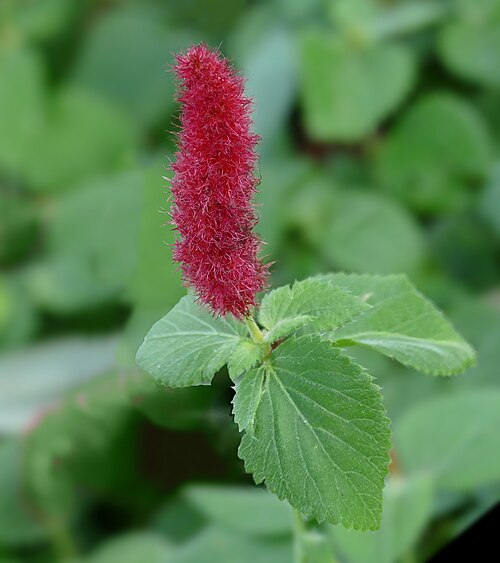
Close Relative Jim Evans / CC BY-SA 4.0 · cc-by-sa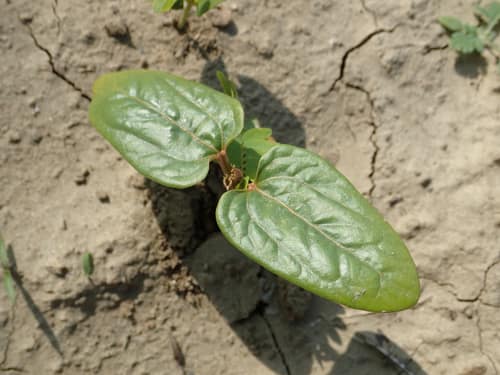
Same Family no rights reserved, uploaded by 葉子 · cc0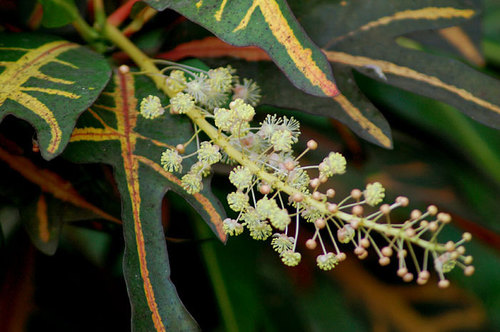
Same Family (c) Jayesh Patil, some rights reserved (CC BY) · cc-by
Help improve the field guideSomething wrong?
Checking your Fauna account…Report a name, category, or profile issue for review.