
Plant · GBIF taxon 3054181
Moringa Tree
Moringa oleiferaAlso known as Drumstick Tree, Horseradish Tree, Ben Oil Tree, Malunggay
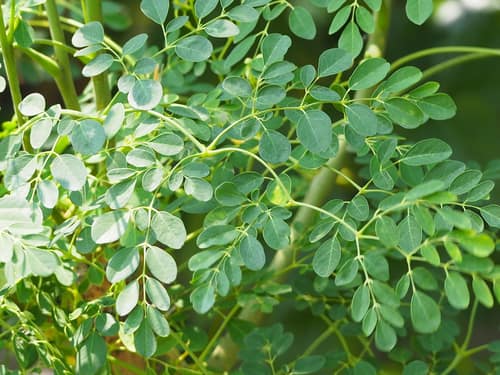
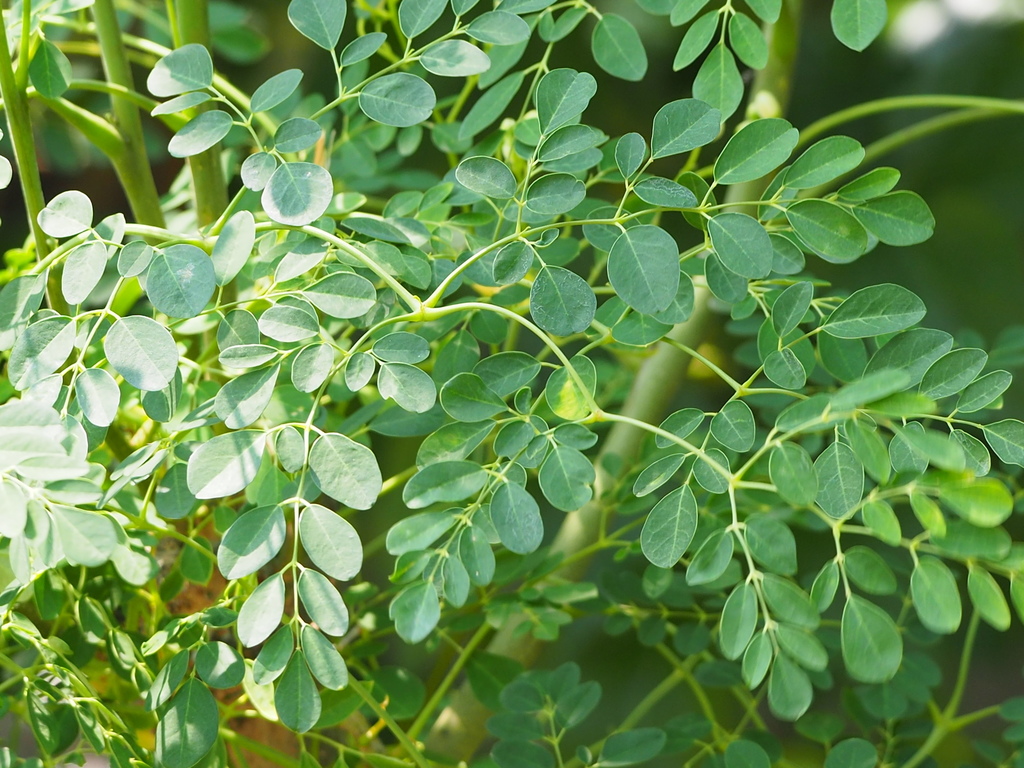
Moringa trees flourish in arid tropical climates, producing delicate multi-pinnate foliage and clusters of yellowish-white fragrant blossoms throughout the warm seasons. Deep taproots allow these slender trees to reach subterranean moisture during prolonged dry spells, supporting rapid growth even in nutrient-poor soils. Mature trees form long, hanging seed capsules that dry and split open to release three-angled winged seeds carried by the wind.
Drought-TolerantFast-GrowingFlowering
—observations
—countries
—peak records
Least ConcernConservation statusIUCN Red List categoriesLCNTVUENCREWEXLeast ConcernRed List categories, explained →
Diet & prey
- Autotrophic (Photosynthetic)
Predators
- Leafcutter Ants
- Caterpillars
- Browsing Livestock
ThreatsSevere winter frost, prolonged waterlogging, root rot pathogens
HabitatsDry tropical forests, arid scrublands, agricultural borders, coastal plains
Life span15–20 years
Size / weightNot available
Classification
- OrderBrassicales
- FamilyMoringaceae
- GenusMoringa
- SpeciesMoringa oleifera
Range data is not available yet.
Interaction riskLow
- Low
- Moderate
- High
- Very high
- Why interaction risk is low
- Safe to observe at a normal distance.
Responsible observation
- Identification: Look for long, hanging seed capsules paired with delicate, twice-divided leaves.
- Garden Placement: Plant in deep, well-draining soil to accommodate the long taproot.
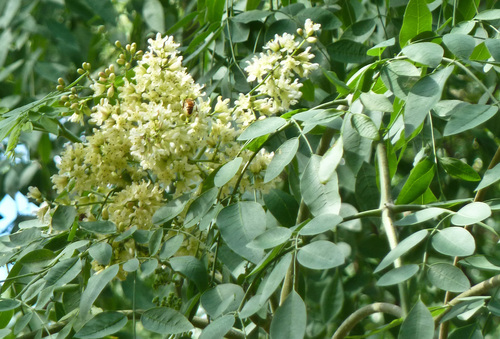
Close Relative (c) Wendy Cutler, some rights reserved (CC BY) · cc-by Image unavailable
Close Relative 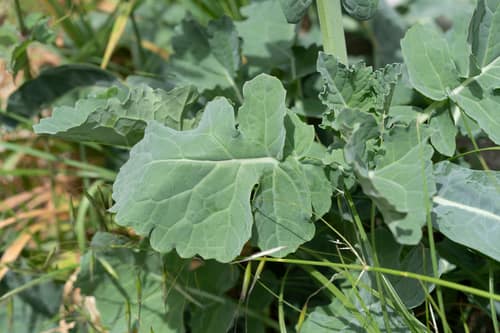
Order Relative (c) Eleftherios Katsillis, some rights reserved (CC BY), uploaded by Eleftherios Katsillis · cc-by
Help improve the field guideSomething wrong?
Checking your Fauna account…Report a name, category, or profile issue for review.