
Plant · GBIF taxon 3053522
Hoary Alyssum
Berteroa incanaAlso known as False Hoary Madwort, Hoary Berteroa, Hoary Alison
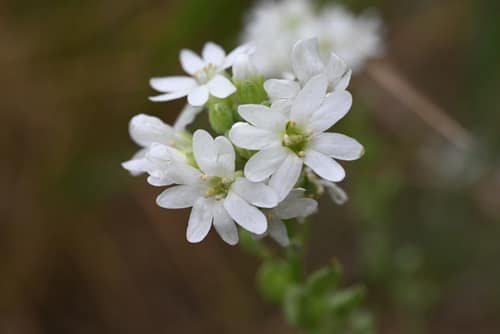
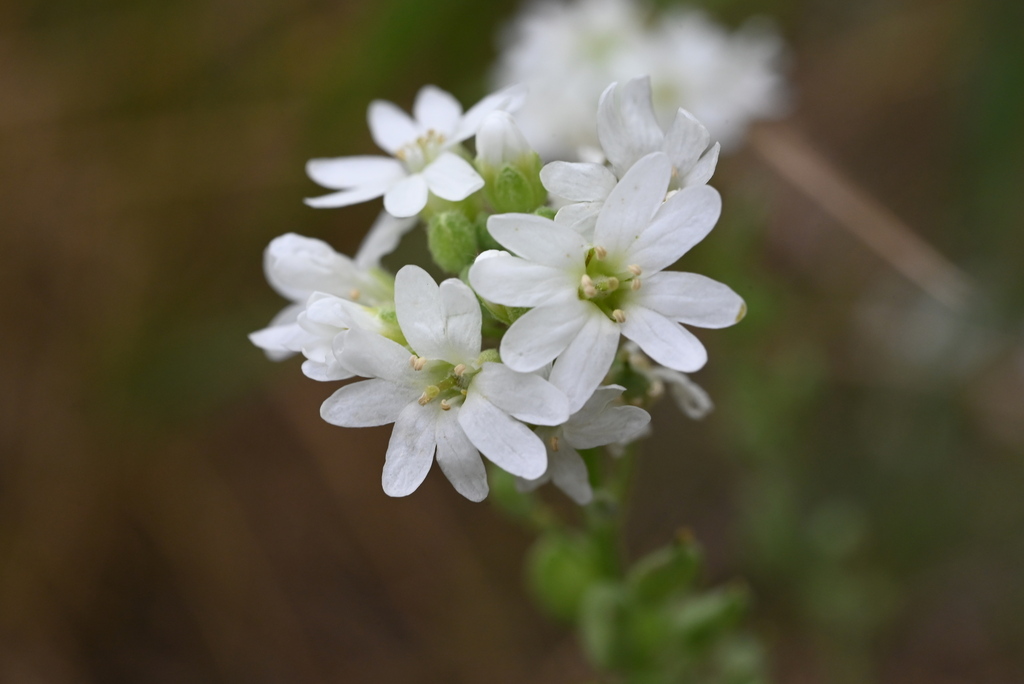
Hoary alyssum blankets disturbed pastures, roadsides, and dry fields with clusters of small, deeply cleft white flowers borne atop greyish stems. Covered in dense, star-shaped hairs that give the foliage a frosted, hoary texture, it thrives in dry, sandy soils where native grass cover is sparse. While relatively unpalatable to most livestock, it retains potent toxins when harvested into dry hay, posing serious health risks to horses.
InvasiveWildflowerWhite Bloom
 1 / 7
1 / 7—observations
—countries
—peak records
Not EvaluatedConservation statusIUCN Red List categoriesLCNTVUENCREWEXNot Evaluated — not placed on the risk ladderRed List categories, explained →
Diet & prey
- Autotrophic (Photosynthetic)
Predators
- Flea Beetles
- Grasshoppers
ThreatsHerbicide treatments, mechanical removal, competitive native planting
HabitatsPastures, roadsides, dry grasslands, disturbed sandy soil
Life spanAnnual to short-lived perennial
Size / weightNot available
Classification
- OrderBrassicales
- FamilyBrassicaceae
- GenusBerteroa
- SpeciesBerteroa incana
Range data is not available yet.
Interaction riskHigh
- Low
- Moderate
- High
- Very high
- Why interaction risk is high
- Toxic to horses when ingested in pasture or hay; inspect forage carefully.
- Why it is dangerous
- Ingestion of fresh plants or contaminated hay causes toxicity in horses, inducing lower leg swelling, laminitis, high fevers, and severe stiffness.
- How to recognize a risky encounter
- Recognize the erect stems covered in fine star-shaped hairs, white four-petaled flowers with deeply notched petals, and flattened oval seed pods.
- What to do
- Keep horses away from infested pastures and discard baled hay containing this plant; wear gloves when pulling weeds.
Responsible observation
- Forage Inspection: Examine baled hay closely for greyish stems and small oval seed pods to protect horses.
- Manual Removal: Pull small patches by hand before seeds mature, taking care to extract the taproot.
- Soil Cover: Maintain dense perennial grass cover to prevent windblown seeds from colonizing bare earth.
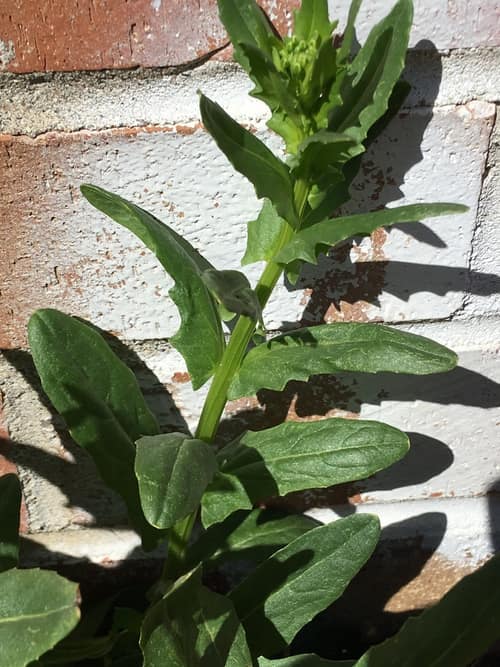
Co-Occurring Weed (c) Rose Zappa, some rights reserved (CC BY), uploaded by Rose Zappa · cc-by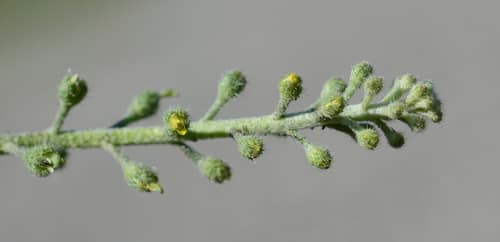
Close Relative (c) Alison Northup, some rights reserved (CC BY), uploaded by Alison Northup · cc-by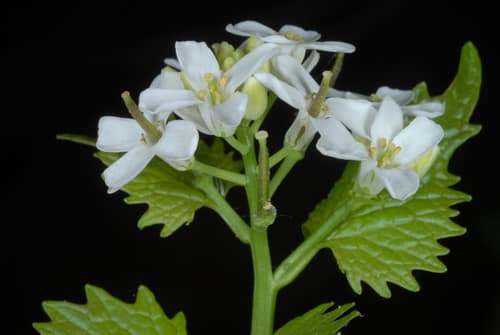
Mustard Family Relative (c) Douglas Goldman, some rights reserved (CC BY-SA), uploaded by Douglas Goldman · cc-by-sa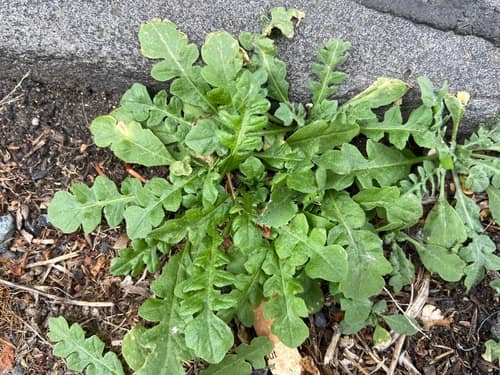
Mustard Family Relative (c) Joss Carr, some rights reserved (CC BY), uploaded by Joss Carr · cc-by
Help improve the field guideSomething wrong?
Checking your Fauna account…Report a name, category, or profile issue for review.