
Plant
Cabbage, Broccoli, and Allies
Brassica oleraceaAlso known as Wild Cabbage, Colewort
Wild cabbage clings to windswept maritime cliffs of western and southern Europe, using thick, glaucous leaves coated in a waxy bloom to conserve moisture against salty coastal winds. Centuries of selective breeding have transformed this single species into a remarkable spectrum of agricultural crops, including kale, broccoli, cauliflower, Brussels sprouts, and kohlrabi. In its second growing season, the plant bolts upright, producing open sprays of pale yellow, four-petaled flowers that attract a wide variety of early spring pollinators.
FloweringCultivatedCoastal
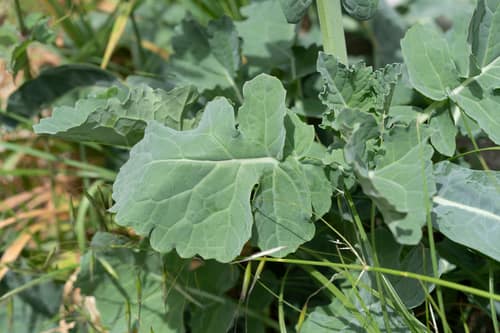
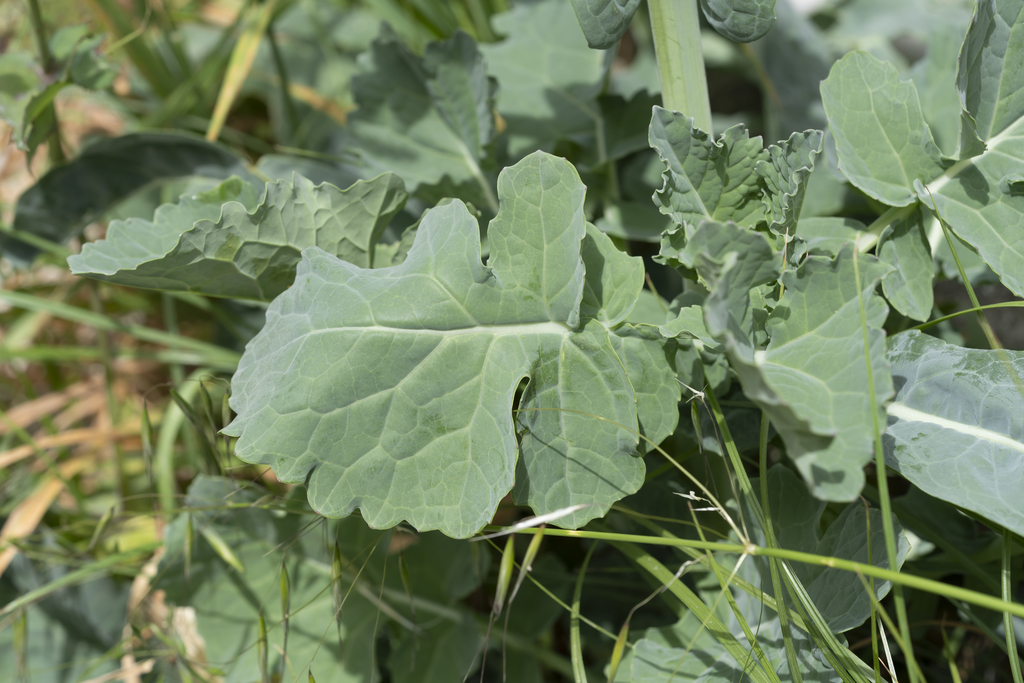
—observations
—countries
—peak records
Data DeficientConservation statusIUCN Red List categoriesLCNTVUENCREWEXData Deficient — not placed on the risk ladderRed List categories, explained →
Diet & preyAutotrophic (photosynthetic)
Predators
- Cabbage White Caterpillar
- Diamondback Moth
- Cabbage Aphid
ThreatsCoastal erosion, localized habitat loss, and competition from invasive weeds
HabitatsCoastal limestone sea cliffs, rocky shores, agricultural fields, and disturbed ground
Life spanBiennial (occasionally a short-lived perennial in wild coastal environments)
Classification
- OrderBrassicales
- FamilyBrassicaceae
- GenusBrassica
- SpeciesBrassica oleracea
Range data is not available yet.
Interaction riskLow
- Low
- Moderate
- High
- Very high
- Why interaction risk is low
- Safe to observe at a normal distance.
Responsible observation
- Foliage Inspection: Look closely at the undersides of outer leaves to find the conical yellow eggs of pierid butterflies.
- Wild Cliff Etiquette: When viewing native maritime populations, keep to established cliff paths to protect unstable chalk edges.
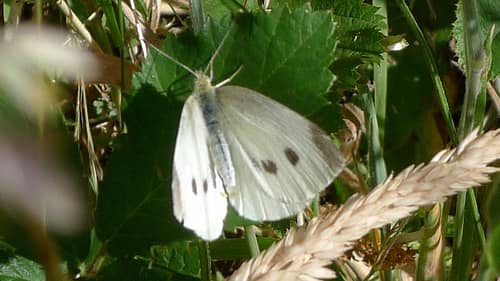
Herbivore John Tann from Sydney, Australia / CC BY 2.0 · cc-by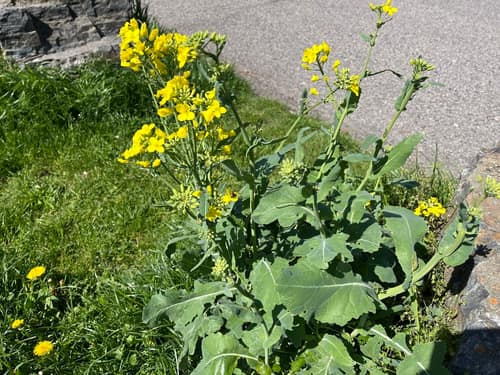
Hybrid Kin (c) Pavel Kacl, some rights reserved (CC BY), uploaded by Pavel Kacl · cc-by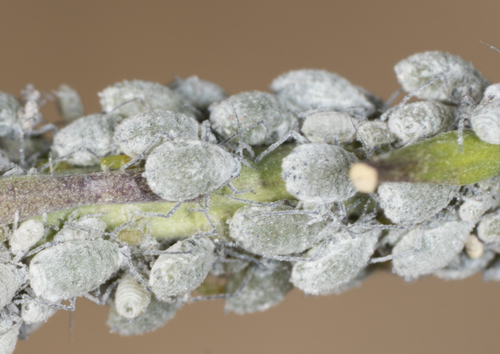
Parasite no rights reserved, uploaded by Jesse Rorabaugh · cc0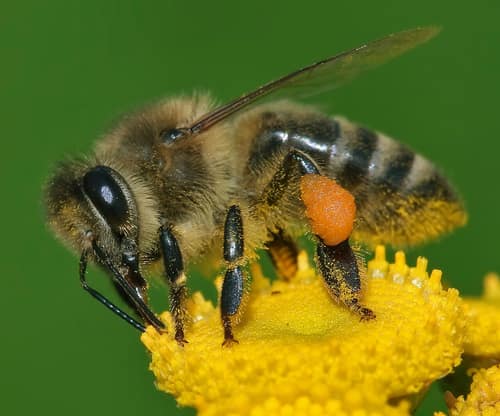
Pollinator Andreas Trepte / CC BY-SA 2.5 · cc-by-sa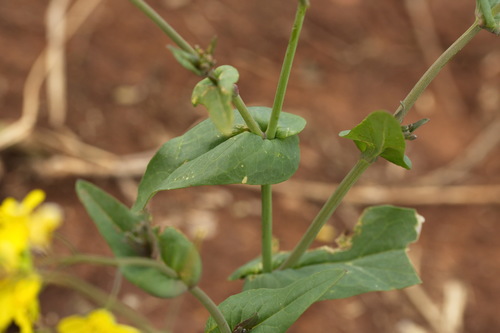
Close Relative (c) Вячеслав Юсупов, some rights reserved (CC BY), uploaded by Вячеслав Юсупов · cc-by
Help improve the field guideSomething wrong?
Checking your Fauna account…Report a name, category, or profile issue for review.