
Plant · GBIF taxon 3040983
Wild Radish
Raphanus raphanistrumAlso known as White Charlock, Jointed Charlock, Runaway Radish, Jointed Radish
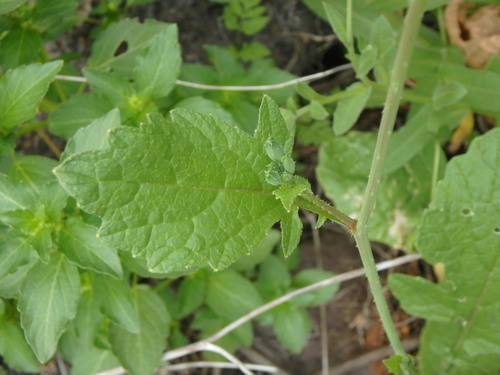
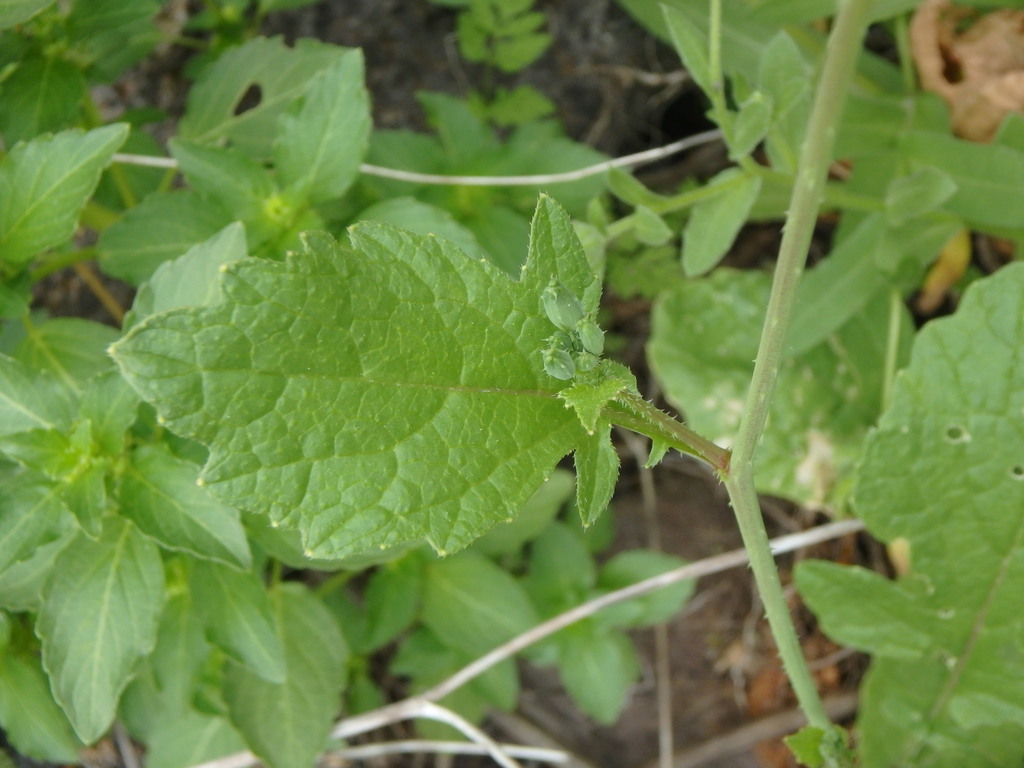
Wild radish colonizes disturbed soils, roadsides, and cropland margins with vigorous vegetative growth supported by a deep, tough taproot. Its four-petaled flowers vary from white to pale yellow or light lilac, each petal marked by intricate violet or purple veins that guide pollinating insects. After flowering, the plant produces distinctive ribbed seed pods that constrict between seeds and break into hardened segments capable of remaining viable in the soil for decades.
AnnualWildflowerInvasive
—observations
—countries
—peak records
Least ConcernConservation statusIUCN Red List categoriesLCNTVUENCREWEXLeast ConcernRed List categories, explained →
Diet & prey
- Photoautotroph
Predators
- Cabbage White Caterpillar
- Flea Beetle
- Turnip Aphid
ThreatsHerbicide treatments, targeted agricultural cultivation
HabitatsAgricultural fields, roadsides, disturbed soils, coastal dunes
Life spanAnnual or biennial
Classification
- OrderBrassicales
- FamilyBrassicaceae
- GenusRaphanus
- SpeciesRaphanus raphanistrum
Range data is not available yet.
Interaction riskLow
- Low
- Moderate
- High
- Very high
- Why interaction risk is low
- Safe to observe at a normal distance.
Responsible observation
- Seed Pod Check: Look closely at mature pods to spot the necklace-like constrictions between seeds, a signature distinguishing it from wild mustard.
- Flower Inspection: Observe the petals closely in sunlight to view the dark, branching vein patterns that serve as nectar guides.
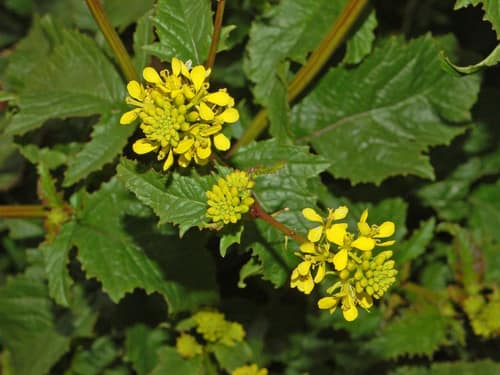
Look-alike Hectonichus / CC BY-SA 3.0 · cc-by-sa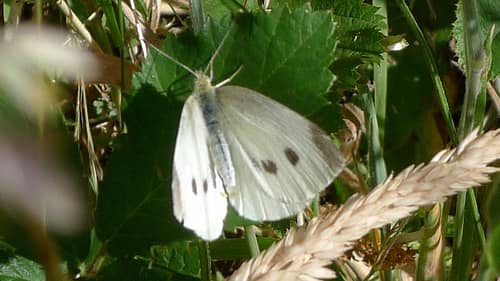
Herbivore John Tann from Sydney, Australia / CC BY 2.0 · cc-by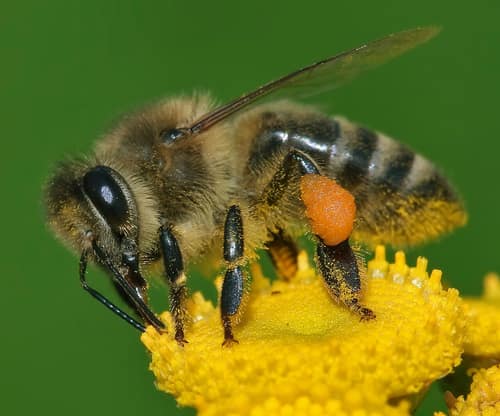
Pollinator Andreas Trepte / CC BY-SA 2.5 · cc-by-sa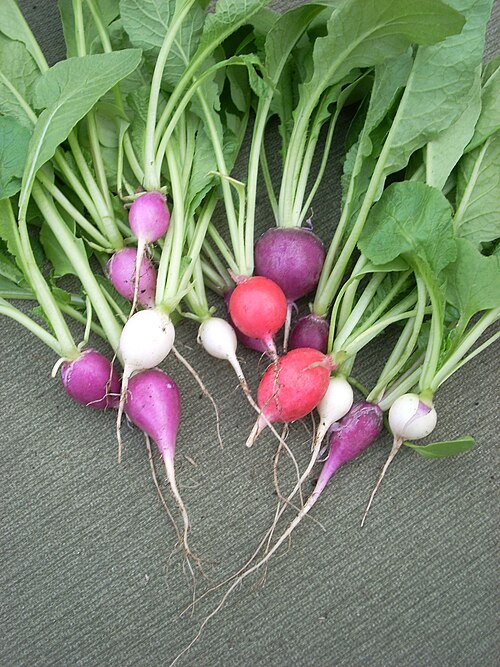
Close Relative Self, en:User:Jengod / Public domain · cc0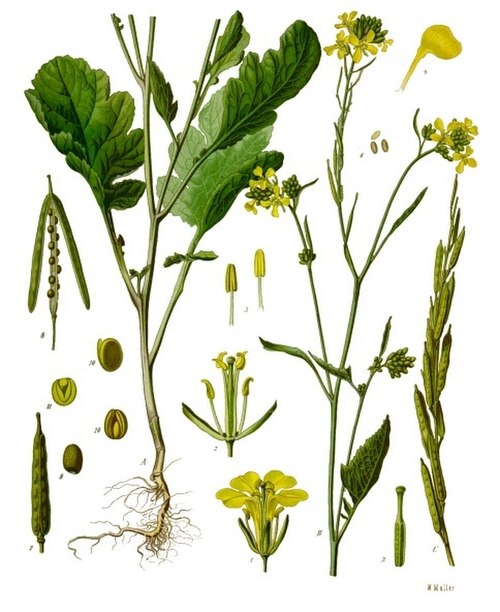
Same Family Walther Otto Müller / Public domain · cc0
Help improve the field guideSomething wrong?
Checking your Fauna account…Report a name, category, or profile issue for review.