
Plant · GBIF taxon 3040233
White Poplar
Populus albaAlso known as Silver Poplar, Silverleaf Poplar, Abele
White poplars stand out in moist river valleys and open spaces, recognized by the stark white, felted down coating the undersides of their leaves. Wind rustling through the canopy creates a flickering silver and green shimmer visible from a great distance. Their aggressive root suckers frequently give rise to dense clonal groves, anchored deep in alluvial soil.
TreeDeciduousWind-Pollinated
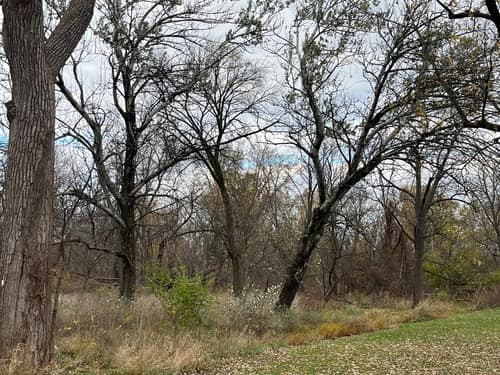
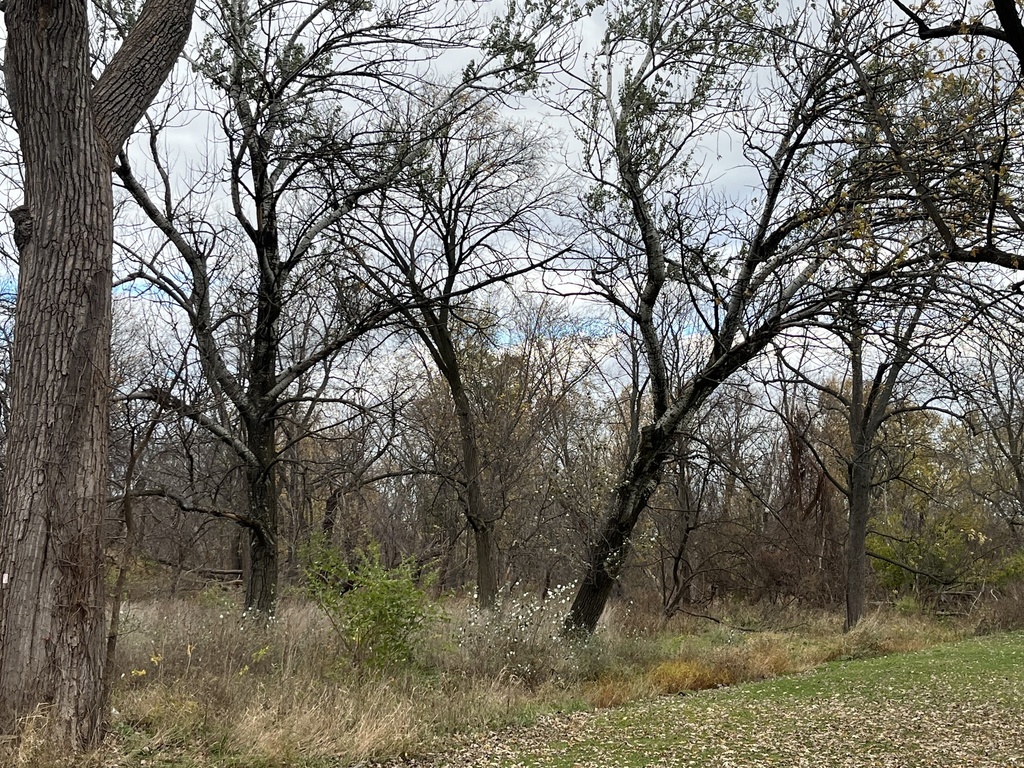
—observations
—countries
—peak records
Least ConcernConservation statusIUCN Red List categoriesLCNTVUENCREWEXLeast ConcernRed List categories, explained →
Diet & prey
- Autotroph (Photosynthetic)
Predators
- Poplar Borer
- Gypsy Moth
- Beavers
ThreatsFungal cankers, trunk rot, habitat loss in native range
HabitatsRiparian corridors, floodplains, lake margins, roadsides
Life span70–150 years
Size / weightNot available
Classification
- OrderMalpighiales
- FamilySalicaceae
- GenusPopulus
- SpeciesPopulus alba
Range data is not available yet.
Interaction riskLow
- Low
- Moderate
- High
- Very high
- Why interaction risk is low
- Safe to observe at a normal distance.
Responsible observation
- Leaf inspection: Flip a leaf over to feel the dense, woolly felt on the pale lower surface.
- Spring catkins: Look for long, drooping catkins appearing early in spring before leaves emerge.
- Clonal shoots: Search the ground around older trunks for young saplings sprouting directly from roots.
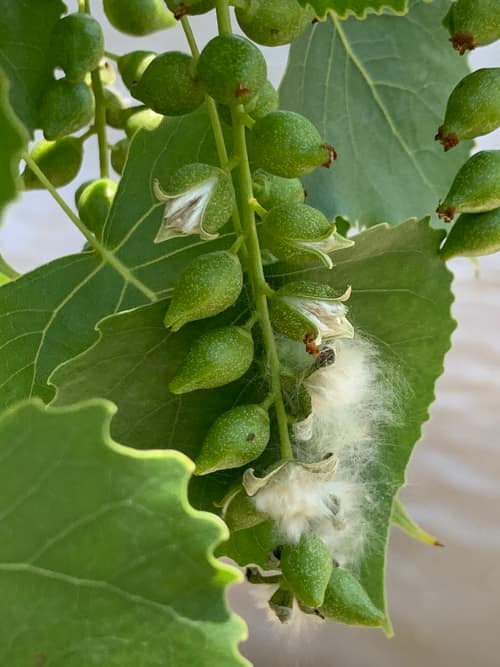
Ecological Counterpart (c) Sandy Wolkenberg, some rights reserved (CC BY), uploaded by Sandy Wolkenberg · cc-by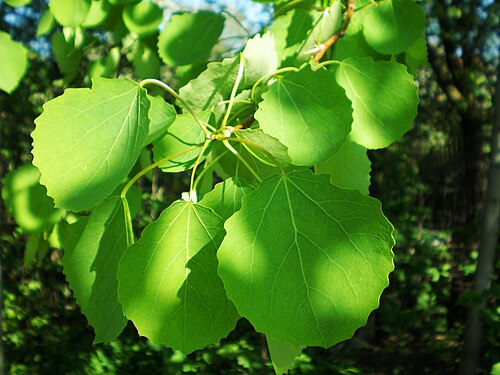
Close Relative Šarūnas Šimkus / CC BY-SA 3.0 · cc-by-sa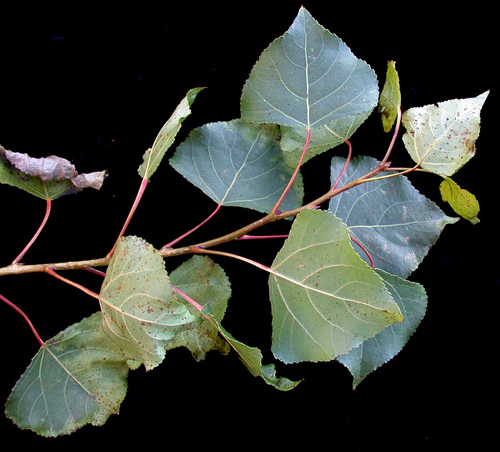
Close Relative (c) Ayotte, Gilles, 1948-, some rights reserved (CC BY-SA) · cc-by-sa
Help improve the field guideSomething wrong?
Checking your Fauna account…Report a name, category, or profile issue for review.