
Plant
Narrowleaf Cottonwood
Populus angustifoliaAlso known as Narrow-leaved Cottonwood, Willow-leaf Poplar
Narrowleaf Cottonwood is a slender-crowned western North American tree with narrow willow-like leaves and deeply furrowed bark on older trunks. It forms streamside groves in mountain valleys, where its roots stabilize banks and its shade moderates water temperatures.
streamside treenarrow leavesmountain valleys
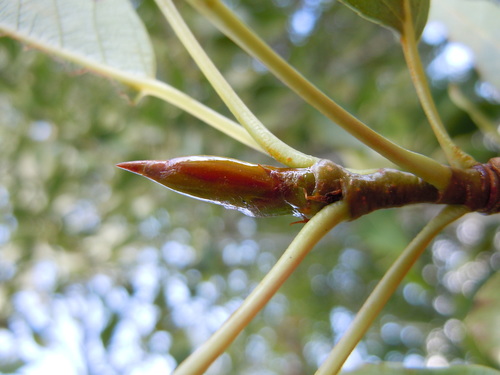
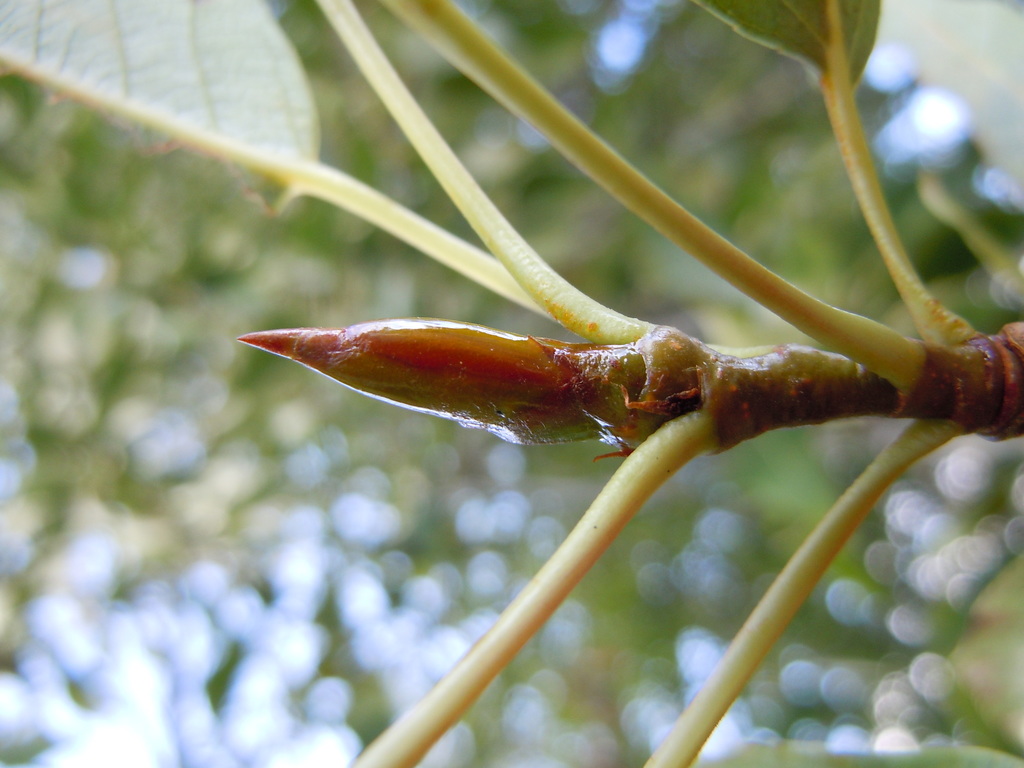
—observations
—countries
—peak records
Least ConcernConservation statusIUCN Red List categoriesLCNTVUENCREWEXLeast ConcernRed List categories, explained →
Diet & preyPhotosynthesis supported by abundant groundwater, seasonal floods, and mineral-rich alluvial soil
Predators
- beavers
- browsing deer
- leaf-feeding insects
ThreatsFlow regulation, groundwater decline, drought, livestock browsing, riparian development, and replacement by nonnative trees
HabitatsMountain streams, creek banks, floodplains, moist canyon bottoms, and riparian terraces
Life spanOften survives for many decades, and favorable riparian trees can persist for a century or longer
Classification
- FamilySalicaceae
- SpeciesPopulus angustifolia
Range data is not available yet.
Interaction riskLow
- Low
- Moderate
- High
- Very high
- Why interaction risk is low
- Pollen, wind-broken branches, and unstable riverbanks warrant ordinary care around mature trees during spring and storms.
Responsible observation
- Identify: Compare the long narrow leaves, pale twigs, and deeply furrowed bark beside flowing water.
- Protect: Remain on durable trails and avoid trampling seedlings or compacting exposed streamside roots.
Help improve the field guideSomething wrong?
Checking your Fauna account…Report a name, category, or profile issue for review.