
Plant
Alder Buckthorn
Frangula alnusAlso known as Glossy Buckthorn, Breaking Buckthorn, Black Dogwood
Alder buckthorn thrives along damp woodland borders, fens, and riverbanks, easily recognized by its thornless stems and alternate, smooth-edged leaves. Unlike many woody shrubs, it produces flowers and ripening fruit simultaneously throughout the summer, displaying green, red, and deep purple-black berries on the same branch. In its native Eurasian territory, it serves as the crucial primary larval food plant for the brimstone butterfly, while naturalized stands in North America form dense understory thickets that shade out indigenous seedlings.
DeciduousWetlandInvasive
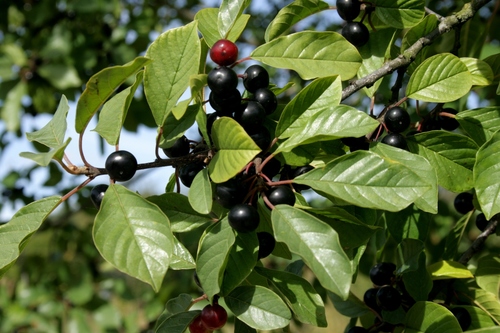
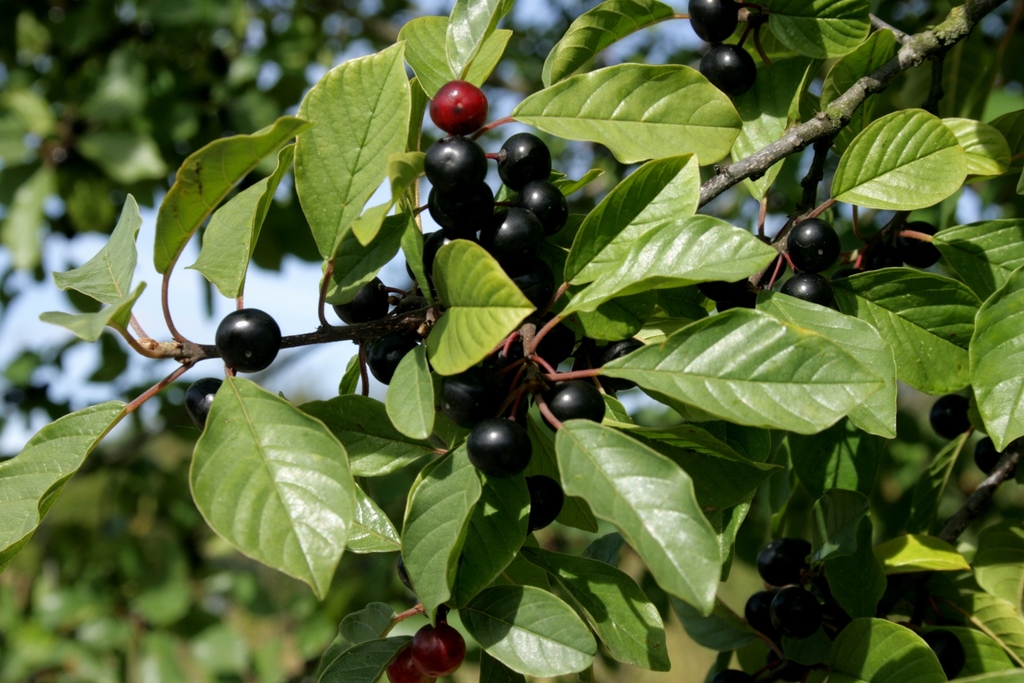
—observations
—countries
—peak records
Least ConcernConservation statusIUCN Red List categoriesLCNTVUENCREWEXLeast ConcernRed List categories, explained →
Diet & preyAutotrophic (Photosynthesis)
Predators
- Common Brimstone Caterpillars
- White-tailed Deer
- Turdus Thrushes
ThreatsWetland drainage in native range; aggressive eradication in introduced regions
HabitatsWet woodlands, bogs, fens, riparian corridors, and damp forest edges
Life span30–50 years
Classification
- OrderRosales
- FamilyRhamnaceae
- GenusFrangula
- SpeciesFrangula alnus
Range data is not available yet.
Interaction riskHigh
- Low
- Moderate
- High
- Very high
- Why interaction risk is high
- Berries contain emodin and cause violent vomiting; wild berries have toxic look-alikes, never ingest.
- Why it is dangerous
- Contains anthraquinone glycosides like frangulin and emodin, which cause severe intestinal cramping, violent diarrhea, and vomiting if ingested.
- How to recognize a risky encounter
- Look for thornless stems with dark bark marked by horizontal white lenticels, paired with glossy leaves that show parallel lateral veins.
- What to do
- Do not consume berries or chew stems, and wear gardening gloves when cutting or uprooting shrubs.
Responsible observation
- Bark Inspection: Scrape outer bark on a twig to reveal the diagnostic bright yellow inner layer.
- Butterfly Watching: Check the undersides of leaves during late spring for brimstone butterfly eggs and caterpillars.
- Invasive Removal: Pull young seedlings when the ground is moist to ensure the entire root system comes out.
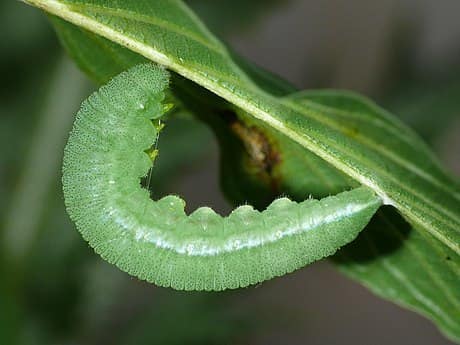
Host Plant (c) Harald Süpfle, some rights reserved (CC BY-SA) · cc-by-sa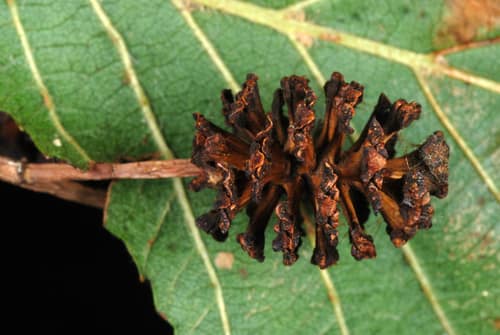
Frequent Companion (c) Douglas Goldman, some rights reserved (CC BY-SA), uploaded by Douglas Goldman · cc-by-sa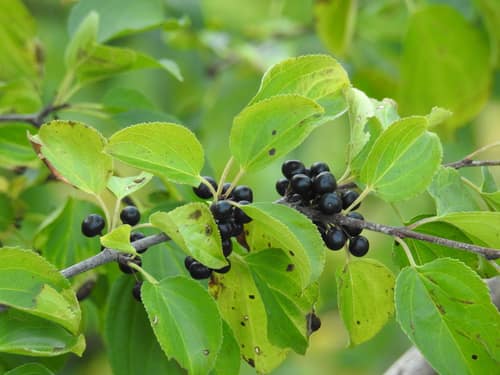
Close Relative (c) Robert Flogaus-Faust, some rights reserved (CC BY) · cc-by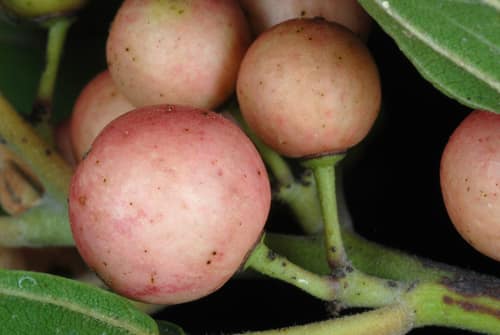
Close Relative (c) Douglas Goldman, some rights reserved (CC BY-SA), uploaded by Douglas Goldman · cc-by-sa
Help improve the field guideSomething wrong?
Checking your Fauna account…Report a name, category, or profile issue for review.