
Plant · GBIF taxon 3039272
Cherry Oleaster
Elaeagnus multifloraAlso known as Cherry Silverberry, Goumi, Gumi, Natsugumi
Cherry oleaster forms dense, spreading thickets along forest edges and sunny hillsides, enriching marginal soils through symbiotic nitrogen-fixing Frankia bacteria housed within its root nodules. Slender reddish branches bear leaves and dangling oval fruits speckled with distinctive silvery and copper-brown peltate scales. Migrating and resident songbirds gather in early summer to consume the ripening crop, dispersing seeds widely across neighboring open lands.
Deciduous ShrubNitrogen-FixingWildlife Host
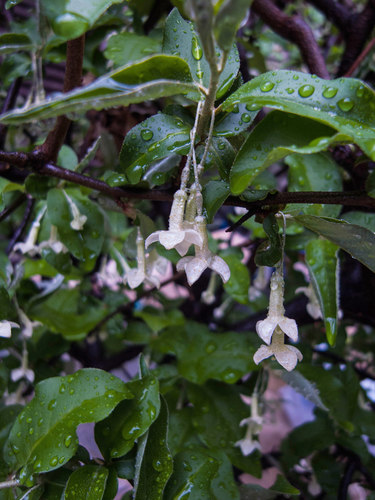
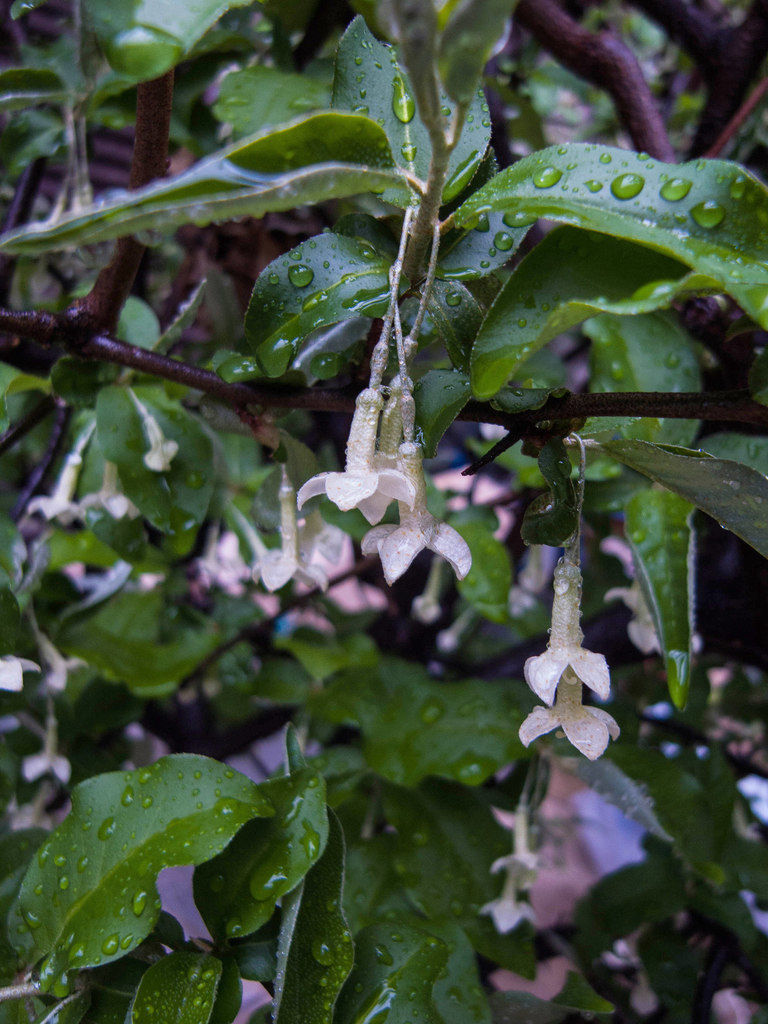
—observations
—countries
—peak records
Not EvaluatedConservation statusIUCN Red List categoriesLCNTVUENCREWEXNot Evaluated — not placed on the risk ladderRed List categories, explained →
Diet & prey
- Autotrophic (photosynthetic)
Predators
- Cedar waxwing
- Brown-eared bulbul
- White-tailed deer
ThreatsHabitat loss, development, and invasive competing vegetation
HabitatsForest margins, thickets, coastal valleys, open slopes, and roadsides
Life span20–40 years
Classification
- FamilyElaeagnaceae
- SpeciesElaeagnus multiflora
Range data is not available yet.
Interaction riskLow
- Low
- Moderate
- High
- Very high
- Why interaction risk is low
- Wild berries have toxic look-alikes; never eat based on app identification alone.
Responsible observation
- Scale Inspection: Use a hand lens to examine the striking starry scales that coat the underside of the leaves.
- Birding Observation: Station yourself nearby in early summer when frugivorous songbirds arrive in flocks to feed on the branches.
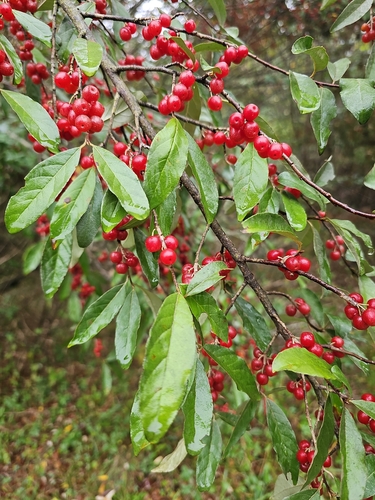
Close Relative no rights reserved, uploaded by Shawn · cc0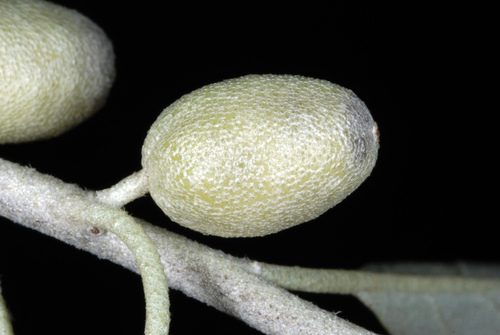
Close Relative (c) Douglas Goldman, some rights reserved (CC BY-SA), uploaded by Douglas Goldman · cc-by-sa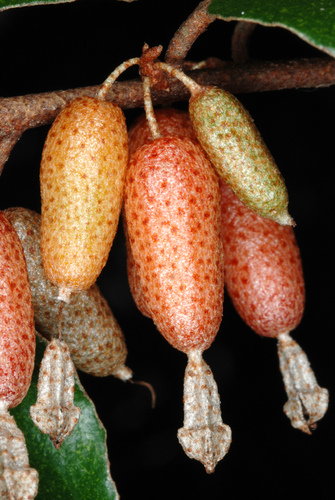
Close Relative (c) Douglas Goldman, some rights reserved (CC BY-SA), uploaded by Douglas Goldman · cc-by-sa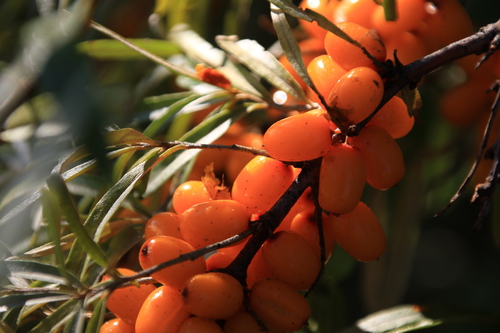
Same Family (c) Нурхайдарова Татьяна, some rights reserved (CC BY), uploaded by Нурхайдарова Татьяна · cc-by
Help improve the field guideSomething wrong?
Checking your Fauna account…Report a name, category, or profile issue for review.