
Plant · GBIF taxon 3039194
Virginia Creeper
Parthenocissus quinquefoliaAlso known as Woodbine, Five-Leaved Ivy, Five-Finger
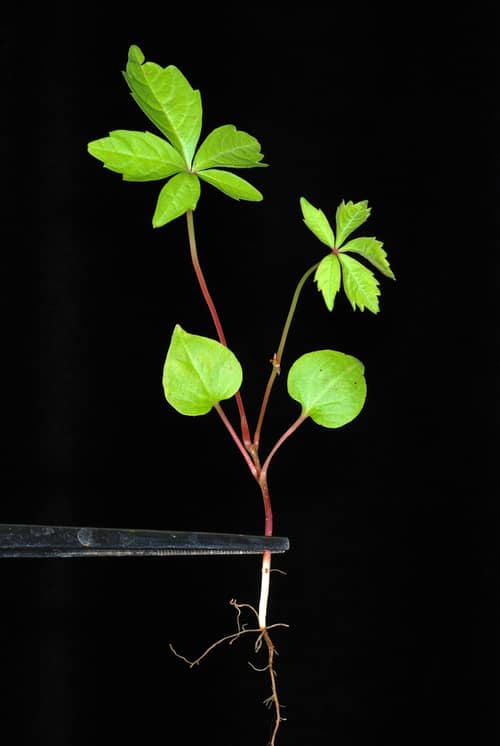
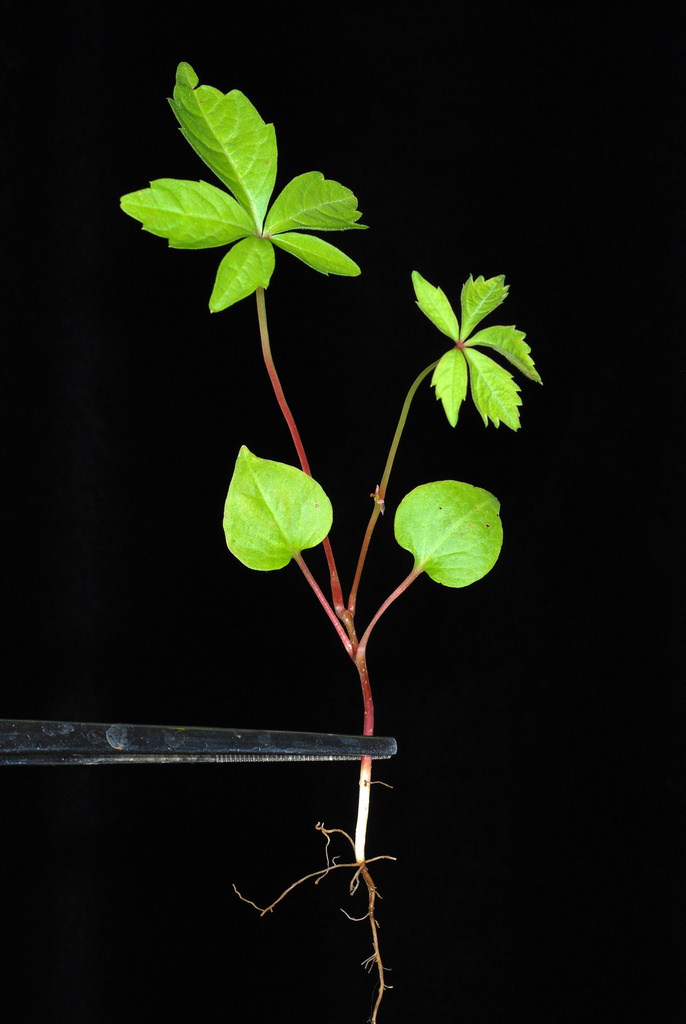
Virginia creeper scales forest canopies and masonry walls using branched tendrils tipped with tiny adhesive pads. Its palmately compound leaves display five serrated leaflets that turn a brilliant crimson in early autumn, providing striking seasonal color. Small greenish flower clusters give way to dark blue berries that nourish migrating songbirds throughout the winter months.
VineDeciduousAutumn Color
 1 / 7
1 / 7—observations
—countries
—peak records
Least ConcernConservation statusIUCN Red List categoriesLCNTVUENCREWEXLeast ConcernRed List categories, explained →
Diet & prey
- Photosynthetic
Predators
- Sphinx Moth Caterpillars
- White-Tailed Deer
- Japanese Beetles
ThreatsHerbicide application, heavy land clearing
HabitatsWoodlands, forest edges, thickets, suburban landscapes
Life span30–50+ years
Size / weightNot available
Classification
- OrderVitales
- FamilyVitaceae
- GenusParthenocissus
- SpeciesParthenocissus quinquefolia
Range data is not available yet.
Interaction riskHigh
- Low
- Moderate
- High
- Very high
- Why interaction risk is high
- Wild berries have toxic look-alikes; sap causes skin irritation and berries contain oxalates.
- Why it is dangerous
- Microscopic calcium oxalate crystals in the sap cause contact dermatitis, while eating the berries triggers severe gastrointestinal distress.
- How to recognize a risky encounter
- Look for palmately compound leaves with five distinct serrated leaflets radiating from a central point.
- What to do
- Wear gardening gloves and long sleeves when pruning or removing vines to prevent sap contact with skin.
Responsible observation
- Identification: Count the leaflets on a stem to easily distinguish five-leaved Virginia creeper from three-leaved poison ivy.
- Gardening: Provide a sturdy trellis or brick surface for support, keeping vines trimmed away from wooden siding.
- Wildlife Watching: Scan winter vines for migrating songbirds such as thrushes and mockingbirds feeding on dark berries.
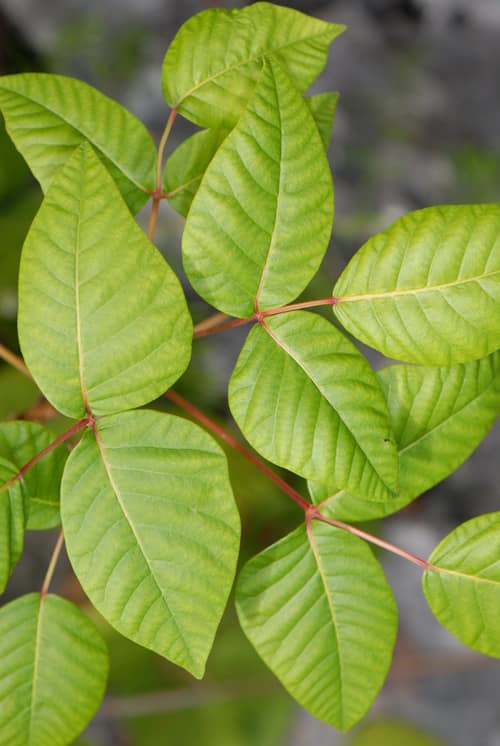
Look-Alike (c) Sam Fraser-Smith, some rights reserved (CC BY) · cc-by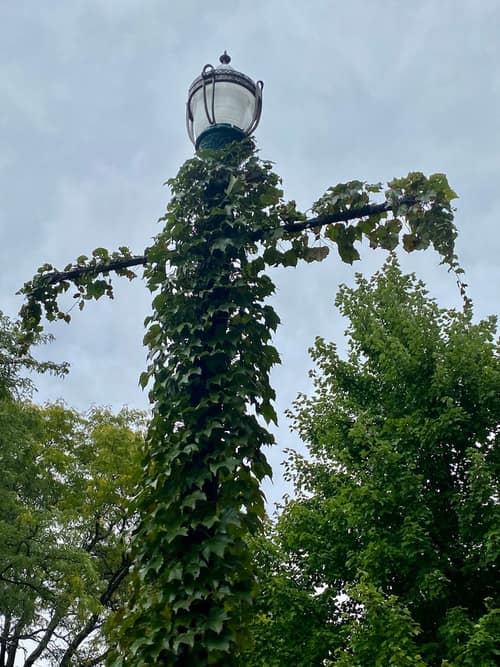
Close Relative (c) Sandy Wolkenberg, some rights reserved (CC BY) · cc-by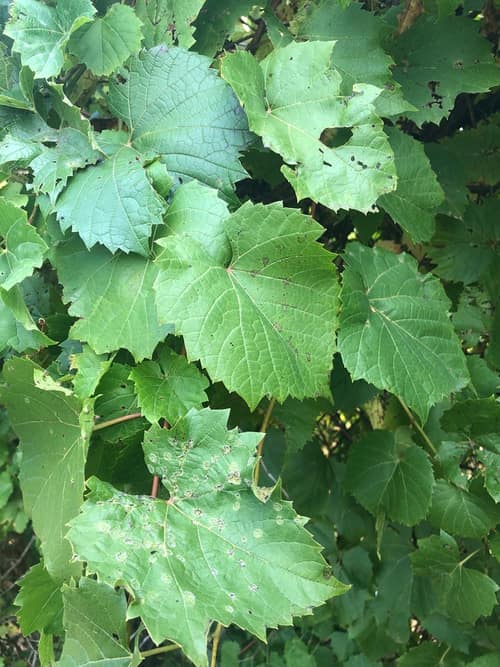
Family Member (c) miquelon, some rights reserved (CC BY), uploaded by miquelon · cc-by
Help improve the field guideSomething wrong?
Checking your Fauna account…Report a name, category, or profile issue for review.