
Plant · GBIF taxon 3039046
Japanese Aralia
Fatsia japonicaAlso known as Paperplant, Fatsi, False Castor Oil Plant
Japanese aralia thrives in damp coastal understories, producing massive, glossy, hand-shaped leaves that frequently span over 30 centimeters across. In late autumn, mature shrubs send up rounded umbels of creamy white flowers that provide a crucial nectar source for lingering pollinators before developing into clusters of dark black berries. Adapted to maritime climates, it withstands salt-laden sea air, heavy shade, and urban pollution while maintaining lush foliage through mild winters.
EvergreenShade TolerantBroadleaf
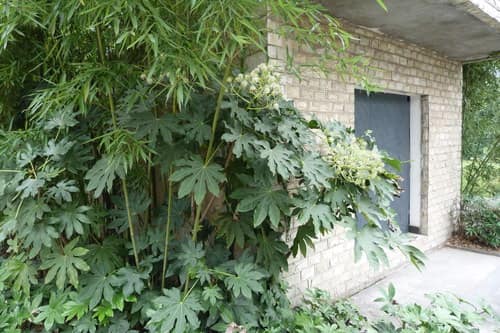
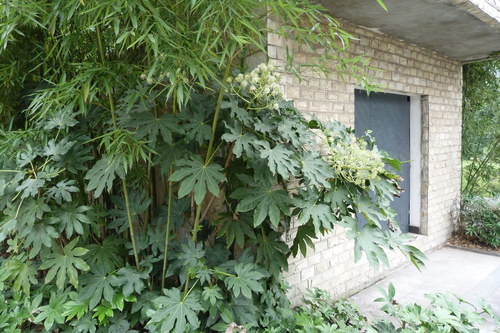 1 / 7
1 / 7—observations
—countries
—peak records
Not EvaluatedConservation statusIUCN Red List categoriesLCNTVUENCREWEXNot Evaluated — not placed on the risk ladderRed List categories, explained →
Diet & prey
- Autotrophic (photosynthetic)
Predators
- Scale insects
- Mealybugs
- Aphids
ThreatsSevere hard freezes, extreme prolonged drought, habitat fragmentation
HabitatsCoastal forests, lowland woodlands, shaded ravines, urban gardens
Life span20–40 years
Classification
- OrderApiales
- FamilyAraliaceae
- GenusFatsia
- SpeciesFatsia japonica
Range data is not available yet.
Interaction riskHigh
- Low
- Moderate
- High
- Very high
- Why interaction risk is high
- Wild berries have toxic look-alikes; never eat based on app identification alone.
Responsible observation
- Light Exposure: Plant in partial to full shade to protect the broad leaves from sunburn.
- Winter Shielding: Position out of strong, drying winds that can scorch and tatter leaf margins.
- Pruning Technique: Cut back leggy branches in early spring to stimulate dense, compact new growth.
 Image unavailable
Close Relative 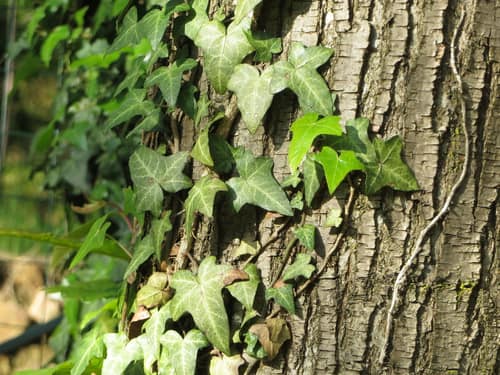
Same Family (c) Marianna Boi, some rights reserved (CC BY), uploaded by Marianna Boi · cc-by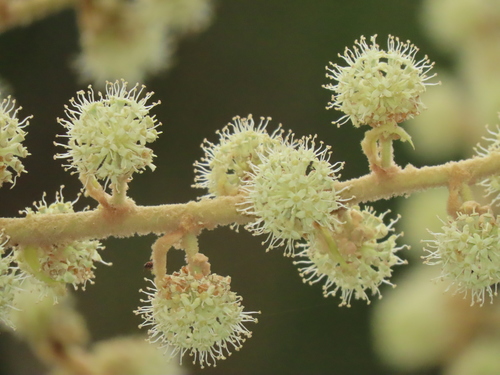
Same Family (c) chiuluan, some rights reserved (CC BY), uploaded by chiuluan · cc-by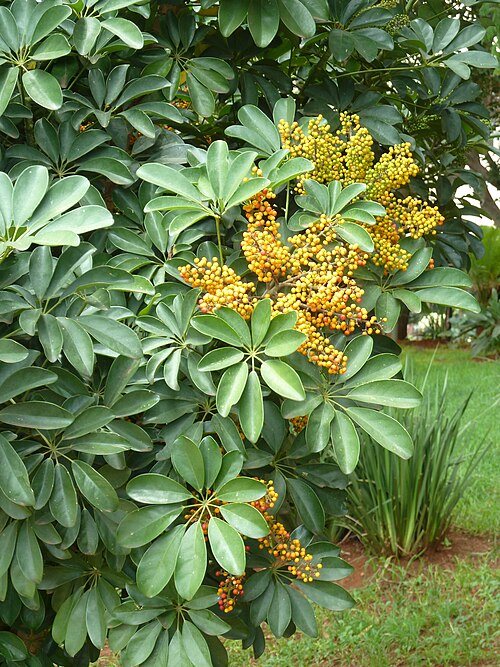
Same Family JMK / CC BY-SA 3.0 · cc-by-sa
Help improve the field guideSomething wrong?
Checking your Fauna account…Report a name, category, or profile issue for review.