
Plant · GBIF taxon 3038724
Miniature Umbrella Tree
Heptapleurum arboricolaAlso known as Dwarf Umbrella Tree, Hawaiian Schefflera, Parasol Plant, Arboricola
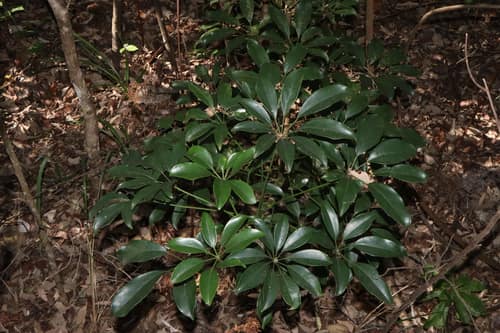
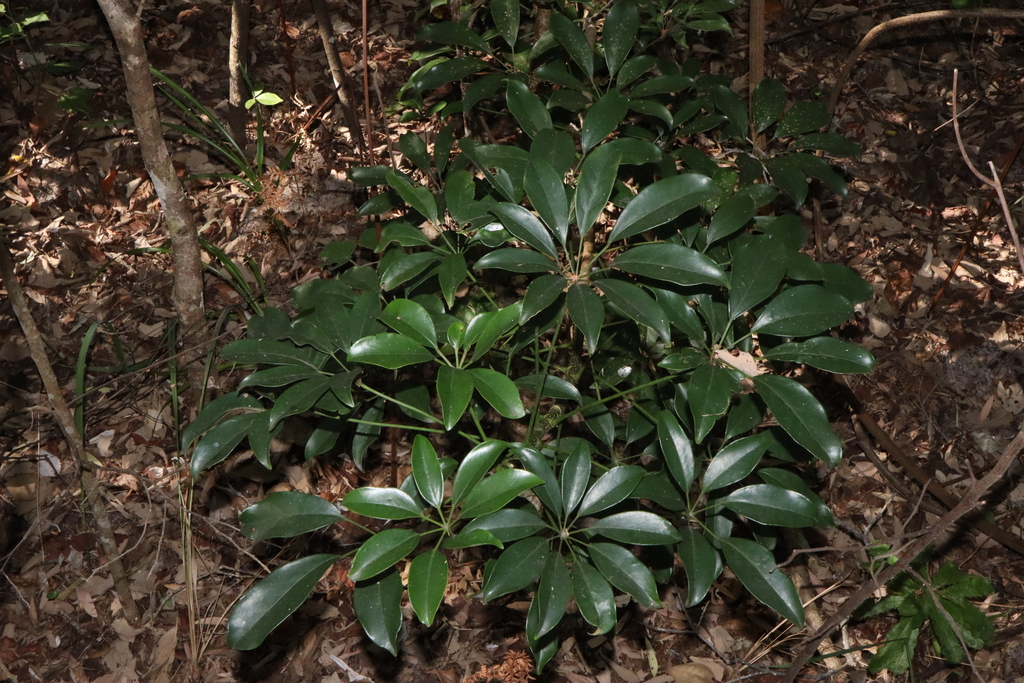
Dwarf umbrella trees produce whorled, palmately compound leaves that form shiny green parasols along woody trailing stems. In their native subtropical habitats of Hainan and Taiwan, these versatile woody climbers start as epiphytic shrubs before anchoring into forest soils or rock crevices. Small orange berries ripen to dark purple on mature outdoor specimens, providing food for fruit-eating birds that disperse the seeds.
EvergreenTropicalHouseplant
—observations
—countries
—peak records
Not EvaluatedConservation statusIUCN Red List categoriesLCNTVUENCREWEXNot Evaluated — not placed on the risk ladderRed List categories, explained →
Diet & prey
- Autotrophic (Photosynthetic)
Predators
- Spider Mites
- Mealybugs
- Scale Insects
ThreatsHabitat clearing in native range, frost in non-tropical zones
HabitatsSubtropical evergreen forests, river valleys, cultivated gardens
Life span20–50+ years
Size / weightNot available
Classification
- OrderApiales
- FamilyAraliaceae
- GenusHeptapleurum
- SpeciesHeptapleurum arboricola
Range data is not available yet.
Interaction riskHigh
- Low
- Moderate
- High
- Very high
- Why interaction risk is high
- Contains insoluble calcium oxalates toxic to pets. Wild berries have toxic look-alikes; never ingest wild plants.
- Why it is dangerous
- Tissues contain insoluble calcium oxalate crystals that cause intense burning, drooling, and oral swelling if chewed or swallowed by pets or humans.
- How to recognize a risky encounter
- Recognizable by glossy palmate leaves with seven to nine distinct leaflets radiating like miniature umbrellas.
- What to do
- Keep potted specimens away from curious pets and wear light gloves when handling cut sap.
Responsible observation
- Placement: Bright indirect sunlight supports vivid green leaves without burning the foliage.
- Watering: Allow the top inch of soil to dry out between waterings to prevent root rot.
- Pruning: Pinch back growing tips in spring to encourage bushy growth.
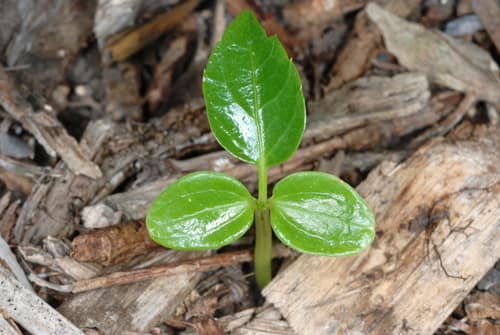
Close Relative (c) Douglas Goldman, some rights reserved (CC BY-SA), uploaded by Douglas Goldman · cc-by-sa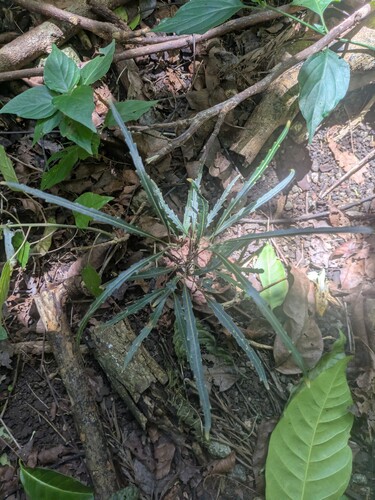
Family Member (c) Kevin Faccenda, some rights reserved (CC BY) · cc-by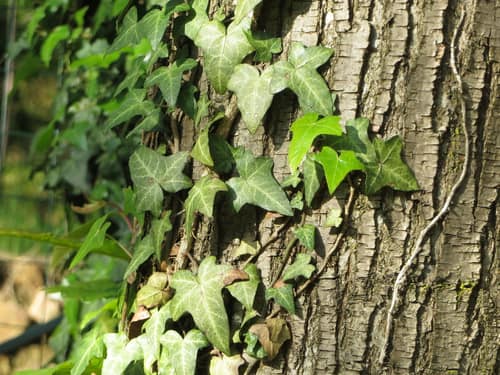
Family Member (c) Marianna Boi, some rights reserved (CC BY), uploaded by Marianna Boi · cc-by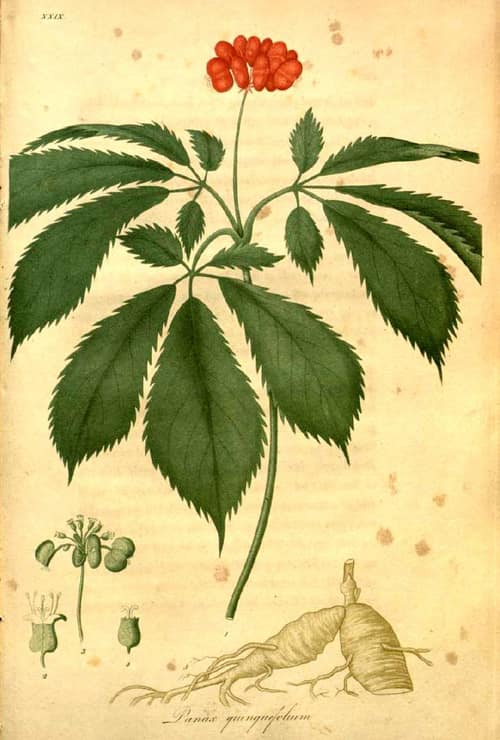
Family Member Jacob Bigelow (1786-1879), text and coloured engravings / Public domain · cc0
Help improve the field guideSomething wrong?
Checking your Fauna account…Report a name, category, or profile issue for review.