
Plant
American Spikenard
Aralia racemosaAlso known as Small Spikenard, Indian Root, Spice Berry, Life-of-Man
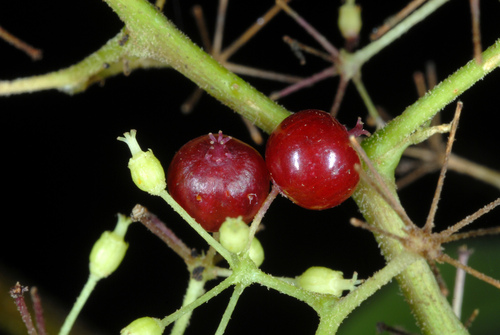
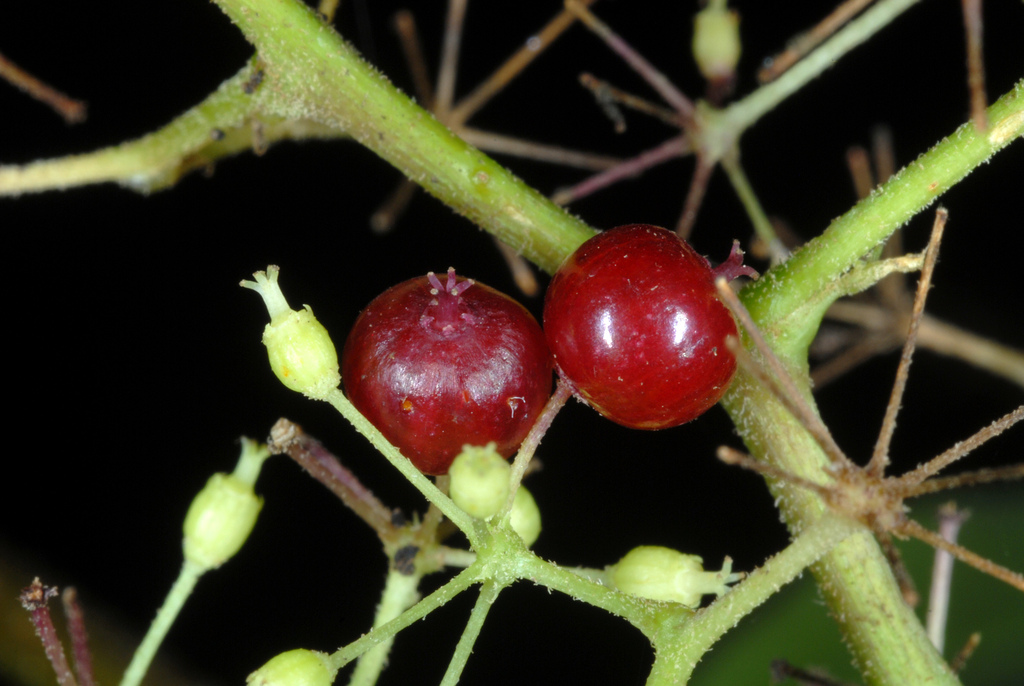
American spikenard is a robust woodland perennial recognized by its wide, branching purplish stems and expansive compound leaves with double-toothed, heart-shaped leaflets. In midsummer, it produces large terminal clusters of tiny greenish-white flowers that attract diverse native bees and pollinators. By late summer and autumn, these blooms give way to dense, hanging clusters of dark purple berries that provide vital food for woodland birds.
PerennialWoodlandAromatic
—observations
—countries
—peak records
Least ConcernConservation statusIUCN Red List categoriesLCNTVUENCREWEXLeast ConcernRed List categories, explained →
Diet & preySunlight, Water, Soil Nutrients
Predators
- White-tailed Deer
- Herbivorous Insects
ThreatsHabitat destruction, over-harvesting of wild roots, invasive plant competition
HabitatsRich mesic forests, shaded ravines, moist woodland slopes
Life spanPerennial (decades via long-lived rootstock)
Classification
- OrderApiales
- FamilyAraliaceae
- GenusAralia
- SpeciesAralia racemosa
Range data is not available yet.
Interaction riskLow
- Low
- Moderate
- High
- Very high
- Why interaction risk is low
- Wild berries have toxic look-alikes; never eat based on app identification alone.
Responsible observation
- Spotting in Woods: Look for large compound leaves with heart-shaped leaflets along dark, zig-zagging stems.
- Autumn Identification: Search for globe-like clusters of shiny, dark red to purple berries in early fall.
- Gentle Observation: Avoid digging roots or disturbing soil around slow-growing woodland perennials.
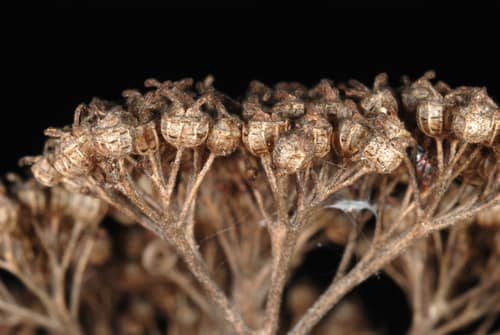
Habitat Companion (c) Douglas Goldman, some rights reserved (CC BY-SA), uploaded by Douglas Goldman · cc-by-sa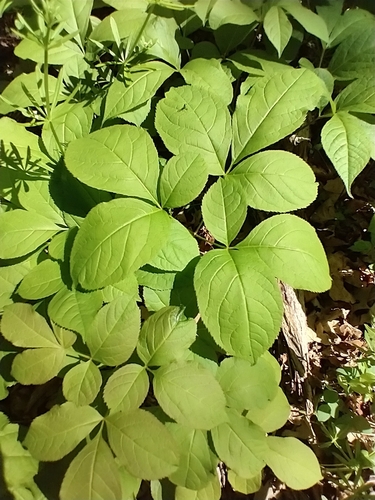
Close Relative (c) Tom Norton, some rights reserved (CC BY) · cc-by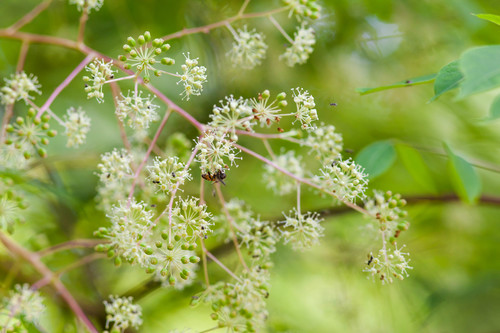
Close Relative (c) Melissa McMasters, some rights reserved (CC BY) · cc-by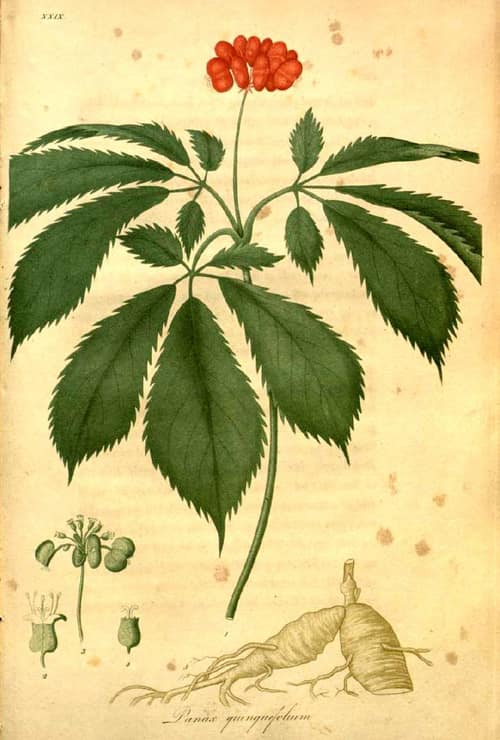
Family Member Jacob Bigelow (1786-1879), text and coloured engravings / Public domain · cc0
Help improve the field guideSomething wrong?
Checking your Fauna account…Report a name, category, or profile issue for review.