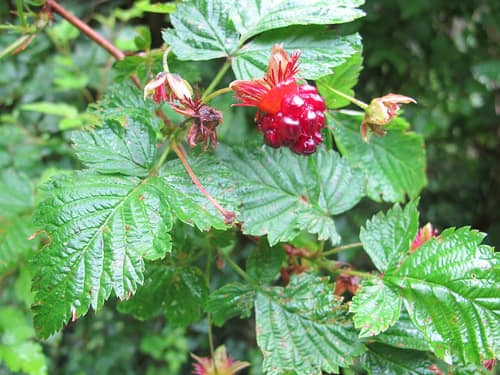
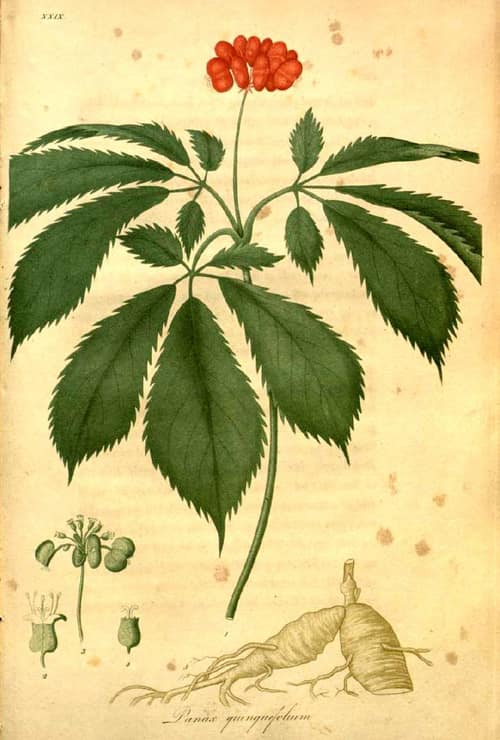
Also known as Devil's Walking Stick, Alaskan Ginseng
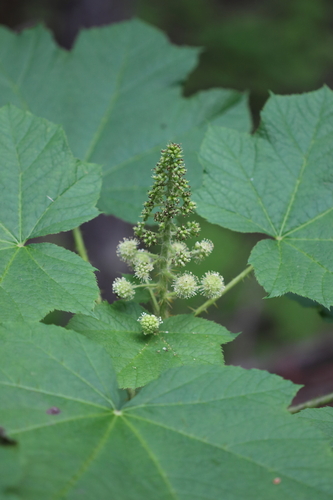
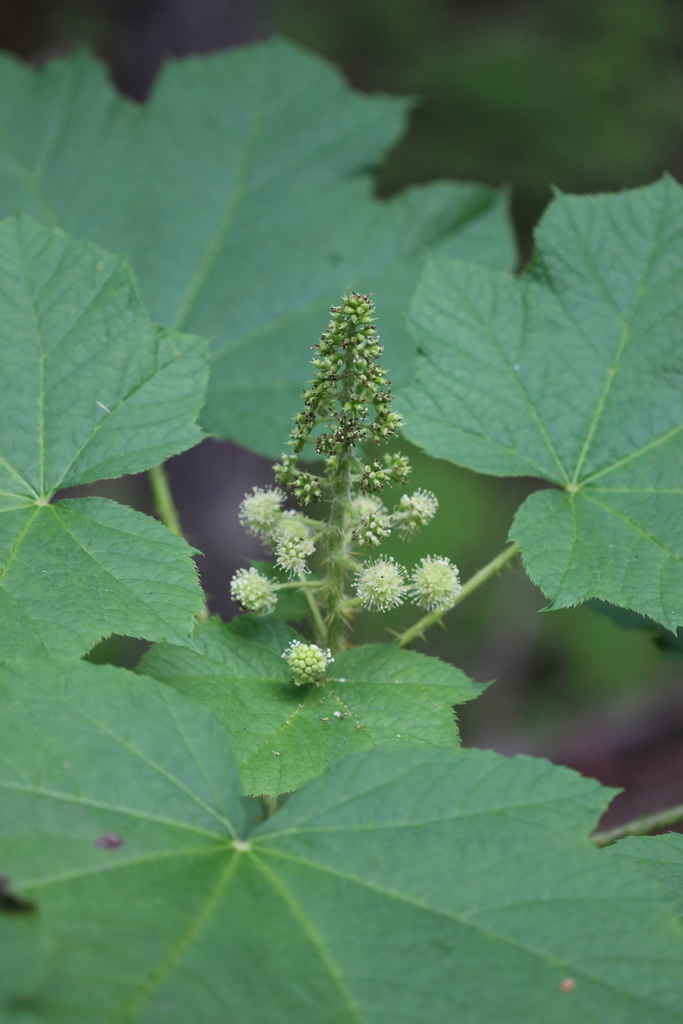
Devil's club thrives in the dim, damp understory of old-growth temperate rainforests, often forming dense, impenetrable thickets along streams and moist ravines. Towering stems bristle with brittle, yellowish spines that readily break off in flesh, while massive maple-like leaves spread up to forty centimeters wide to capture scarce forest light. Indigenous peoples of the Pacific Northwest hold the shrub in high spiritual and medicinal regard, using its inner bark for teas, poultices, and protective talismans.
ThreatsClear-cut logging, trail disturbance, and development
HabitatsMoist temperate rainforests, riparian zones, and seepage areas
Life spanPerennial (decades)
Size / weightNot available
Classification
OrderApiales
FamilyAraliaceae
GenusOplopanax
SpeciesOplopanax horridus
Range & activity
Range data is not available yet.
Safe observation
Interaction riskLow
Low
Moderate
High
Very high
Why interaction risk is low
Dense, brittle spines break easily under the skin, causing festering wounds; wild berries have toxic look-alikes.
Why it is dangerous
The stems and leaf veins are covered in brittle, yellowish spines that easily pierce skin and break off, often inducing foreign-body reactions and painful, slow-healing bacterial infections.
How to recognize a risky encounter
Look for sprawling woody thickets with huge, palmately lobed leaves up to forty centimeters broad and dense golden needle-like prickles.
What to do
Never push through stands of this shrub without heavy protective leather gloves and thick canvas pants, and watch your footing along brushy streambanks.
Responsible observation
Trail Etiquette: Give thickets a wide berth to prevent brittle spines from catching on clothing or puncturing boots.
First Aid Precaution: If punctured, remove spine tips immediately with tweezers to avoid secondary bacterial infection.