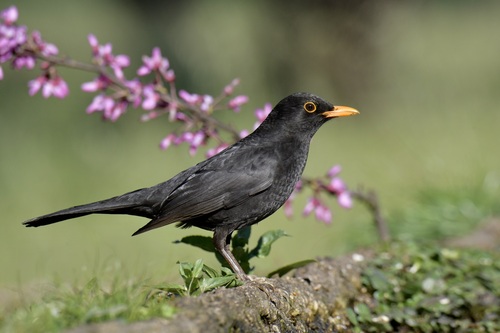
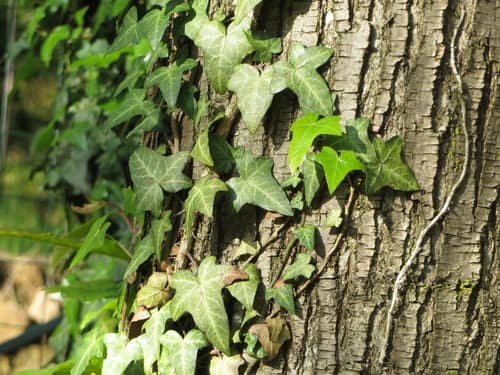
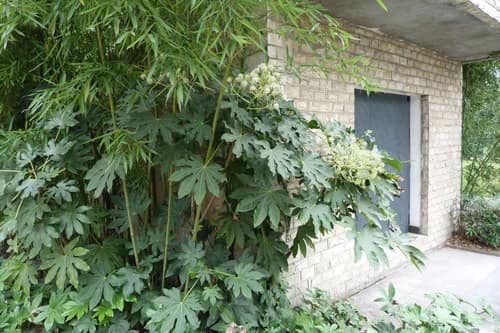
Persian ivy drapes woodland trees, cliff faces, and garden walls in glossy, leathery foliage that stays green all year. Unlike most ivies, its broad, heart-shaped leaves emit a distinct celery-like scent when crushed, and mature plants shift from climbing shoots to bushy flowering branches in full sun. Late-summer clusters of greenish-yellow flowers offer a vital nectar source for autumn insects, followed by dark berries that sustain birds through winter.
Not EvaluatedConservation statusIUCN Red List categoriesLCNTVUENCREWEXNot Evaluated — not placed on the risk ladderRed List categories, explained →
Key facts
Diet & preySunlight, Water, Soil minerals
Predators
Deer
Slugs
Snails
ThreatsFew natural threats; can become invasive outside its native range
HabitatsTemperate woodlands, rocky cliffs, shaded ravines, and urban walls across the Middle East, Caucasus, and naturalized regions
Life spanPerennial, often living 50 to 100 years or more
Classification
FamilyAraliaceae
SpeciesHedera colchica
Range & activity
Range data is not available yet.
Safe observation
Interaction riskHigh
Low
Moderate
High
Very high
Why interaction risk is high
Leaves and berries are toxic to humans and pets; sap can irritate skin, so never ingest or handle without gloves.
Why it is dangerous
Contains triterpenoid saponins and polyacetylenes such as falcarinol, which trigger gastrointestinal distress if swallowed and allergic contact dermatitis from sap exposure.
How to recognize a risky encounter
Look for exceptionally large, leathery, unlobed heart-shaped leaves up to 25 cm long on woody stems anchored by dense aerial rootlets.
What to do
Wear gardening gloves when pruning, wash skin promptly after contact, and keep pets and children away from the leaves and black berries.
Responsible observation
Leaf Scent: Gently rub a fallen leaf to notice its subtle, characteristic celery-like or resinous aroma.
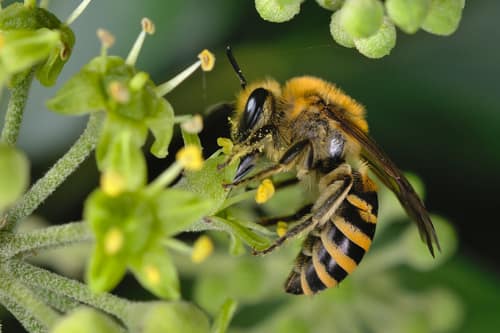
Autumn Pollinators: Observe the globular greenish-yellow flower clusters in late summer and autumn to spot bees, wasps, and hoverflies.
Safe Pruning: Wear gloves and long sleeves when trimming stems to keep irritating sap off your skin.

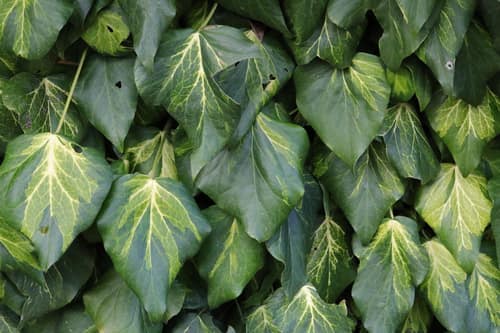
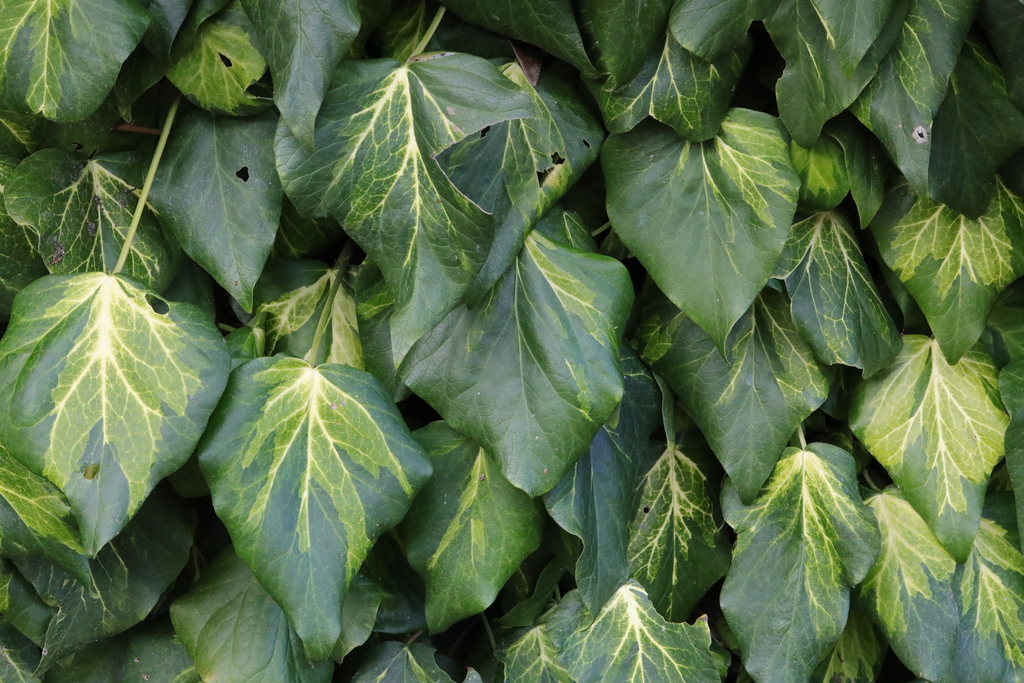
 Image unavailable