
Plant
Goutweed
Aegopodium podagrariaAlso known as Ground Elder, Herb Gerard, Bishop's Weed, Wild Masterwort
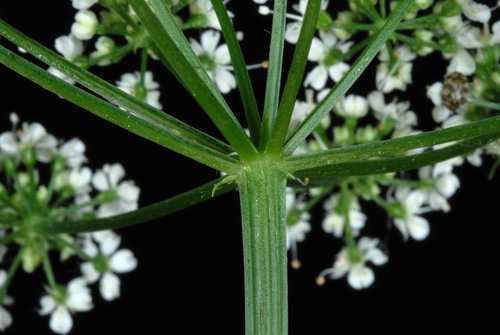
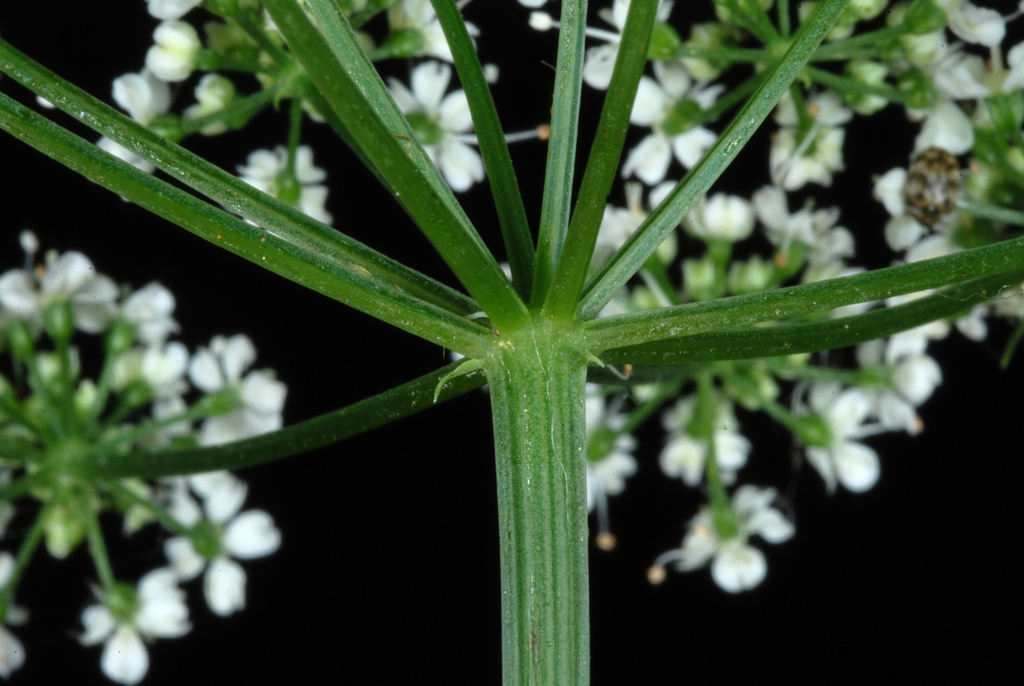
Goutweed blankets shady forest floors and disturbed garden beds with a dense subterranean network of aggressive rhizomes that crowd out native flora. In late spring and midsummer, upright hollow stems rise above the foliage to unfurl broad, flat-topped umbels of tiny white flowers that attract a diverse array of hoverflies and solitary bees. Monks once cultivated it across medieval Europe as a medicinal treatment for joint pain and gout, but its vigorous vegetative spread has earned it a reputation as an intractable garden weed.
PerennialInvasiveFlowering
—observations
—countries
—peak records
Not EvaluatedConservation statusIUCN Red List categoriesLCNTVUENCREWEXNot Evaluated — not placed on the risk ladderRed List categories, explained →
Diet & preyAutotrophic (photosynthetic)
Predators
- Roe Deer
- Roman Snail
- Depressaria chaerophylli Larvae
ThreatsHerbicides, deep tillage, and root excavation
HabitatsDeciduous forests, woodland margins, riparian zones, and garden beds
Life spanPerennial (indefinite via clonal rhizomes)
Classification
- OrderApiales
- FamilyApiaceae
- GenusAegopodium
- SpeciesAegopodium podagraria
Range data is not available yet.
Interaction riskLow
- Low
- Moderate
- High
- Very high
- Why interaction risk is low
- Apiaceae members share traits with deadly poisonous look-alikes; never ingest wild plants based on app identification.
Responsible observation
- Stem inspection: Check for grooved, triangular leaf stalks that distinguish it from many related umbellifers.
- Root removal: Remove every root fragment when weeding, as tiny rhizome remnants readily regenerate.
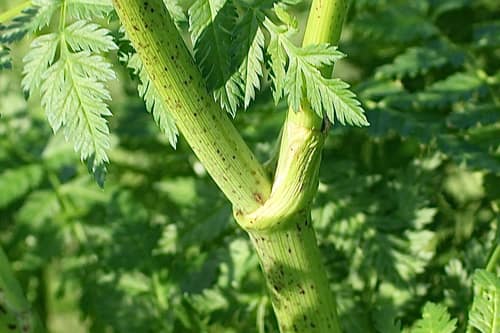
Toxic Look-alike (c) L.J. Lamera, some rights reserved (CC BY), uploaded by L.J. Lamera · cc-by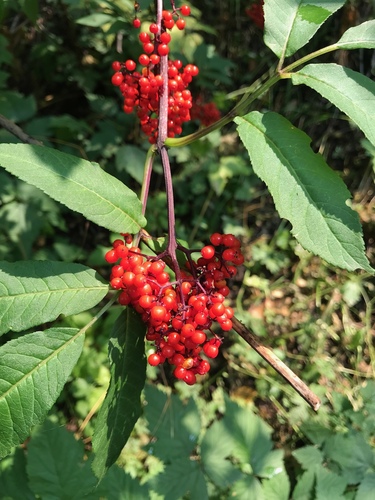
Foliage Mimic no rights reserved, uploaded by neotrigonia · cc0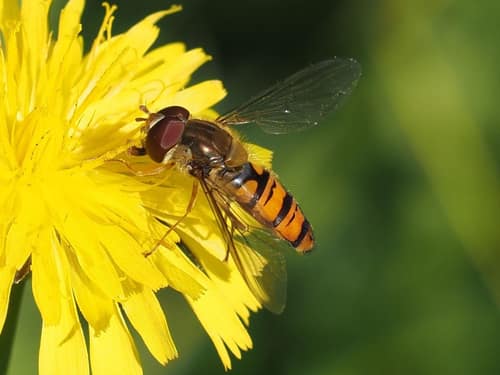
Pollinator (c) Michael Knapp, some rights reserved (CC BY), uploaded by Michael Knapp · cc-by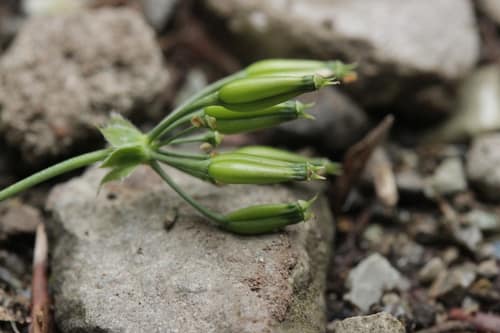
Same Family (c) Björn Sothmann, some rights reserved (CC BY-SA), uploaded by Björn Sothmann · cc-by-sa
Help improve the field guideSomething wrong?
Checking your Fauna account…Report a name, category, or profile issue for review.