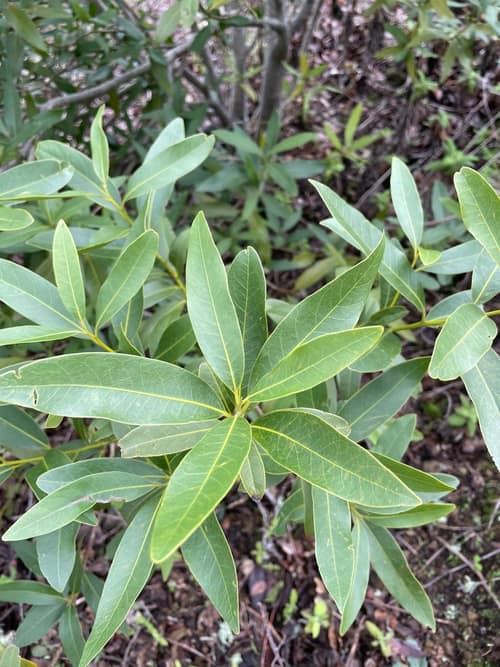
Also known as Bay Tree, Sweet Bay, True Laurel, Grecian Laurel
Bay laurel thrives across Mediterranean scrublands and coastal valleys, forming dense evergreen groves anchored by glossy, aromatic foliage. Female trees produce small, glossy black drupes in autumn that provide valuable sustenance for thrushes and warblers, which subsequently disperse the single seeds across rocky terrain. Widely celebrated since antiquity as a symbol of victory and scholarly achievement, this resilient tree sprouts vigorously from its root base after fire or frost.
ThreatsHabitat clearance, severe prolonged freezes, and phytophthora root rot
HabitatsMediterranean maquis, woodland margins, rocky slopes, and ravines
Life span100–300 years
Size / weightNot available
Classification
OrderLaurales
FamilyLauraceae
GenusLaurus
SpeciesLaurus nobilis
Range & activity
Range data is not available yet.
Safe observation
Interaction riskHigh
Low
Moderate
High
Very high
Why interaction risk is high
Toxic to dogs and cats if ingested; wild plants and berries have toxic look-alikes like cherry laurel.
Why it is dangerous
Leaves contain eugenol and essential oils that cause severe gastrointestinal distress and obstruction in dogs and cats, and the plant is easily confused with fatally toxic cherry laurel.
How to recognize a risky encounter
True bay has alternate, leathery, wavy-edged leaves with a warm herbal aroma when crushed, unlike the almond-scented, cyanogenic cherry laurel.
What to do
Keep ornamental prunings away from pets and livestock, and never forage leaves or berries without confirmed botanical identification.
Responsible observation
Foliage check: Gently crush a mature leaf to detect the unmistakable sweet, spicy herbal scent.
Look-alike awareness: Inspect leaf margins and leaf stems carefully, ensuring you never confuse it with toxic cherry laurel.

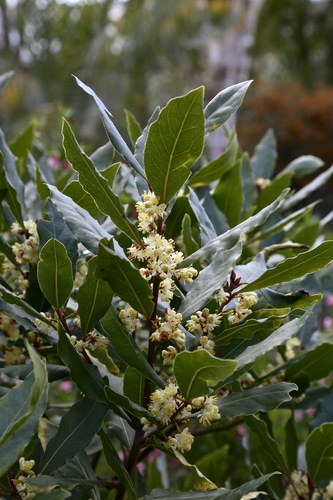
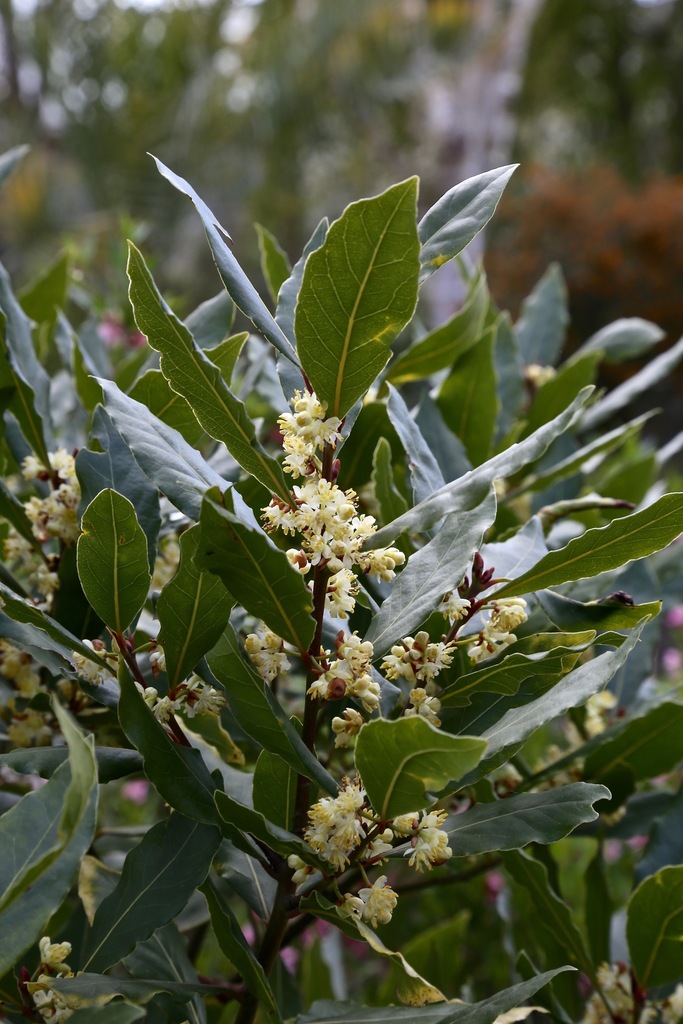
 Image unavailable