
Plant · GBIF taxon 3033991
Camphor Tree
Cinnamomum camphoraAlso known as Camphor Laurel, Camphorwood, Japanese Camphor
Camphor trees feature dense, rounded canopies of glossy evergreen foliage that releases a pungent medicinal aroma when bruised. Small yellowish-white spring flowers give way to clusters of dark, berry-like drupes that attract fruit-eating birds across East Asia. While long prized for timber and essential oil distillation, these vigorous growers quickly escape cultivation and establish dense stands in warm ecosystems worldwide.
EvergreenAromaticTree
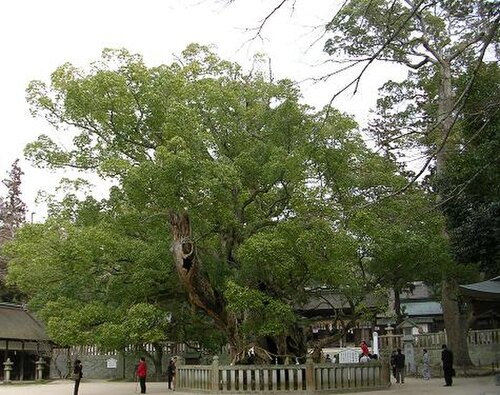
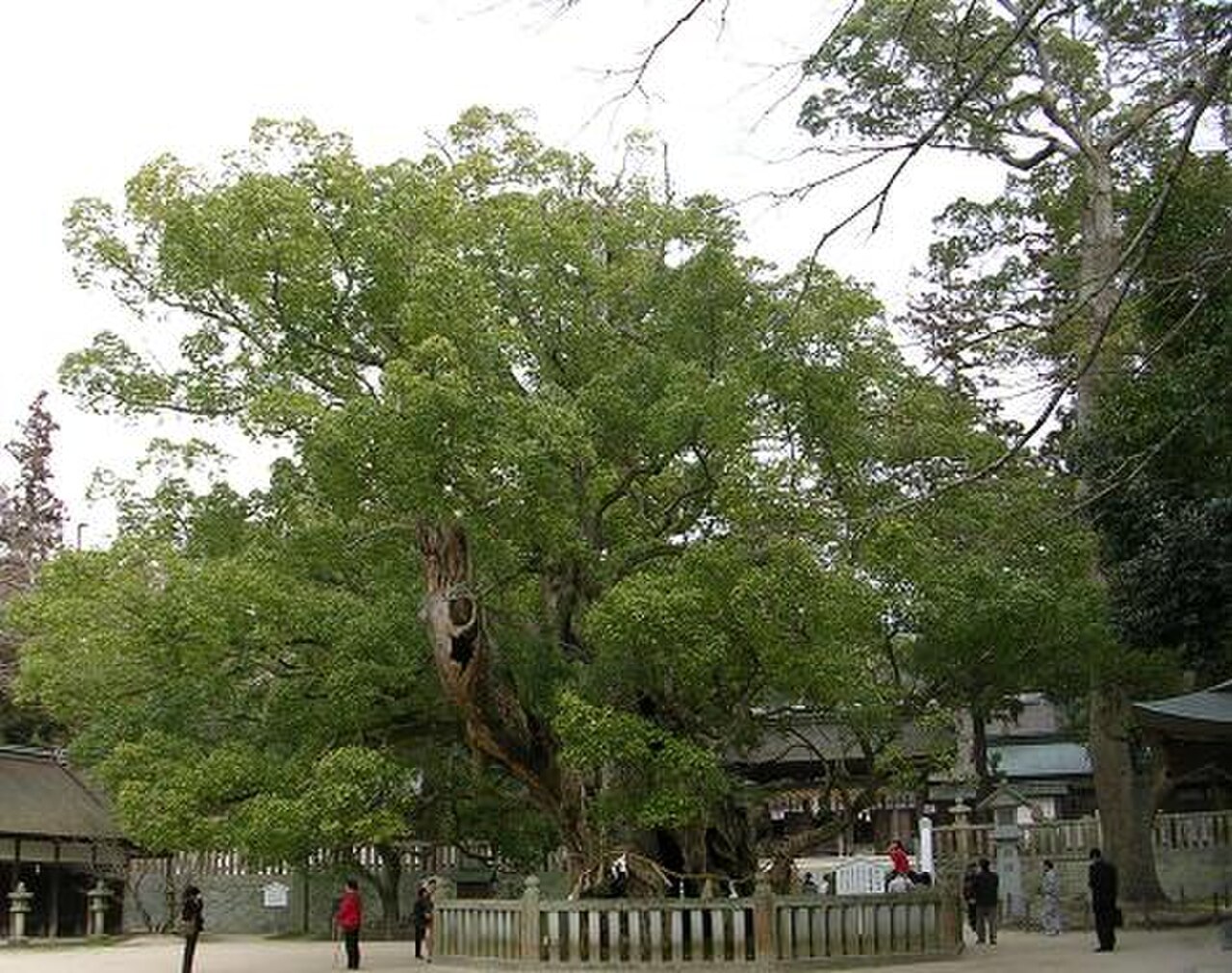
Licensed referenceWikimedia Commons / CC BY-SA 3.0 · cc-by-sa
—observations
—countries
—peak records
Least ConcernConservation statusIUCN Red List categoriesLCNTVUENCREWEXLeast ConcernRed List categories, explained →
Diet & prey
- Autotrophic (Photosynthetic)
Predators
Not available
ThreatsHabitat clearing in parts of native range; managed as invasive elsewhere
HabitatsSubtropical forests, riverbanks, urban areas, disturbed woodlands
Life span100–500+ years
Size / weightNot available
Classification
- OrderLaurales
- FamilyLauraceae
- GenusCinnamomum
- SpeciesCinnamomum camphora
Range data is not available yet.
Interaction riskHigh
- Low
- Moderate
- High
- Very high
- Why interaction risk is high
- Foliage and berries contain toxic camphor; wild berries have toxic look-alikes, so never ingest wild plant parts.
- Why it is dangerous
- Contains high levels of camphor terpenes that cause severe gastrointestinal distress, confusion, and potential neurological symptoms if ingested.
- How to recognize a risky encounter
- Recognized by pale gray bark that becomes deeply fissured with age, glossy oval leaves with three main veins, and a strong aromatic scent.
- What to do
- Safe to touch and crush leaves for identification, but keep all plant parts out of reach of children and pets.
Responsible observation
- Leaf Identification: Crush a fallen green leaf between your fingers to detect the sharp, distinctive camphor scent.
- Observing Seasonal Changes: Look for small, pale yellow blooms in spring followed by glossy black fruits in autumn.
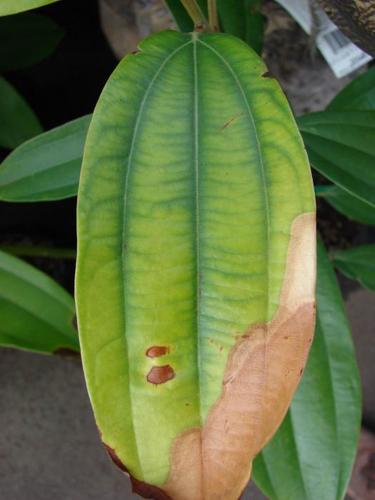
Close Relative (c) Forest & Kim Starr, some rights reserved (CC BY) · cc-by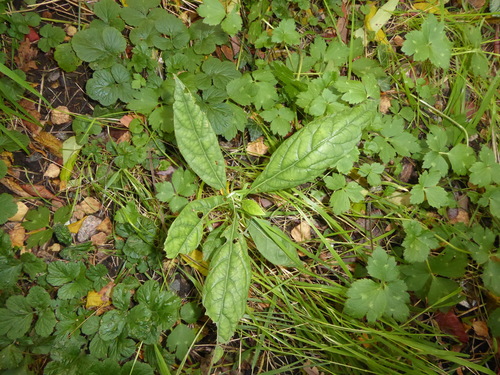
Family Member (c) jamie-aa, some rights reserved (CC BY) · cc-by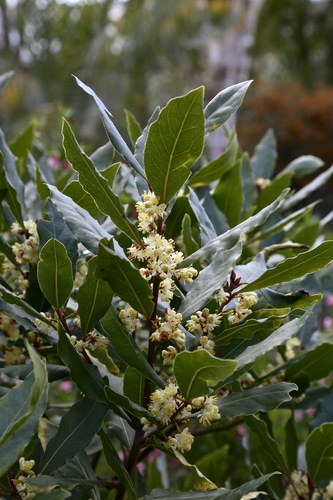
Family Member (c) Dr. Alexey Yakovlev, some rights reserved (CC BY-SA) · cc-by-sa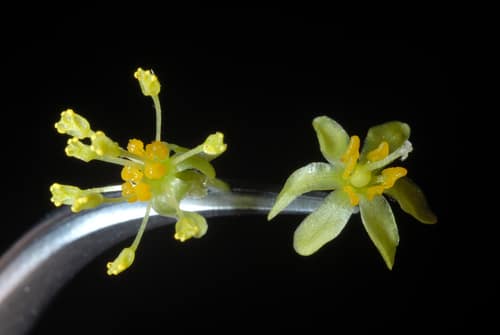
Family Member (c) Douglas Goldman, some rights reserved (CC BY-SA), uploaded by Douglas Goldman · cc-by-sa
Help improve the field guideSomething wrong?
Checking your Fauna account…Report a name, category, or profile issue for review.