
Plant
Japanese Barberry
Berberis thunbergiiAlso known as Thunberg's Barberry, Red Barberry
Japanese barberry forms dense, thorny thickets along woodland edges and forest understories, leafing out earlier in spring than most native shrubs. Bright red berries dangle along arching stems throughout autumn and winter, attracting fruit-eating birds that disperse seeds into surrounding habitats. Its dense canopy alters soil chemistry and creates humid microhabitats that harbor high populations of disease-carrying ticks.
InvasiveDeciduous ShrubRed Berries
—observations
—countries
—peak records
Not EvaluatedConservation statusIUCN Red List categoriesLCNTVUENCREWEXNot Evaluated — not placed on the risk ladderRed List categories, explained →
Diet & preySunlight, Water, Soil nutrients
Predators
- White-tailed deer
- Wild turkey
- Ruffed grouse
ThreatsTargeted mechanical removal, chemical herbicide control
HabitatsDeciduous forests, woodland margins, abandoned fields, roadsides
Life span20–50 years
Classification
- OrderRanunculales
- FamilyBerberidaceae
- GenusBerberis
- SpeciesBerberis thunbergii
Range data is not available yet.
Interaction riskLow
- Low
- Moderate
- High
- Very high
- Why interaction risk is low
- Wild berries have toxic look-alikes; never eat based on app identification alone.
Responsible observation
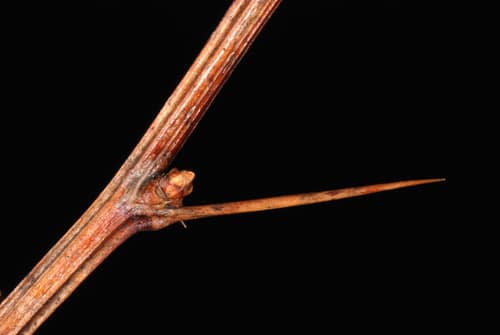
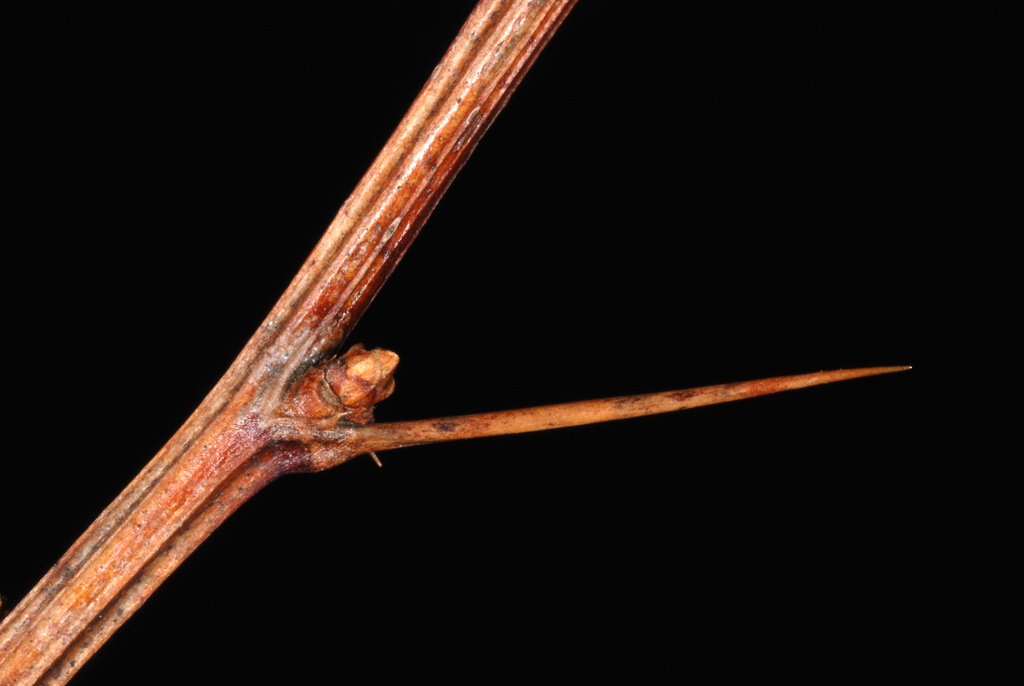
- Identification: Look for deeply grooved brown stems with single sharp spines at leaf nodes.
- Tick Protection: Tuck pants into socks and check thoroughly for ticks after passing through thickets.
- Landscaping Alternatives: Select non-invasive native shrubs like winterberry or spicebush for home gardens.
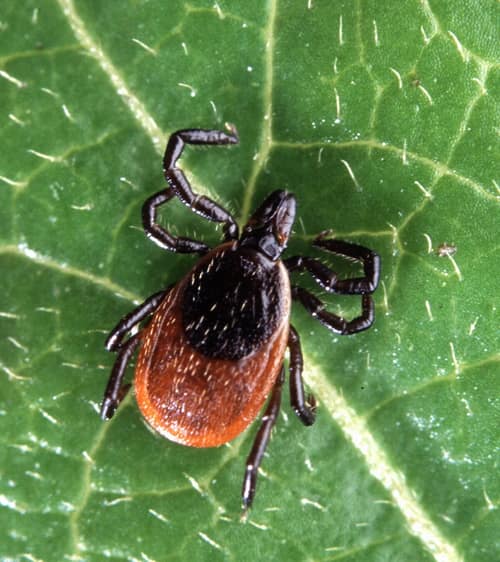
Frequent Companion Photo by Scott Bauer. / Public domain · cc0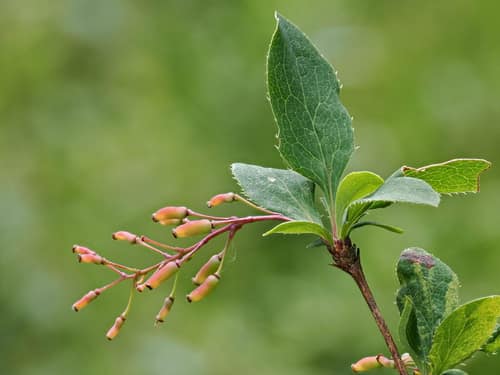
Close Relative (c) Gilles San Martin, some rights reserved (CC BY-SA), uploaded by Gilles San Martin · cc-by-sa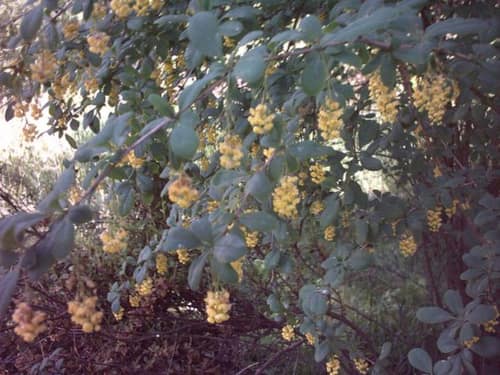
Native Relative Wikimedia Commons / CC BY-SA 3.0 · cc-by-sa
Help improve the field guideSomething wrong?
Checking your Fauna account…Report a name, category, or profile issue for review.