
Flower
Alpine Larkspur
Delphinium elatumAlso known as Alpine Delphinium, Bee Larkspur, Candle Larkspur
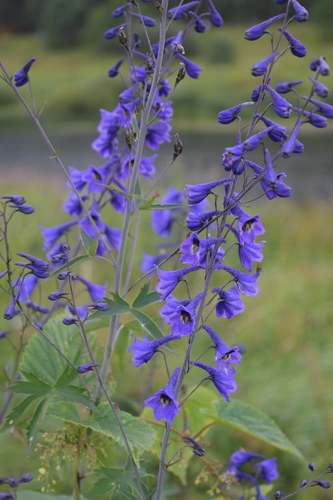
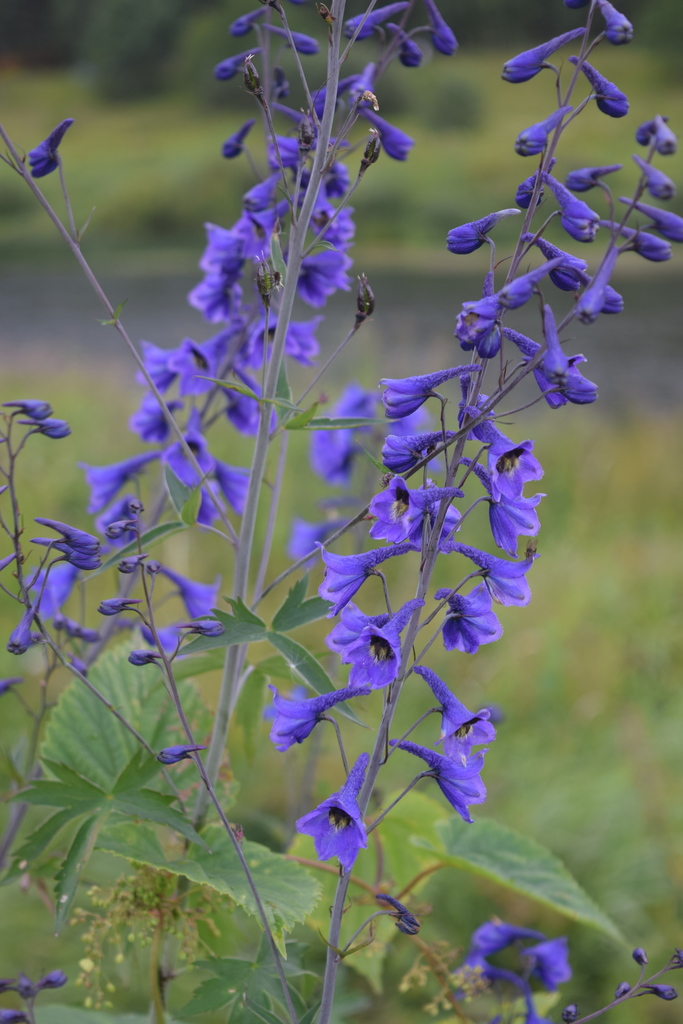
Alpine larkspurs produce striking, tower-like spires of deep blue and violet blossoms that draw heavy bumblebee traffic during midsummer. Their deeply lobed, palm-like leaves sprout from dense perennial crowns each spring, reaching impressive heights in moist mountain meadows. Every part of the plant contains dangerous norditerpenoid alkaloids, making it highly toxic to browsing mammals.
FloweringAlpineToxic Plant
—observations
—countries
—peak records
Least ConcernConservation statusIUCN Red List categoriesLCNTVUENCREWEXLeast ConcernRed List categories, explained →
Diet & preyAutotrophic
ThreatsOvergrazing, land development, climate shifts in alpine zones
HabitatsAlpine meadows, moist forest clearings, mountain streamsides
Life span10–20 years
Classification
- OrderRanunculales
- FamilyRanunculaceae
- GenusDelphinium
- SpeciesDelphinium elatum
Range data is not available yet.
Interaction riskHigh
- Low
- Moderate
- High
- Very high
- Why interaction risk is high
- All plant parts contain toxic alkaloids that cause severe poisoning if ingested; keep away from pets and livestock.
- Why it is dangerous
- Contains potent norditerpenoid alkaloids, particularly methyllycaconitine, which disrupt neuromuscular function and can cause respiratory failure.
- How to recognize a risky encounter
- Look for tall, dense towers of rich blue or purple spurred flowers rising above deeply cleft leaves.
- What to do
- Wear gloves when gardening around this plant, and ensure animals do not ingest any foliage.
Responsible observation
- Observation: Enjoy the vibrant flower spikes from a distance without picking stems or leaves.
- Pet Safety: Prevent livestock and dogs from grazing anywhere near wild or cultivated patches.
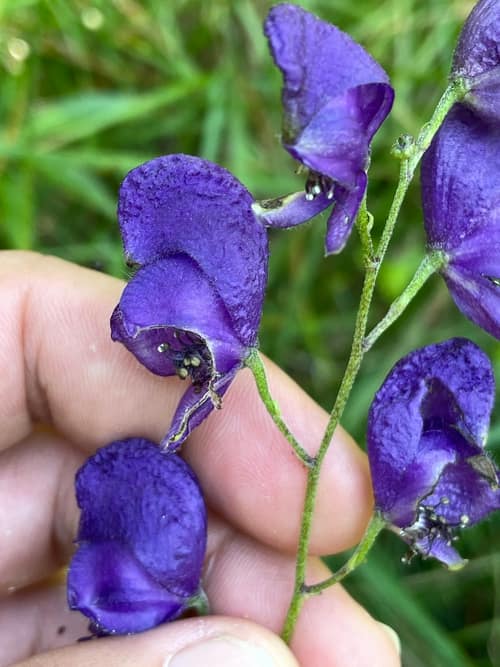
Co-occurring Member (c) Thomas Ebner, some rights reserved (CC BY), uploaded by Thomas Ebner · cc-by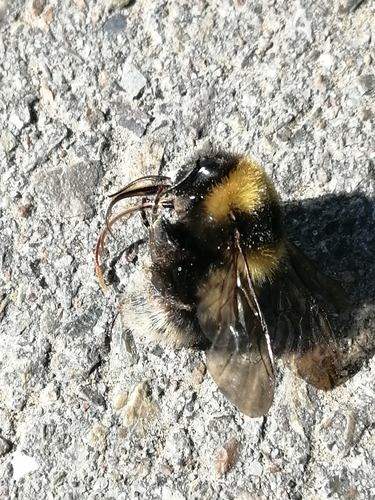
Pollinator (c) Roman A. Lagazyuk (Роман А. Лагазюк), some rights reserved (CC BY) · cc-by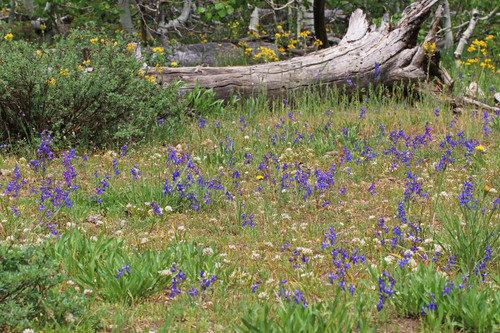
North American Kin (c) Andrey Zharkikh, some rights reserved (CC BY) · cc-by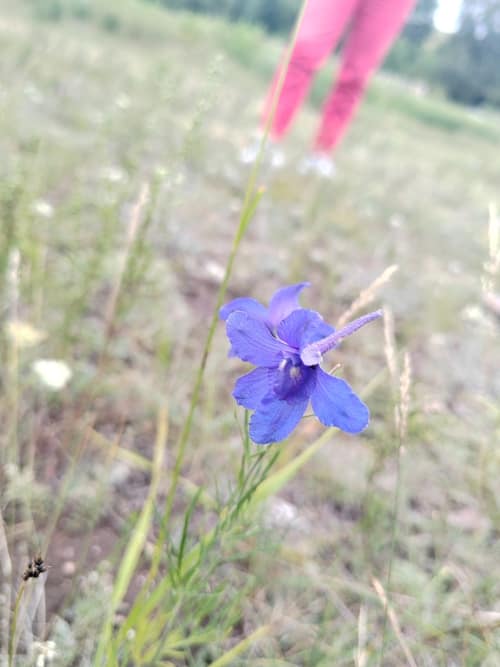
Close Relative (c) Ульяна Ярцева, some rights reserved (CC BY) · cc-by
Help improve the field guideSomething wrong?
Checking your Fauna account…Report a name, category, or profile issue for review.