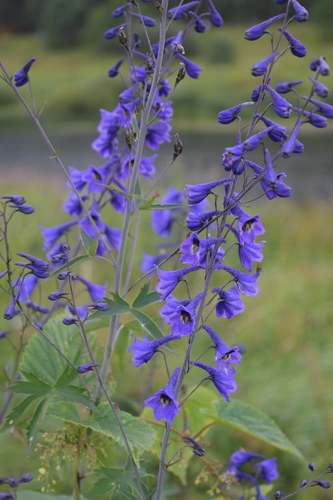
Also known as Chinese Aconite, Carmichael's Monkshood, Chinese Wolfsbane
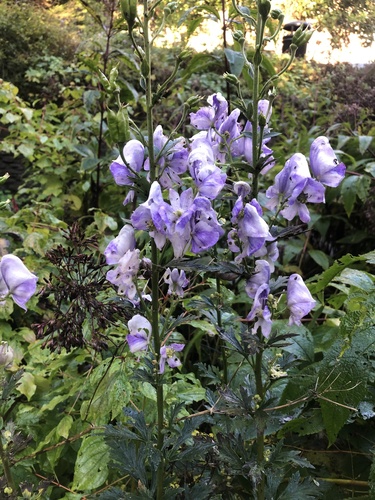
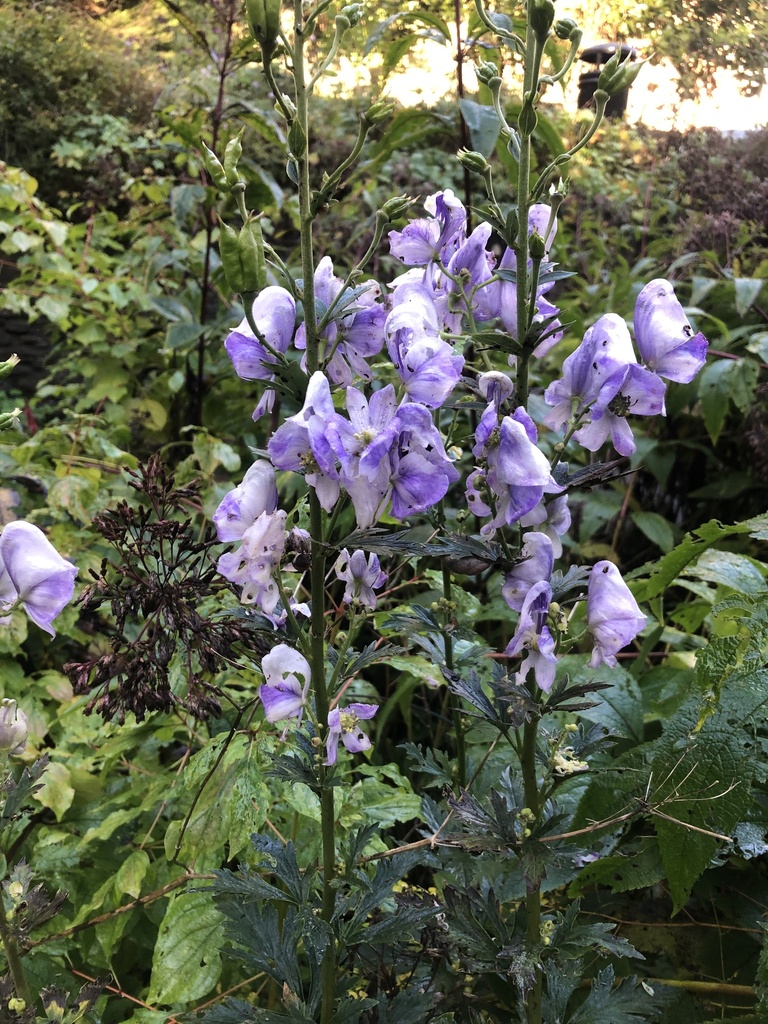
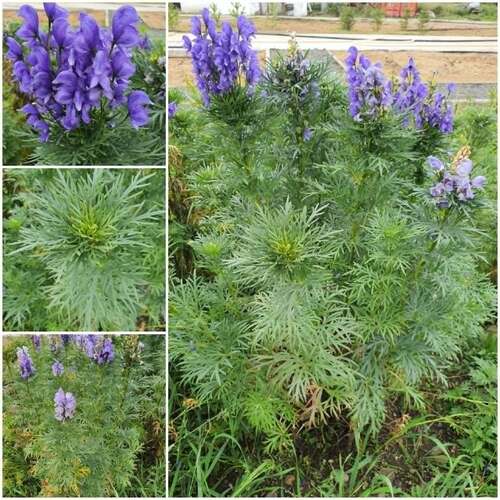
Azure Monkshood rises along mountain slopes and forest margins in late summer, producing dense spires of striking, helmet-shaped blue-purple flowers that attract specialized bumblebee pollinators. Below ground, the plant develops fleshy tuberous roots laden with highly toxic diterpene alkaloids that protect it from most mammalian herbivores. Widely grown in ornamental gardens and used in traditional Asian medicine following rigorous detoxifying preparation, all wild tissues remain intensely hazardous if touched or consumed.
Not EvaluatedConservation statusIUCN Red List categoriesLCNTVUENCREWEXNot Evaluated — not placed on the risk ladderRed List categories, explained →
Key facts
Diet & prey
Photosynthetic
ThreatsOverharvesting for wild herbal trade and localized habitat disturbance
HabitatsMountain slopes, forest edges, valleys, and stream banks
Life spanPerennial (indefinite via root tubers)
Classification
OrderRanunculales
FamilyRanunculaceae
GenusAconitum
SpeciesAconitum carmichaelii
Range & activity
Range data is not available yet.
Safe observation
Interaction riskHigh
Low
Moderate
High
Very high
Why interaction risk is high
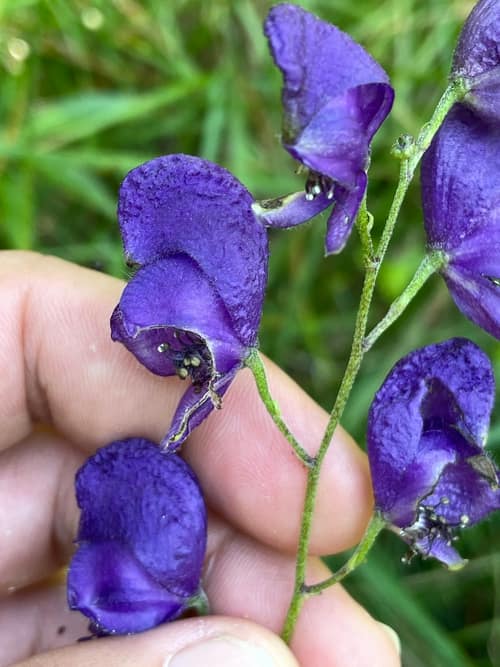
All parts contain lethal aconitine alkaloids that absorb through skin; never handle barehanded or ingest.
Why it is dangerous
Contains potent neurotoxins and cardiotoxins including aconitine, which rapidly cause numbness, nausea, severe cardiac arrhythmias, and respiratory arrest.
How to recognize a risky encounter
Look for distinct hooded, helmet-shaped violet-blue blossoms clustered atop stout stems with deeply lobed, palmately divided leaves.
What to do
Never touch with bare hands, keep pets and children away, and seek emergency medical assistance immediately if ingested or skin absorption occurs.
Responsible observation
Wear Gloves: Always use thick, impermeable gloves when weeding, dividing, or trimming near this plant.
Wash Thoroughly: Immediately scrub any skin that brushes against damaged foliage or sap with warm soapy water.
Admire at Distance: Photograph the vibrant autumn blooms without snapping stems or touching the sap.