Also known as Cutleaf Anemone, Spreading Pasqueflower, Wild Crocus
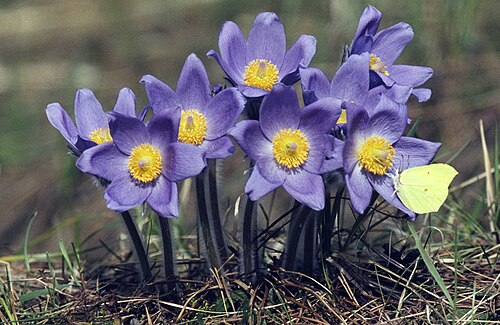
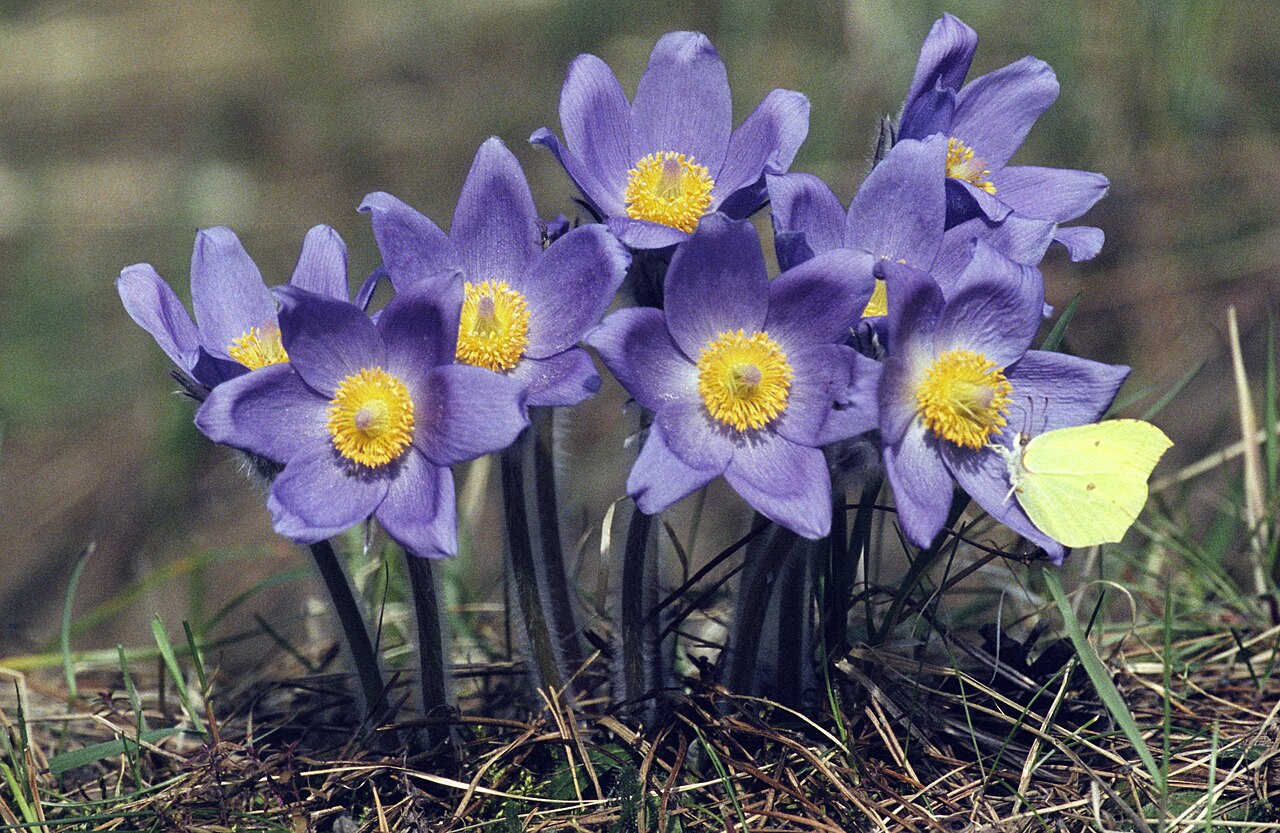
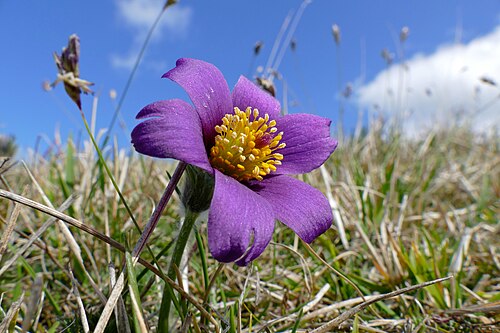
Densely cloaked in silky hairs that trap heat against sub-zero spring winds, this early perennial bursts through thawing steppe and open pine clearings before its leaves fully unfold. The bell-shaped purple to lavender blooms track the sun across the sky via heliotropism, concentrating warmth at the center to incubate developing seeds and attract chilled pollinators. As petals drop, the styles elongate into feather-like, plumose seedheads that ride late spring gusts across open landscapes.
HabitatsDry grasslands, sandy pine barrens, rocky slopes, steppe
Life span10–30 years
Classification
OrderRanunculales
FamilyRanunculaceae
GenusPulsatilla
SpeciesPulsatilla patens
Range & activity
Range data is not available yet.
Safe observation
Interaction riskHigh
Low
Moderate
High
Very high
Why interaction risk is high
Contains protoanemonin that causes blistering and digestive irritation; do not handle crushed tissue or ingest.
Why it is dangerous
Bruised tissues release ranunculin, converting into volatile protoanemonin that causes painful skin blistering and severe gastrointestinal inflammation if ingested.
How to recognize a risky encounter
Look for solitary six-sepaled lavender flowers enveloped in woolly, silky hairs over deeply dissected foliage.
What to do
Enjoy observing the flowers without picking them, and avoid contact with the sap.
What to notice
Recognize these early purple blossoms in undisturbed, sandy pine-heath clearings and calcareous meadows.
Support conservation
Remain on designated trails and never collect seeds or dig up wild rootstocks.
Responsible observation
Spring Scouting: Search sunny, south-facing sandy slopes and steppe margins between March and May for emerging blooms.
Seed Photography: Return several weeks after flowering to photograph the translucent, feathery seed clusters glowing in low sunlight.