
Plant
Virgin's-bower
Clematis virginianaAlso known as Devil's Darning Needles, Wild Clematis, Woodbine
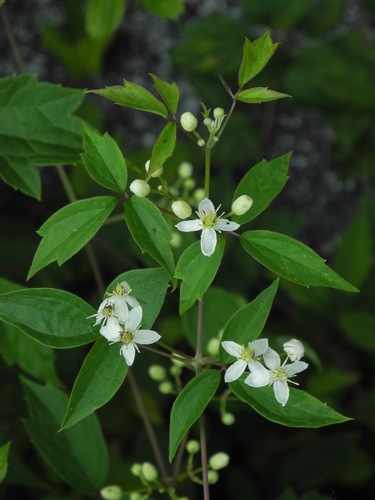
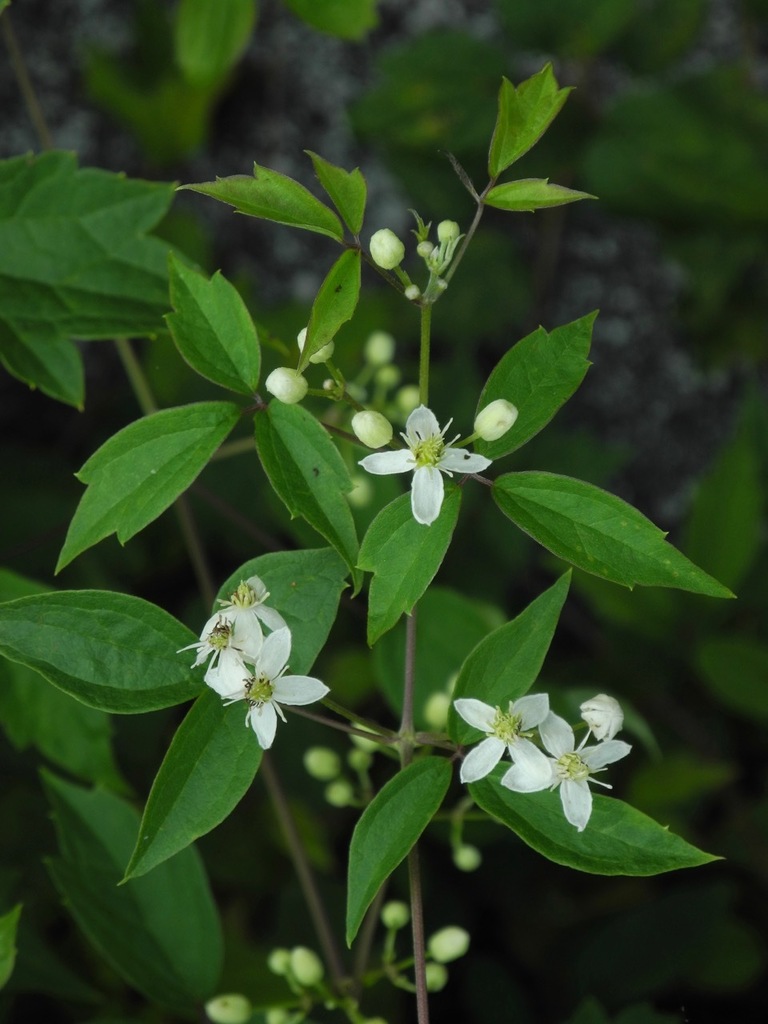
Virgin's-bower is a vigorous climbing vine that scrambles over stream bank thickets and fencerows, anchoring itself by twining its leaf petiolules around nearby vegetation. In late summer, sprays of frothy white blossoms yield feathery, silken seed clusters that persist well into winter, catching the wind for seed dispersal. Like many members of the buttercup family, its tissues contain chemical defenses that deter most grazing animals.
Climbing VineNative WildflowerLate Bloomer
—observations
—countries
—peak records
Least ConcernConservation statusIUCN Red List categoriesLCNTVUENCREWEXLeast ConcernRed List categories, explained →
Diet & preyAutotrophic (photosynthetic)
Predators
- Clematis blister beetle
- White-tailed deer
- Stem-boring moth larvae
ThreatsHabitat clearing and competition from invasive non-native vines
HabitatsMoist thickets, stream banks, woodland margins, and roadside ditches
Life spanPerennial (15–25 years)
Classification
- OrderRanunculales
- FamilyRanunculaceae
- GenusClematis
- SpeciesClematis virginiana
Range data is not available yet.
Interaction riskHigh
- Low
- Moderate
- High
- Very high
- Why interaction risk is high
- Sap can irritate skin and tissues are toxic if ingested; wear gloves when handling.
- Why it is dangerous
- Contains ranunculin, which breaks down into irritating protoanemonin, causing blistering of the skin and severe oral pain if ingested.
- How to recognize a risky encounter
- Recognized by three toothed leaflets, woody climbing stems, and showy white late-summer flowers.
- What to do
- Wear gloves when pruning or clearing the vine, and wash skin thoroughly with soap and water after contact.
Responsible observation
- Identification: Count three coarsely toothed leaflets to rule out similar invasive clematis species.
- Cultivation: Plant along fences in damp, sunny locations to provide pollinator cover.
- Handling: Wear garden gloves to avoid contact dermatitis from crushed leaves and sap.
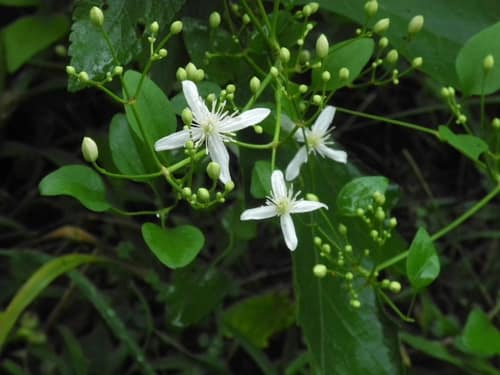
Invasive Look-alike (c) Michael J. Papay, some rights reserved (CC BY), uploaded by Michael J. Papay · cc-by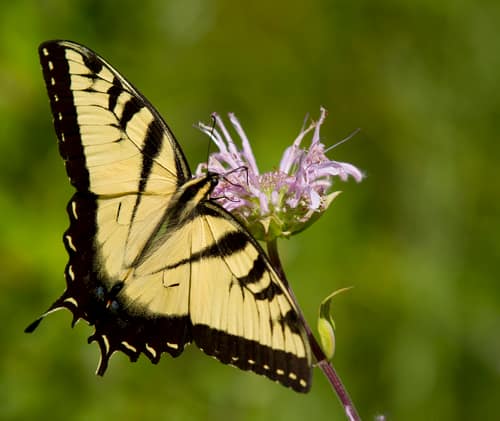
Pollinator "Eastern Tiger Swallowtail" by ShenandoahNPS is marked with Public Domain Mark 1.0. To view the terms, visit https://creativecommons.org/publicdomain/mark/1.0/. · cc0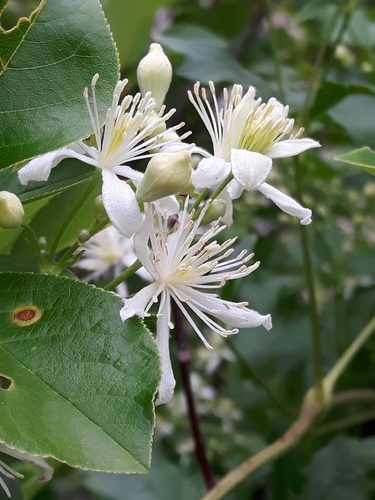
Close Relative (c) Peter L Achuff, some rights reserved (CC BY), uploaded by Peter L Achuff · cc-by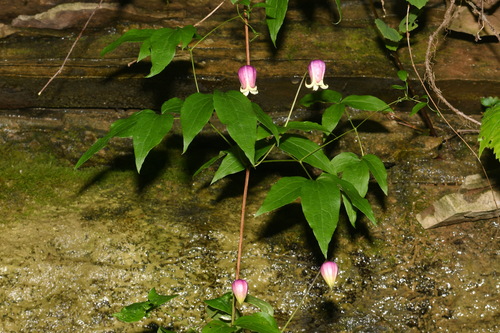
Close Relative (c) Brian Finzel, some rights reserved (CC BY-SA) · cc-by-sa
Help improve the field guideSomething wrong?
Checking your Fauna account…Report a name, category, or profile issue for review.