
Plant · GBIF taxon 3033197
Red Columbine
Aquilegia canadensisAlso known as Canada Columbine, Eastern Red Columbine, Wild Columbine
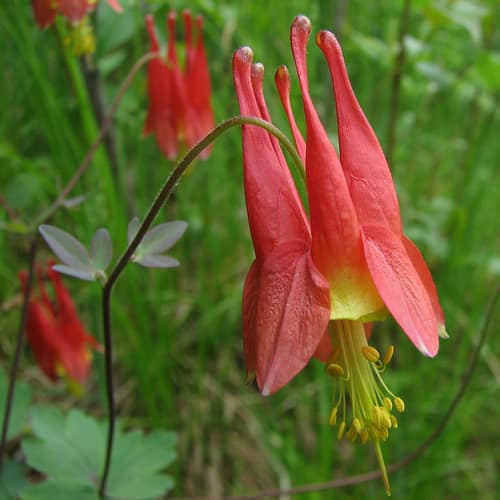
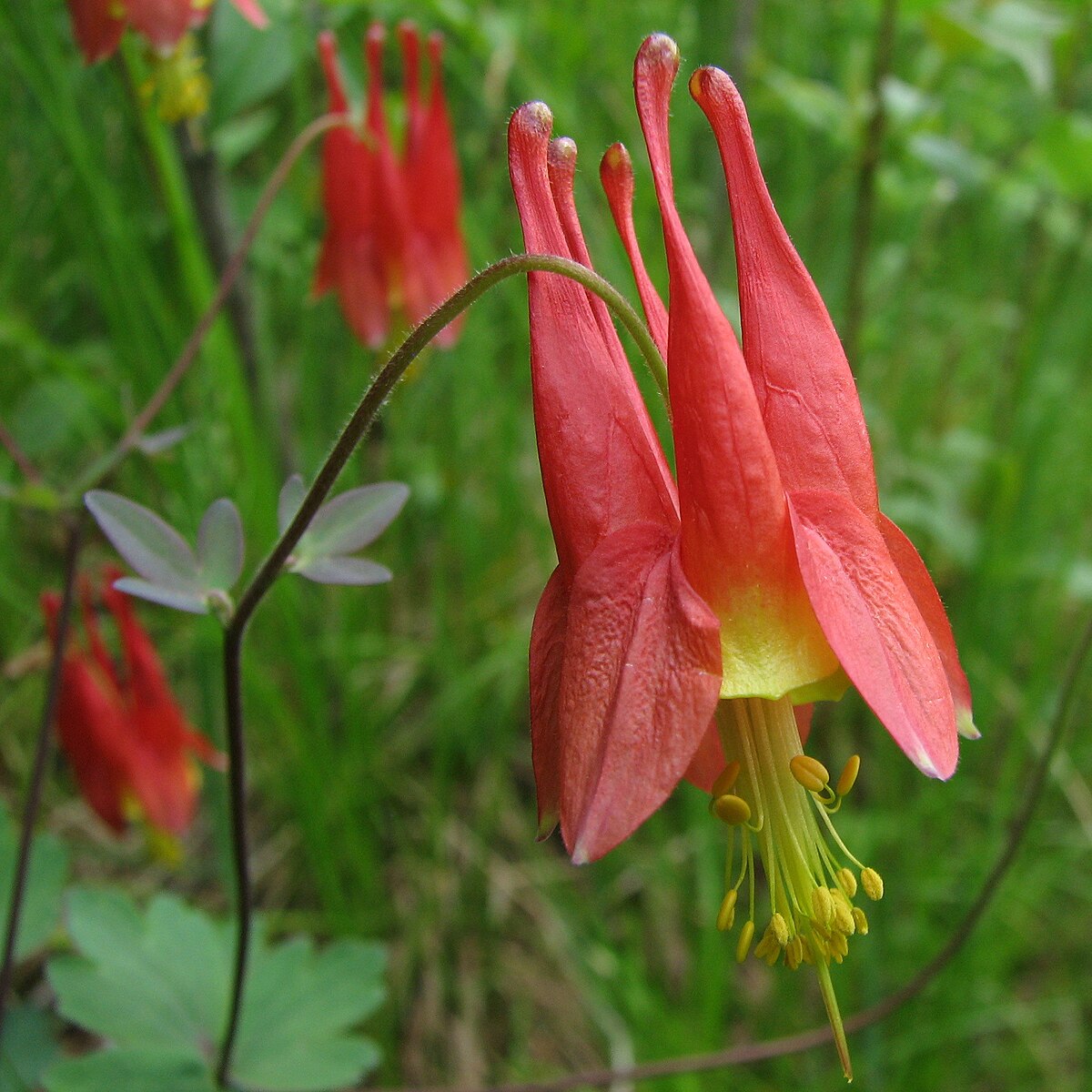
Red columbine is a delicate woodland perennial with nodding red and yellow flowers held above divided blue-green leaves. Its backward-pointing floral spurs are adapted to long-tongued pollinators, especially hummingbirds.
wildflowerwoodlandhummingbird pollinated
—observations
—countries
—peak records
Not EvaluatedConservation statusIUCN Red List categoriesLCNTVUENCREWEXNot Evaluated — not placed on the risk ladderRed List categories, explained →
Diet & prey
- Produces energy through photosynthesis and draws water and minerals through perennial roots
Predators
- deer
- leaf-mining insects
- aphids
ThreatsHabitat disturbance, browsing, trampling, and collection from wild populations
HabitatsRocky woods, shaded ledges, slopes, and well-drained forest openings
Life spanA short-lived perennial that commonly persists for several growing seasons
Size / weightNot available
Classification
- OrderRanunculales
- FamilyRanunculaceae
- GenusAquilegia
- SpeciesAquilegia canadensis
Range data is not available yet.
Interaction riskHigh
- Low
- Moderate
- High
- Very high
- Why interaction risk is high
- Plant tissues may be harmful if swallowed; keep them away from children and pets.
- Why it is dangerous
- Several columbine tissues contain compounds that can cause illness when consumed in quantity.
- How to recognize a risky encounter
- Confirm the divided rounded leaves and distinctive red-and-yellow spurred flowers before any close handling.
- What to do
- Do not taste wild plants; wash hands after gardening and prevent children or pets from chewing them.
Responsible observation
- Observe: Enjoy flowers in place and leave roots and seed heads undisturbed.
- Identify: Look for nodding red sepals, yellow petals, and long red spurs.
Help improve the field guideSomething wrong?
Checking your Fauna account…Report a name, category, or profile issue for review.