
Plant · GBIF taxon 3033169
Western Columbine
Aquilegia formosaAlso known as Crimson Columbine, Sitka Columbine
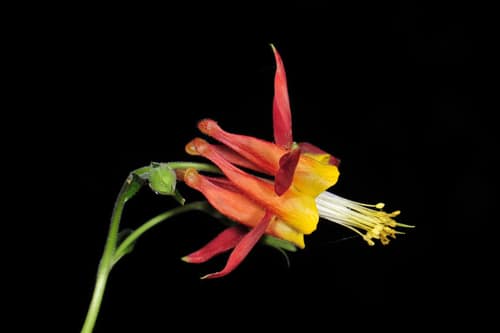
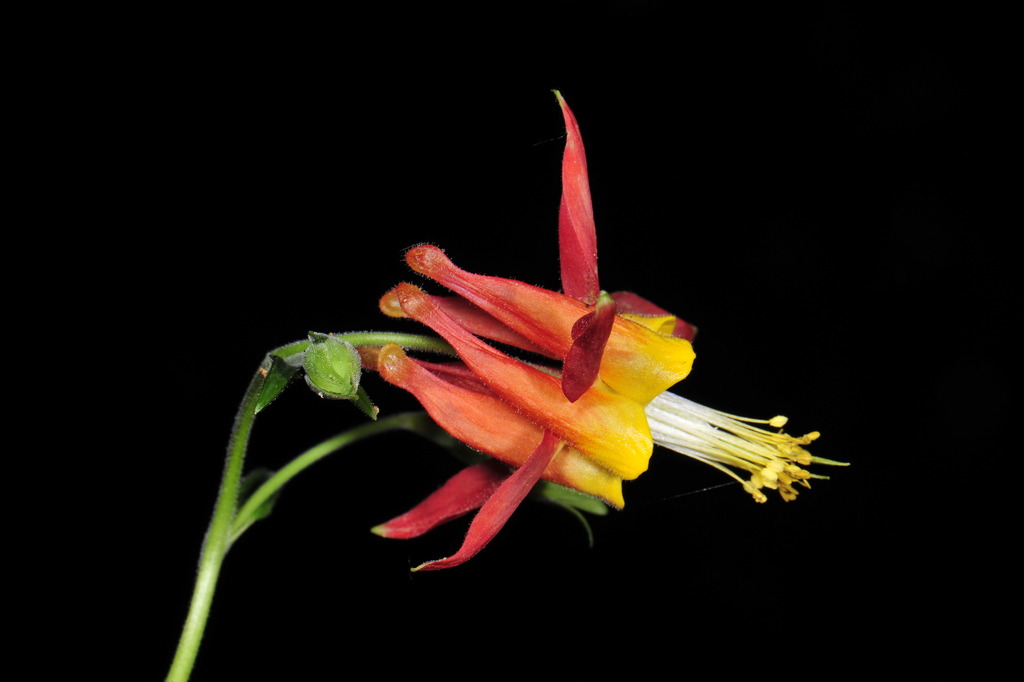
Western columbine bears nodding red-and-yellow flowers with long backward-pointing spurs above divided blue-green leaves. The perennial grows from a persistent crown in moist western forests, seeps, and mountain openings.
native wildflowerspurred flowershummingbird plant
 1 / 7
1 / 7—observations
—countries
—peak records
Not EvaluatedConservation statusIUCN Red List categoriesLCNTVUENCREWEXNot Evaluated — not placed on the risk ladderRed List categories, explained →
Diet & prey
- Produces energy through photosynthesis and obtains soil nutrients through its roots
Predators
- aphids
- leaf miners
- slugs
ThreatsTrampling, wild collection, altered water flow, drought, and habitat disturbance
HabitatsMoist woodland, streambanks, seeps, meadows, rocky slopes, and forest openings
Life spanA perennial herb that can return from its crown for many years
Size / weightNot available
Classification
- FamilyRanunculaceae
- SpeciesAquilegia formosa
Range data is not available yet.
Interaction riskHigh
- Low
- Moderate
- High
- Very high
- Why interaction risk is high
- Columbine tissues contain bioactive compounds; do not ingest any part of a wild plant.
- Why it is dangerous
- Aquilegia tissues contain compounds that may cause illness when eaten in sufficient quantity.
- How to recognize a risky encounter
- Confirm the divided leaves and distinctive red-and-yellow spurred flowers before recording an identification.
- What to do
- Leave the plant untouched, prevent children and pets from tasting it, and wash after accidental contact.
Responsible observation
- Identify: Look for nodding red sepals surrounding yellow petals and long spurs.
- Protect: Photograph flowers without picking them or trampling the moist rooting area.
Help improve the field guideSomething wrong?
Checking your Fauna account…Report a name, category, or profile issue for review.