
Plant
Japanese Aucuba
Aucuba japonicaAlso known as Spotted Laurel, Japanese Laurel, Gold Dust Plant
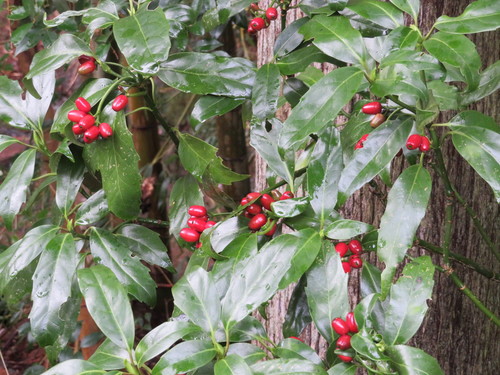
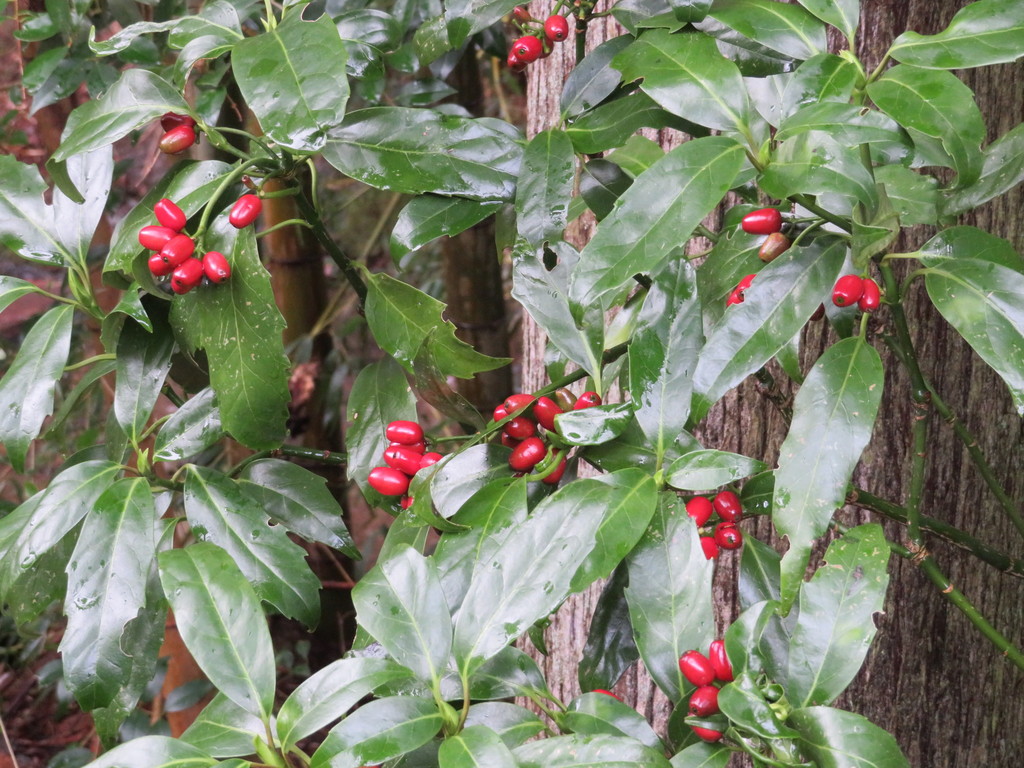
Japanese aucuba thrives in deep shade beneath mature forest canopies, producing leathery evergreen foliage that resists heavy deer browsing. Because it is dioecious, female plants require a nearby male pollinator to produce the bright scarlet drupes that ripen in autumn and linger into winter. Cultivated globally for its hardy nature, many urban plantings feature variegated cultivars speckled with golden-yellow spots.
EvergreenShade TolerantOrnamental
—observations
—countries
—peak records
Least ConcernConservation statusIUCN Red List categoriesLCNTVUENCREWEXLeast ConcernRed List categories, explained →
Diet & preyPhotoautotrophic
Predators
- Scale insects
- Spider mites
- Snails
ThreatsFungal leaf spot, root rot in waterlogged soils, and scale insect infestations
HabitatsMoist temperate valleys, ravine forests, stream banks, and shaded gardens
Life span20–50 years
Classification
- OrderGarryales
- FamilyGarryaceae
- GenusAucuba
- SpeciesAucuba japonica
Range data is not available yet.
Interaction riskHigh
- Low
- Moderate
- High
- Very high
- Why interaction risk is high
- Berries and foliage are toxic if ingested; never eat wild berries based on app identification alone.
- Why it is dangerous
- Contains aucubin, an iridoid glycoside that induces nausea, vomiting, abdominal cramps, and diarrhea when ingested in quantity.
- How to recognize a risky encounter
- Recognized by glossy opposite leaves with coarsely toothed margins and clusters of glossy oval red berries on female shrubs.
- What to do
- Do not consume any part of the plant and teach children not to pick or eat the bright red berries.
Responsible observation
- Garden Placement: Plant in full to partial shade, as strong direct sunlight scorches the glossy leaves.
- Sex Identification: Look for small male blossoms with prominent yellow anthers versus female flower ovaries.
- Handling Precautions: Wash hands after pruning stems and keep fallen berries away from curious pets.
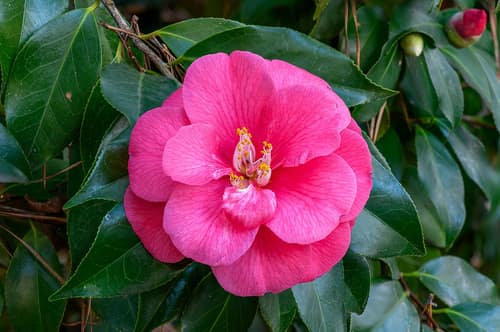
Frequent Companion PumpkinSky / CC BY-SA 3.0 · cc-by-sa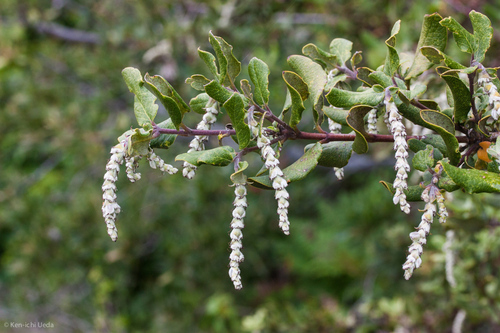
Family Relative (c) Ken-ichi Ueda, some rights reserved (CC BY), uploaded by Ken-ichi Ueda · cc-by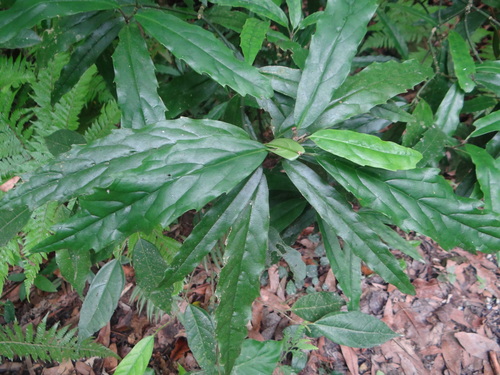
Close Relative (c) 呂一起(Lyu yi-chi), some rights reserved (CC BY) · cc-by
Help improve the field guideSomething wrong?
Checking your Fauna account…Report a name, category, or profile issue for review.