
Plant · GBIF taxon 3032986
American Persimmon
Diospyros virginianaAlso known as Common Persimmon, Eastern Persimmon, Possumwood, Sugar Plum
American persimmon trees anchor eastern hardwood forests, producing dense heartwood and bright orange autumn fruits that persist long after leaves drop. Possessing distinct deeply furrowed bark resembling charred wooden blocks, mature trees thrive in a wide range of soil conditions from alluvial floodplains to dry upland ridges. Opossums, raccoons, and white-tailed deer feast on the fallen autumn harvest, aiding seed dispersal across native ranges.
DeciduousNative TreeWildlife Food
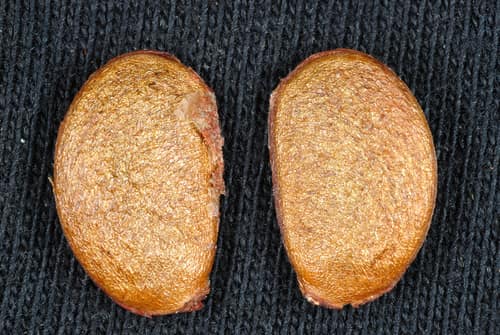
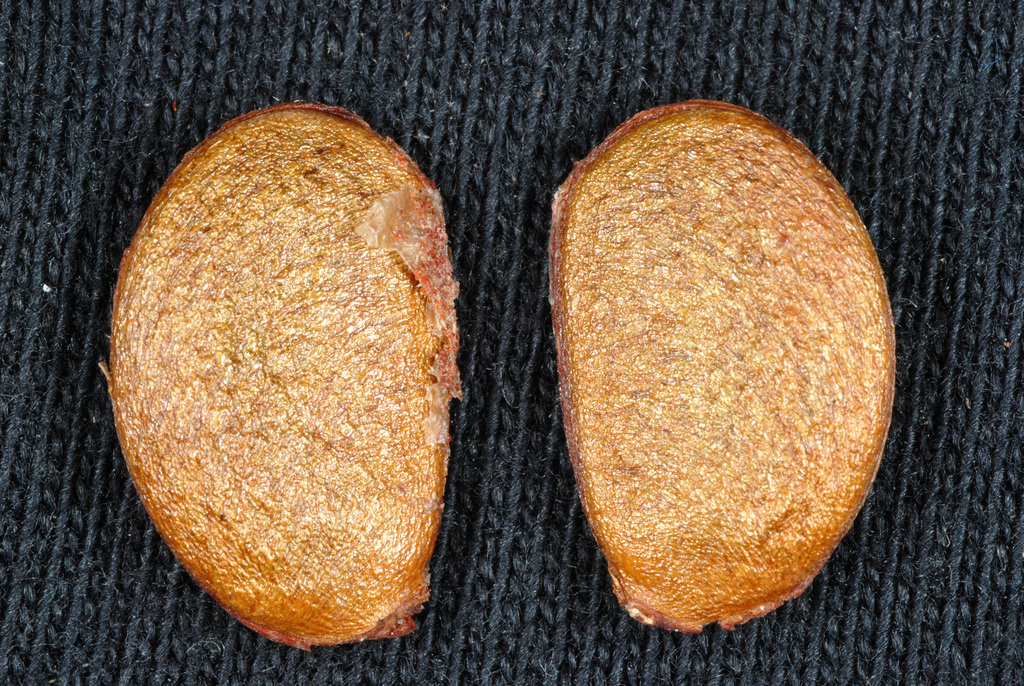 1 / 7
1 / 7—observations
—countries
—peak records
Least ConcernConservation statusIUCN Red List categoriesLCNTVUENCREWEXLeast ConcernRed List categories, explained →
Diet & prey
- Photosynthetic
Predators
- White-tailed Deer
- Opossum
- Raccoon
ThreatsHabitat clearance and persimmon wilt fungal disease
HabitatsHardwood forests, abandoned fields, floodplains, fence rows
Life span100–150 years
Size / weightNot available
Classification
- OrderEricales
- FamilyEbenaceae
- GenusDiospyros
- SpeciesDiospyros virginiana
Range data is not available yet.
Interaction riskLow
- Low
- Moderate
- High
- Very high
- Why interaction risk is low
- Wild fruits have toxic look-alikes; never eat wild fruits based on app identification alone.
Responsible observation
- Bark Identification: Look for deeply checkered, dark grey to black bark that breaks into thick square tiles.
- Autumn Observation: Look for orange orb-shaped fruit remaining attached after the leaves drop in late autumn.
- Wildlife Tracking: Scan the ground beneath female trees in autumn to spot tracks of visiting mammals.
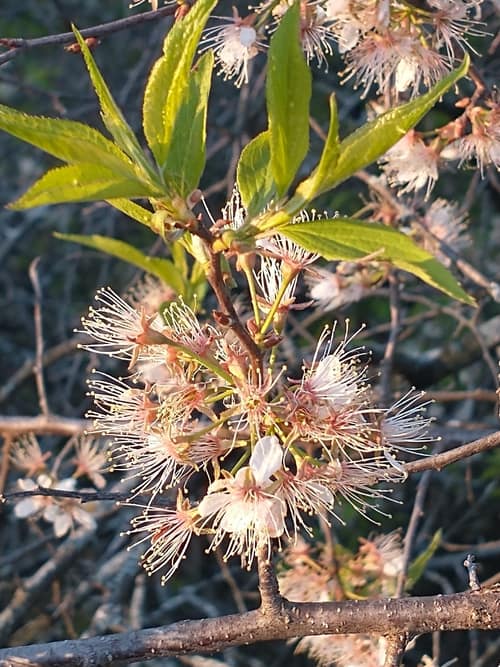
Habitat Companion (c) Tom Norton, some rights reserved (CC BY) · cc-by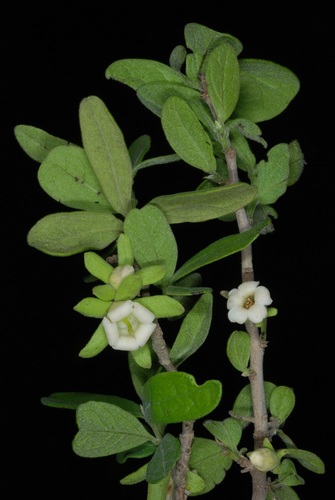
Close Relative (c) Douglas Goldman, some rights reserved (CC BY-SA), uploaded by Douglas Goldman · cc-by-sa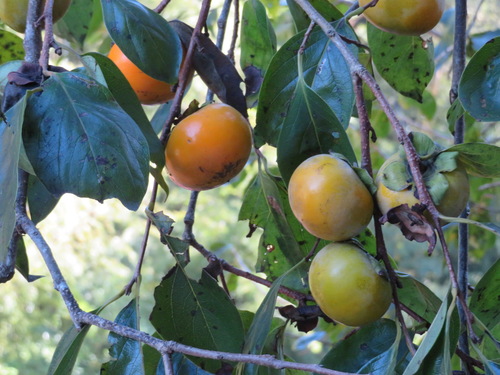
Cultivated Relative (c) Marco Mussita, some rights reserved (CC BY), uploaded by Marco Mussita · cc-by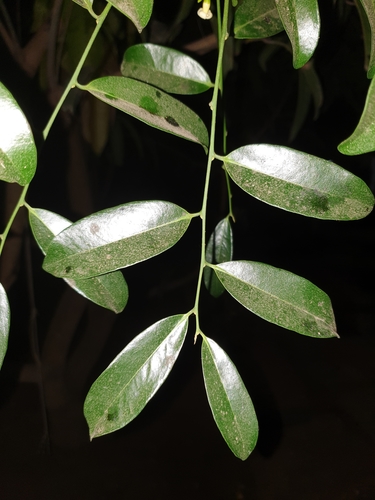
Close Relative (c) Aravinth, some rights reserved (CC BY), uploaded by Aravinth · cc-by
Help improve the field guideSomething wrong?
Checking your Fauna account…Report a name, category, or profile issue for review.