
Plant · GBIF taxon 3032984
Japanese Persimmon
Diospyros kakiAlso known as Oriental Persimmon, Chinese Persimmon, Kaki Persimmon
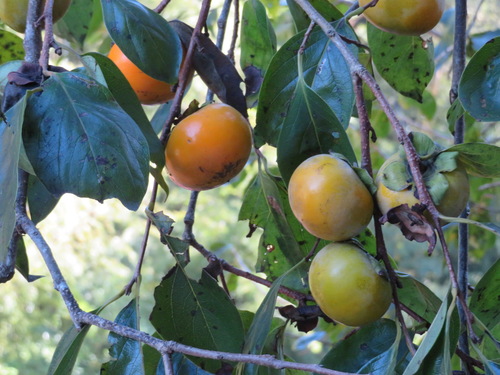
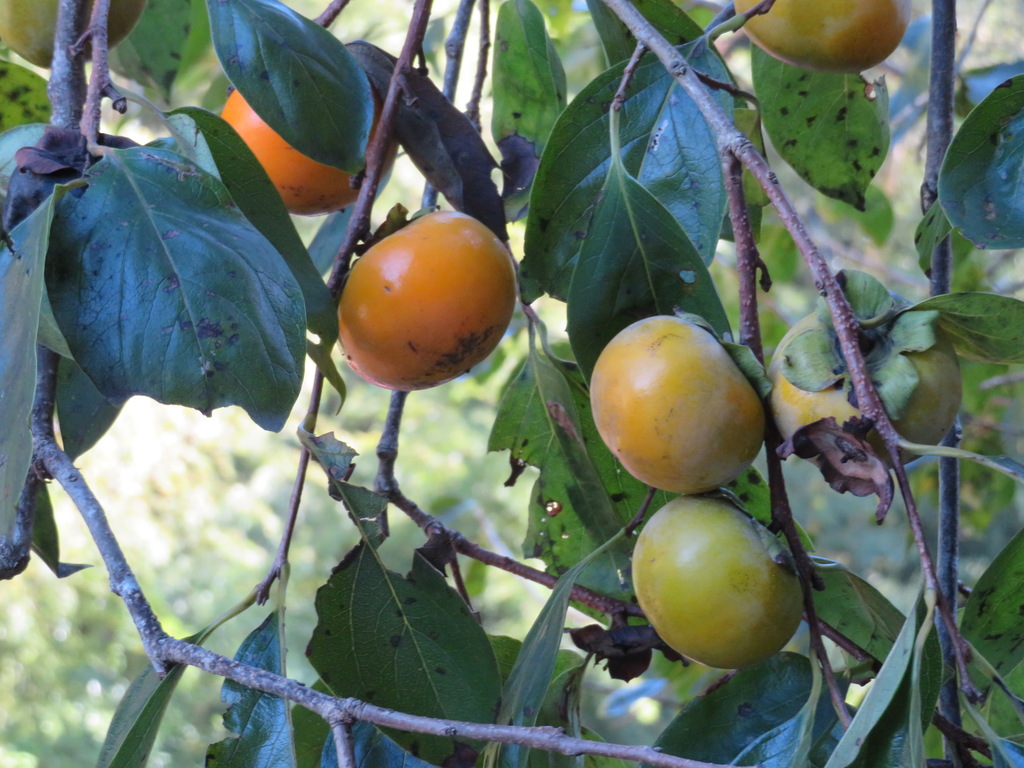
Japanese persimmon trees shed their broad, glossy foliage in autumn to reveal bright orange, lantern-like globes that cling to bare branches well into winter. The flowers are typically unisexual and rely on bees for pollination, though several cultivated strains set seedless crops parthenocarpically. In East Asian woodland borders and agricultural valleys, the persistent canopy fruits provide critical cold-season nourishment for frugivorous thrushes, corvids, and wintering mammals.
DeciduousFruit-BearingOrnamental
 1 / 7
1 / 7—observations
—countries
—peak records
Least ConcernConservation statusIUCN Red List categoriesLCNTVUENCREWEXLeast ConcernRed List categories, explained →
Diet & prey
- Sunlight
- Water
- Soil nutrients
Predators
- White-tailed deer
- Brown marmorated stink bug
- Persimmon trunk borer
ThreatsFungal leaf blights, scale insect infestations, and clear-cutting of wild forests
HabitatsTemperate to subtropical forests, mountain foothills, valley slopes, and orchards
Life span50–100 years
Size / weightNot available
Classification
- OrderEricales
- FamilyEbenaceae
- GenusDiospyros
- SpeciesDiospyros kaki
Range data is not available yet.
Interaction riskLow
- Low
- Moderate
- High
- Very high
- Why interaction risk is low
- Wild fruits have toxic look-alikes; never eat wild fruit based on app identification alone.
Responsible observation
- Observing: Look for dramatic, leafless winter displays where vivid orange fruits stand out against bare grey branches.
- Identification: Check for thick, leathery leaves with a pale underside and four-lobed woody calyces on the fruits.
- Wildlife Watching: Watch for overwintering birds gathering on the crown during late autumn and early winter mornings.
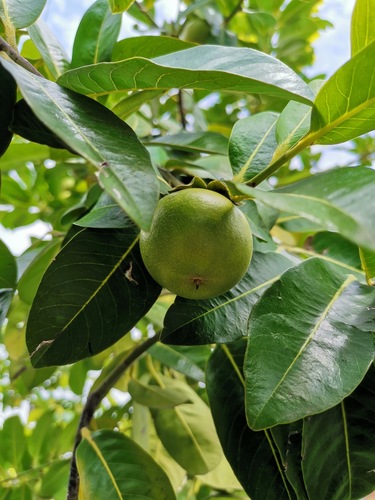
Same Genus (c) Oscar Alejandro Morales Juárez, some rights reserved (CC BY-SA) · cc-by-sa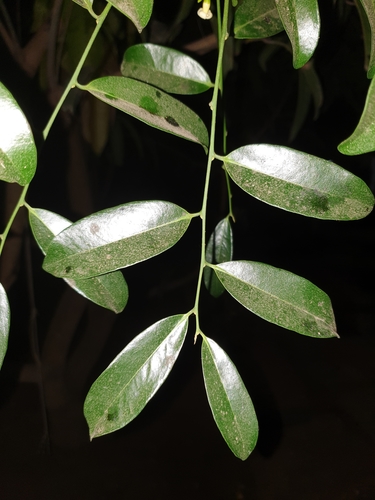
Same Genus (c) Aravinth, some rights reserved (CC BY), uploaded by Aravinth · cc-by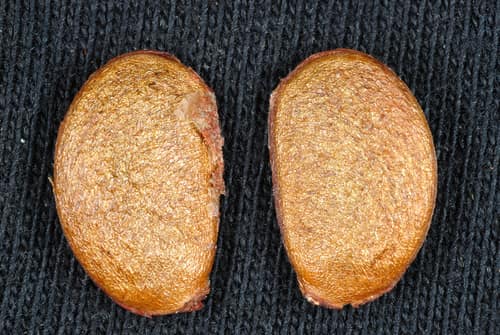
Close Relative (c) Douglas Goldman, some rights reserved (CC BY-SA), uploaded by Douglas Goldman · cc-by-sa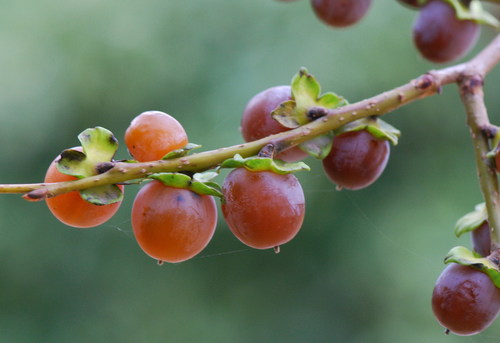
Close Relative (c) francis renaud, some rights reserved (CC BY) · cc-by
Help improve the field guideSomething wrong?
Checking your Fauna account…Report a name, category, or profile issue for review.