
Plant · GBIF taxon 3032585
Marsh Grass-of-Parnassus
Parnassia palustrisAlso known as Northern Grass-of-Parnassus, Bog Star, Grass-of-Parnassus
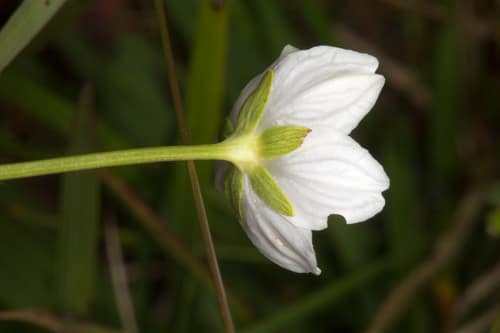
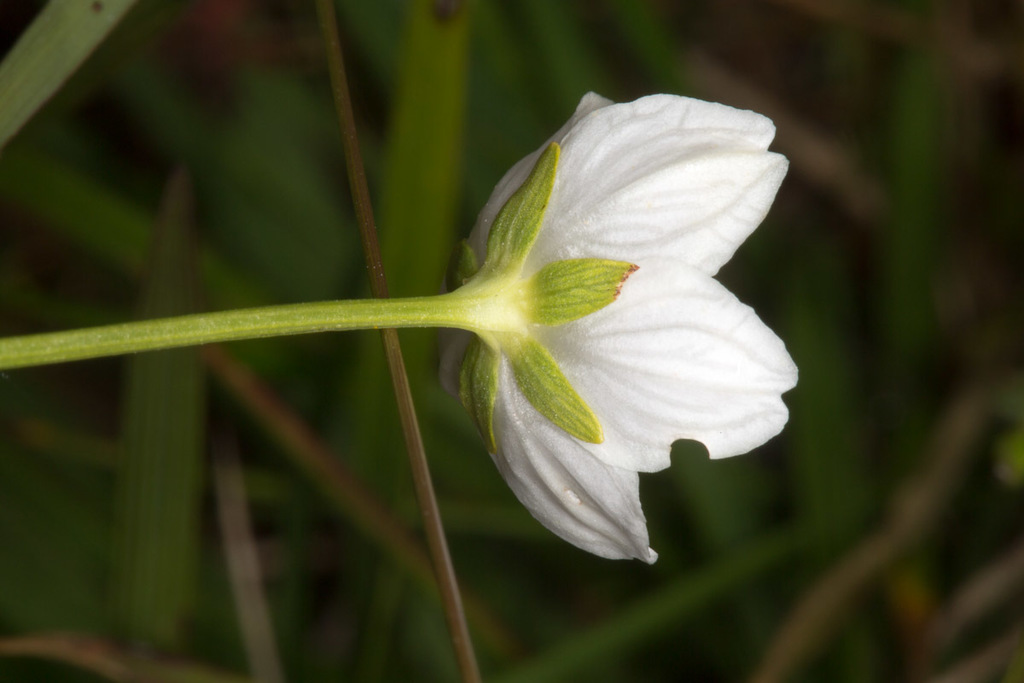
Marsh grass-of-Parnassus produces solitary, star-like white blossoms lined with distinctive translucent green veins. Each flower features specialized sterile stamens tipped with shiny yellow knobs that visually mimic drops of nectar to attract pollinating flies and bees. This perennial wildflower thrives in cold, wet habitats across northern regions, including fens, bogs, and damp mountain slopes.
FloweringWetlandAlpine
 1 / 7
1 / 7—observations
—countries
—peak records
Least ConcernConservation statusIUCN Red List categoriesLCNTVUENCREWEXLeast ConcernRed List categories, explained →
Diet & prey
- Autotrophic (Photosynthetic)
Predators
Not available
ThreatsDrainage of wetlands, habitat loss, overgrowing by invasive scrub
HabitatsFens, bogs, wet meadows, seepage slopes, riverbanks
Life spanPerennial
Size / weightNot available
Classification
- FamilyParnassiaceae
- SpeciesParnassia palustris
Range data is not available yet.
Interaction riskLow
- Low
- Moderate
- High
- Very high
- Why interaction risk is low
- Safe to observe at a normal distance.
- What to notice
- Look for single white flowers with distinct green vein patterns atop slender stems bearing a single clasping leaf.
- Support conservation
- Observe from established trails or boardwalks to avoid damaging fragile bog soils and surrounding vegetation.
Responsible observation
- Examine the petals: Look closely under daylight to see the green veins and glistening yellow false nectar drops.
- Mind the wetland: Observe from boardwalks or dry ground to prevent trampling fragile bog mosses.
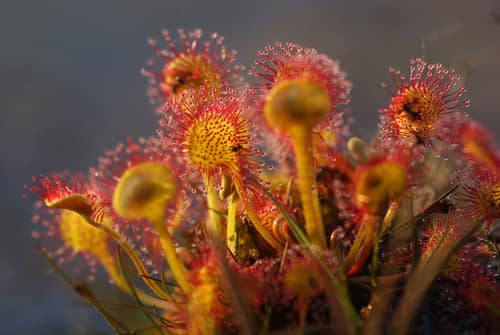
Frequent Companion (c) Sylvain Montagner, some rights reserved (CC BY), uploaded by Sylvain Montagner · cc-by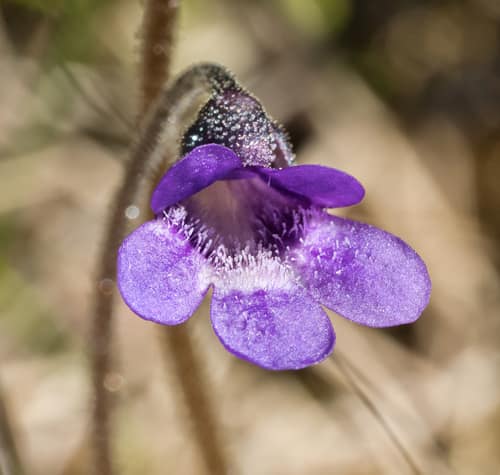
Frequent Companion (c) AJC1, some rights reserved (CC BY-SA) · cc-by-sa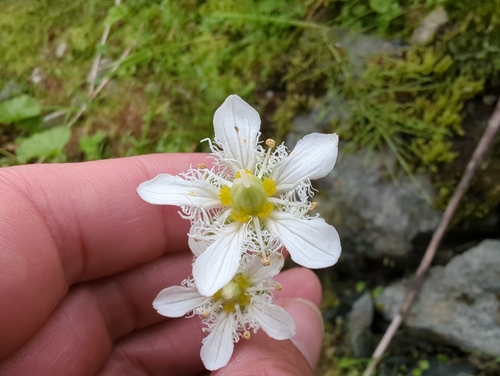
Close Relative (c) Matt Muir, some rights reserved (CC BY) · cc-by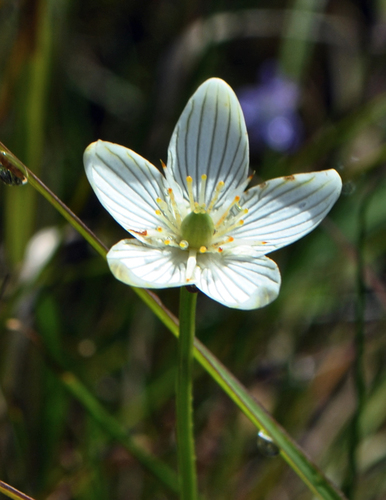
Close Relative (c) aarongunnar, some rights reserved (CC BY), uploaded by aarongunnar · cc-by
Help improve the field guideSomething wrong?
Checking your Fauna account…Report a name, category, or profile issue for review.