
Plant · GBIF taxon 3029627
Great Burnet
Sanguisorba officinalisAlso known as Official Burnet, Burnet Bloodwort
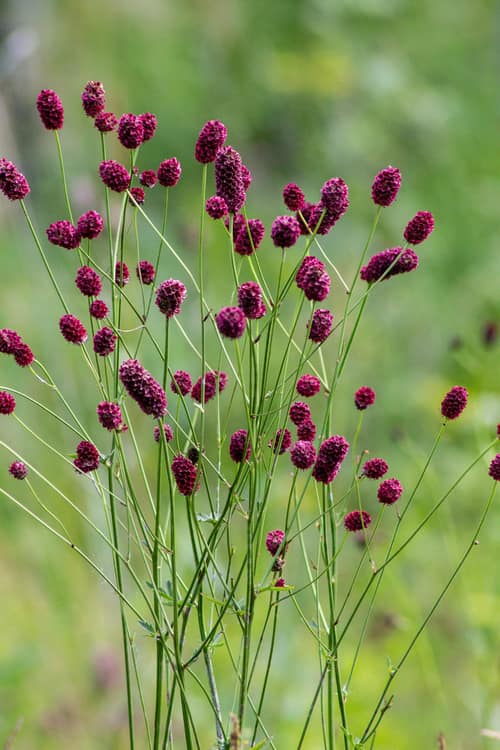
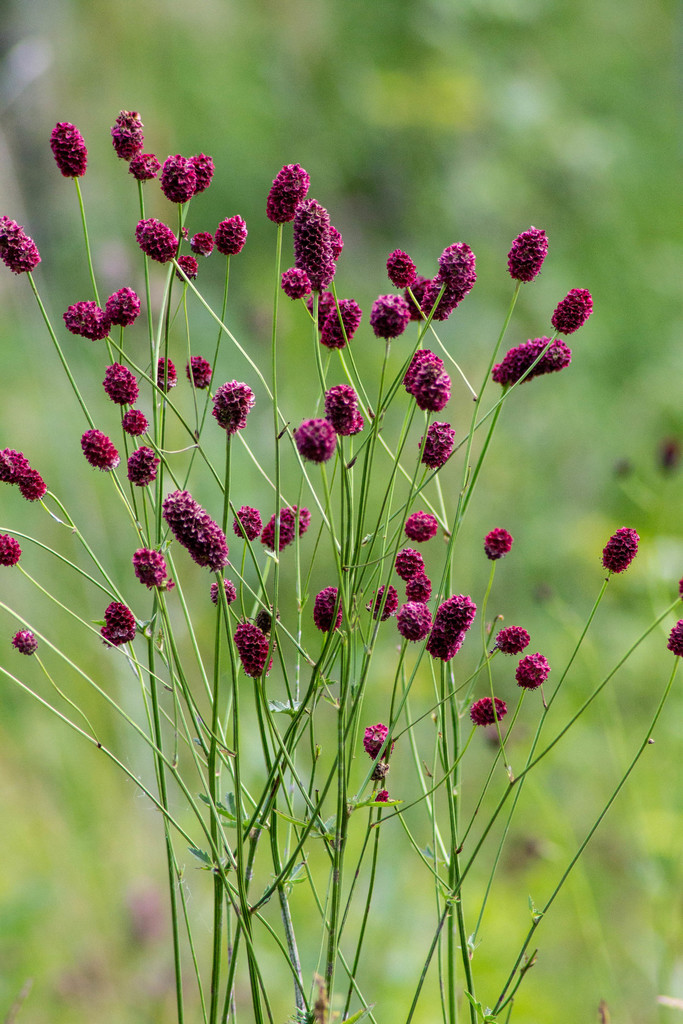
Great burnet stands out in damp grasslands with its striking, egg-shaped flower heads of deep crimson bobbing atop slender, branched stems. Deeply pinnate leaves form a basal rosette early in spring before tall flowering stalks reach above the surrounding meadow grasses. The plant plays a vital ecological role as the essential larval host for several rare species of blue butterflies across Europe and Asia.
PerennialWetlandWildflower
 1 / 7
1 / 7—observations
—countries
—peak records
Least ConcernConservation statusIUCN Red List categoriesLCNTVUENCREWEXLeast ConcernRed List categories, explained →
Diet & prey
- Sunlight
- Water
- Soil minerals
Predators
- Livestock
- Deer
- Insect larvae
ThreatsMeadow drainage, agricultural intensification, land development
HabitatsDamp meadows, floodplains, fen margins, pastures
Life spanPerennial (10–20 years)
Classification
- FamilyRosaceae
- SpeciesSanguisorba officinalis
Range data is not available yet.
Interaction riskLow
- Low
- Moderate
- High
- Very high
- Why interaction risk is low
- Safe to observe at a normal distance.
Responsible observation
- Field Identification: Look for dense, burgundy drumstick-like flower spikes on long, leafless stems.
- Ecological Observation: Search flowering heads in midsummer to spot visiting solitary bees, hoverflies, and butterflies.
 Image unavailable
Host Plant 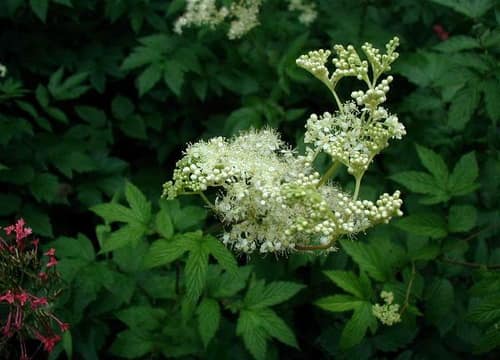
Meadow Companion (c) Sten Porse, some rights reserved (CC BY-SA) · cc-by-saClose Relative
Help improve the field guideSomething wrong?
Checking your Fauna account…Report a name, category, or profile issue for review.