
Plant · GBIF taxon 3028528
Garden Lady's-mantle
Alchemilla mollisAlso known as Lady's-mantle, Soft Lady's-mantle
Dense, velvety hairs coat the scalloped leaves of garden lady's-mantle, creating a superhydrophobic surface that beads morning dew and raindrops into shimmering spheres. Loose sprays of tiny, petal-less chartreuse blossoms rise above the rounded foliage in early summer, attracting a wide variety of solitary bees and hoverflies. While prized as a hardy, weed-suppressing groundcover across temperate gardens, it spreads vigorously by seed and can establish self-sustaining populations in natural waterways and meadows.
PerennialGroundcoverFlowering
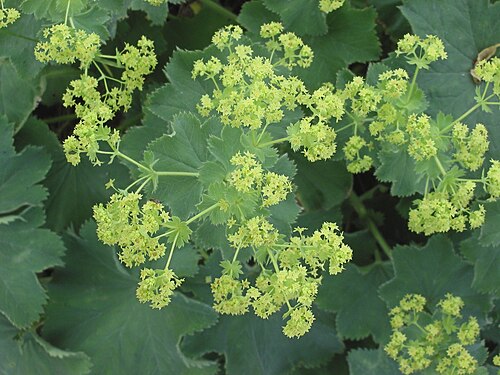
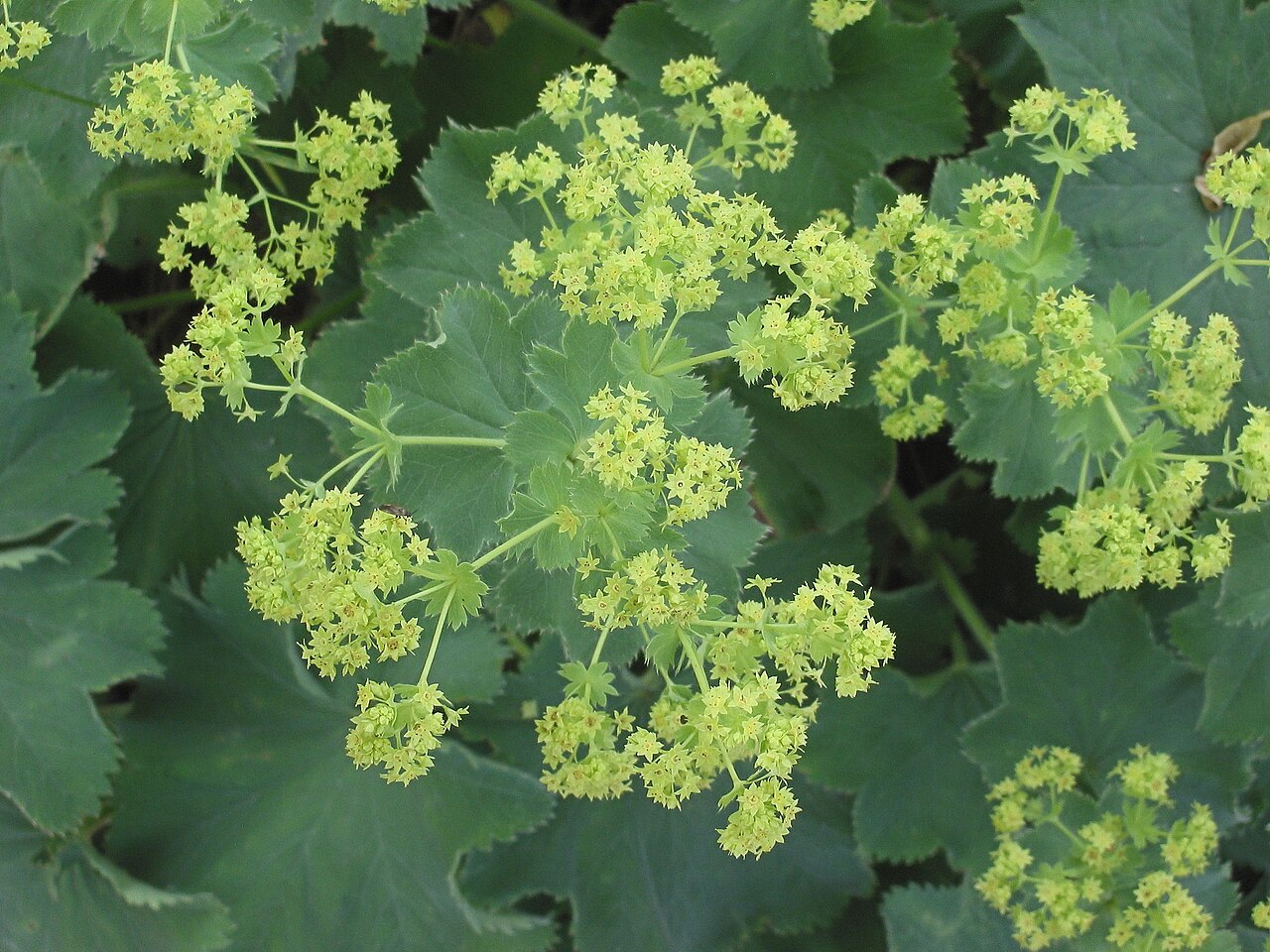
Licensed referenceRasbak 14:39, 19 June 2007 (UTC) / CC BY-SA 3.0 · cc-by-sa
—observations
—countries
—peak records
Not EvaluatedConservation statusIUCN Red List categoriesLCNTVUENCREWEXNot Evaluated — not placed on the risk ladderRed List categories, explained →
Diet & prey
- Photoautotroph
Predators
- Garden slug
- Brown garden snail
- Aphid
ThreatsOvergrazing and agricultural conversion in native mountain ranges
HabitatsMoist meadows, streambanks, woodland borders, and cottage gardens
Life span5–10 years
Size / weightNot available
Classification
- OrderRosales
- FamilyRosaceae
- GenusAlchemilla
- SpeciesAlchemilla mollis
Range data is not available yet.
Interaction riskLow
- Low
- Moderate
- High
- Very high
- Why interaction risk is low
- Safe to observe and handle at a normal distance.
Responsible observation
- Morning observation: Look closely after rain or early mist to observe water beading into mercury-like droplets on the foliage.
- Deadheading advice: Cut back faded chartreuse flower stalks in midsummer to prevent unwanted self-seeding in garden settings.
- Pollinator spotting: Search the tiny flowers in sunny weather to find small hoverflies and solitary bees foraging for nectar.
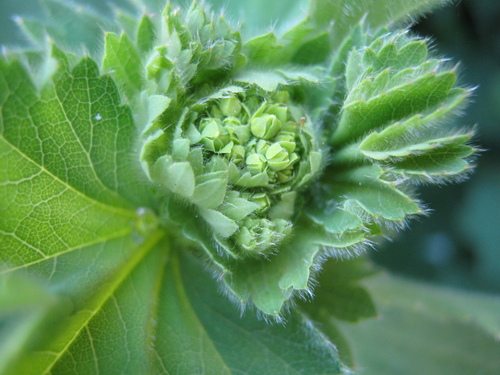
Close Relative (c) Glenn Fleishman, some rights reserved (CC BY) · cc-by Image unavailable
Close Relative 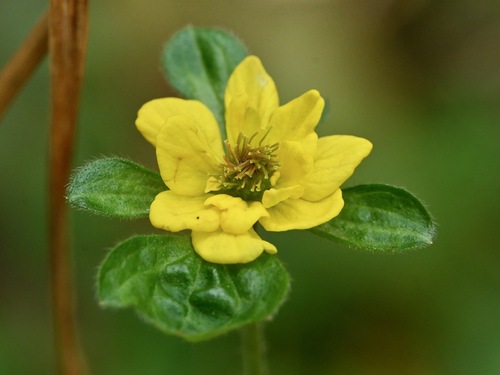
Same Family (c) Maciej Boenisch, some rights reserved (CC BY), uploaded by Maciej Boenisch · cc-bySame Family
Help improve the field guideSomething wrong?
Checking your Fauna account…Report a name, category, or profile issue for review.