
Plant
Rose Spirea
Spiraea douglasiiAlso known as Douglas' Spirea, Hardhack, Steeplebush
Rose Spirea is an upright suckering shrub with narrow gray-green leaves and dense steeple-shaped clusters of tiny rose-pink flowers. It forms thickets along sunny wetland margins, where the crowded blossoms attract bees and butterflies.
Wetland ShrubPink Flower PanicleClonal Thicket
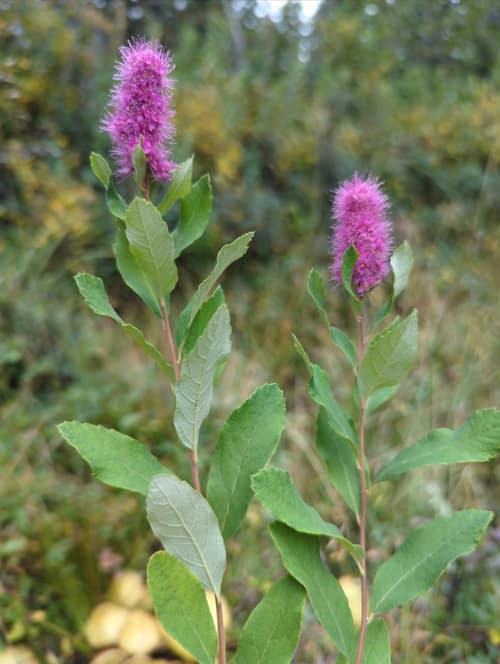
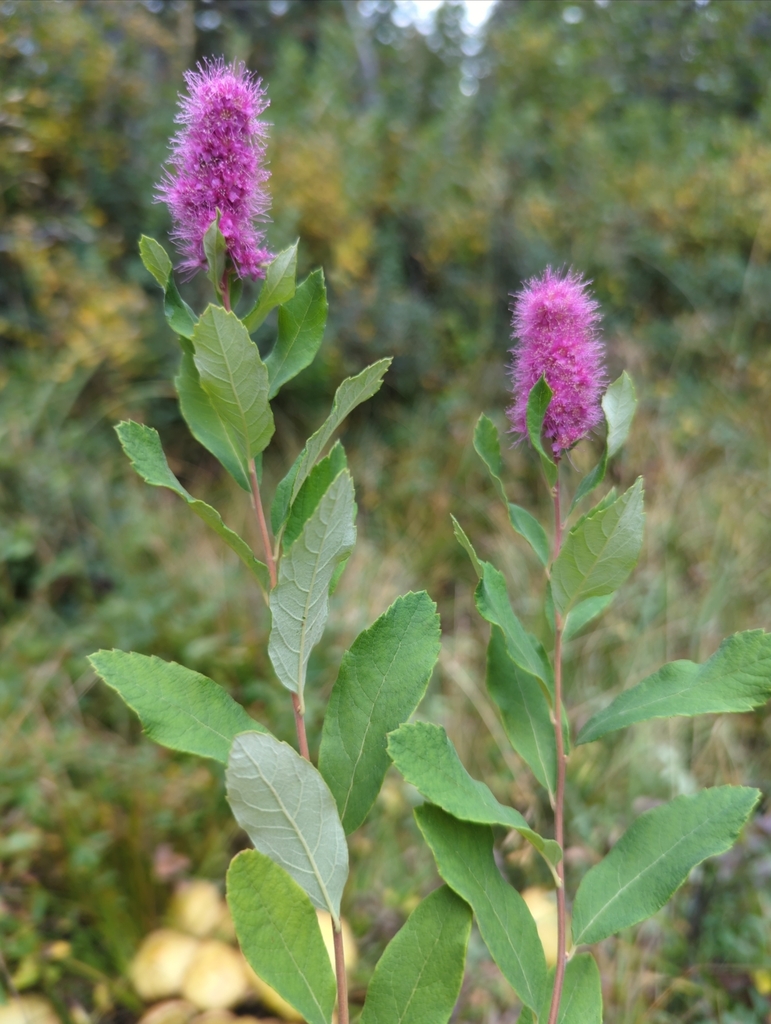
—observations
—countries
—peak records
Not EvaluatedConservation statusIUCN Red List categoriesLCNTVUENCREWEXNot Evaluated — not placed on the risk ladderRed List categories, explained →
Diet & preyProduces energy through photosynthesis and spreads water and nutrients among shoots through woody roots and rhizomes
Predators
- Black-tailed deer
- Leaf-feeding caterpillars
- Aphids
ThreatsWetland drainage, shoreline development, herbicide use, repeated mowing, drought, and competition from invasive plants
HabitatsMarsh edges, wet meadows, streambanks, lake borders, ditches, and moist forest openings
Life spanWoody stems persist for years, while a spreading clonal patch may survive for decades
Classification
- FamilyRosaceae
- SpeciesSpiraea douglasii
Range data is not available yet.
Interaction riskLow
- Low
- Moderate
- High
- Very high
- Why interaction risk is low
- Remain on firm ground and leave wetland flower clusters and stems uncut.
Responsible observation
- Cluster: Look for a dense narrow plume of many tiny pink flowers.
- Leaves: Check oblong toothed leaves with a paler gray-green lower surface.
- Wetland: Avoid trampling saturated soil or pushing through nesting cover.
Help improve the field guideSomething wrong?
Checking your Fauna account…Report a name, category, or profile issue for review.