
Plant
Broad-leaved Meadowsweet
Spiraea alba latifoliaAlso known as Broadleaf Meadowsweet, Northern Meadowsweet, Meadowsweet, Meadow Queen
Broadleaf meadowsweet forms dense, twiggy thickets along damp meadow edges and stream banks across eastern North America. In mid-to-late summer, fine pyramidal plumes of tiny white blossoms crown the upright reddish stems, drawing crowds of native bees, butterflies, and beetles. Its tough root systems stabilize soft wetland soils, while persistent autumn seed pods supply winter forage for small songbirds.
NativeFlowering ShrubWetland
—observations
—countries
—peak records
Least ConcernConservation statusIUCN Red List categoriesLCNTVUENCREWEXLeast ConcernRed List categories, explained →
Diet & preyAutotrophic (Photosynthesis)
Predators
- White-Tailed Deer
- Cottontail Rabbit
- Spirea Aphid
ThreatsHabitat drainage, invasive species encroachment, and brush clearing
HabitatsWetlands, stream banks, damp meadows, and bog margins
Life span20 to 50 years
Classification
- FamilyRosaceae
- SpeciesSpiraea alba latifolia
Range data is not available yet.
Interaction riskLow
- Low
- Moderate
- High
- Very high
- Why interaction risk is low
- Safe to observe at a normal distance.
Responsible observation
- Garden Planting: Position in full sun with moist soil to attract native pollinators.
- Identification: Look for smooth reddish stems and pyramidal white flower spikes in wet areas.
- Winter Care: Leave dried seed heads intact through winter to nourish foraging wild birds.
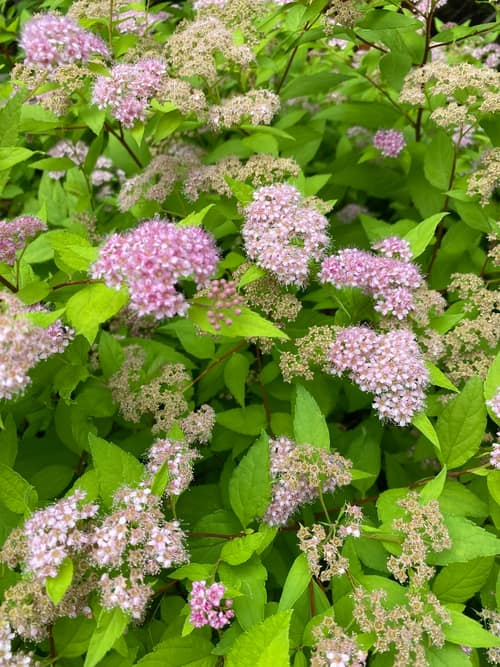
Invasive Competitor no rights reserved · cc0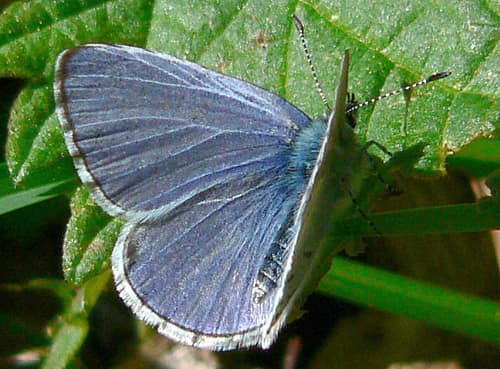
Host Plant Walter Siegmund / CC BY 2.5 · cc-by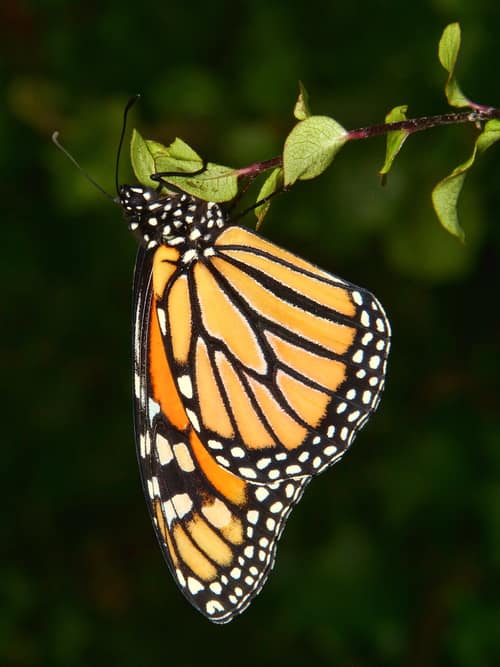
Pollinator Sid Mosdell from New Zealand / CC BY 2.0 · cc-by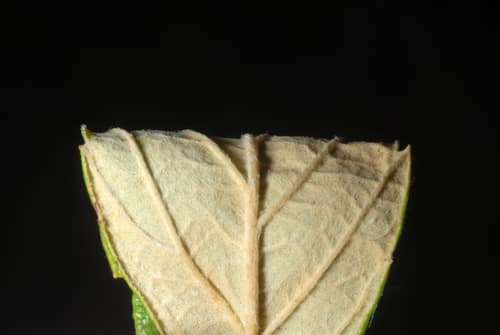
Close Relative (c) Douglas Goldman, some rights reserved (CC BY-SA), uploaded by Douglas Goldman · cc-by-sa
Help improve the field guideSomething wrong?
Checking your Fauna account…Report a name, category, or profile issue for review.