
Plant
White Meadowsweet
Spiraea albaAlso known as Meadowsweet, Narrowleaf Meadowsweet, Pale Bridewort, Pipestem
White meadowsweet forms dense thickets along stream banks, wet meadows, and lake margins across eastern North America. Fine cone-shaped clusters of tiny white flowers bloom at the tips of upright, woody stems from midsummer into early autumn. Bees, butterflies, and syrphid flies rely heavily on its abundant nectar and pollen during peak bloom.
FloweringWetlandNative Shrub
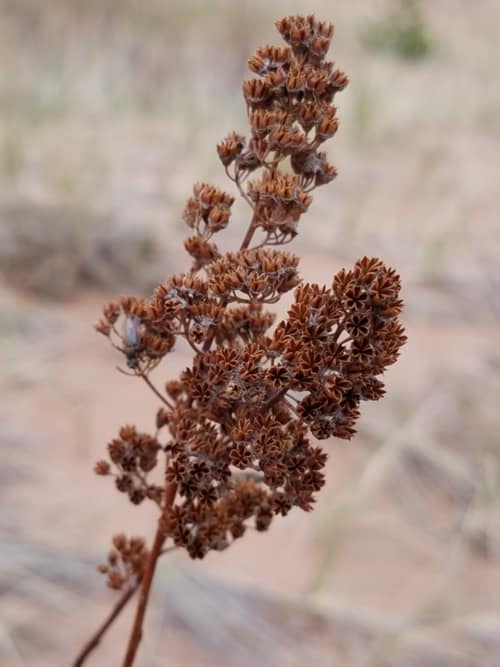
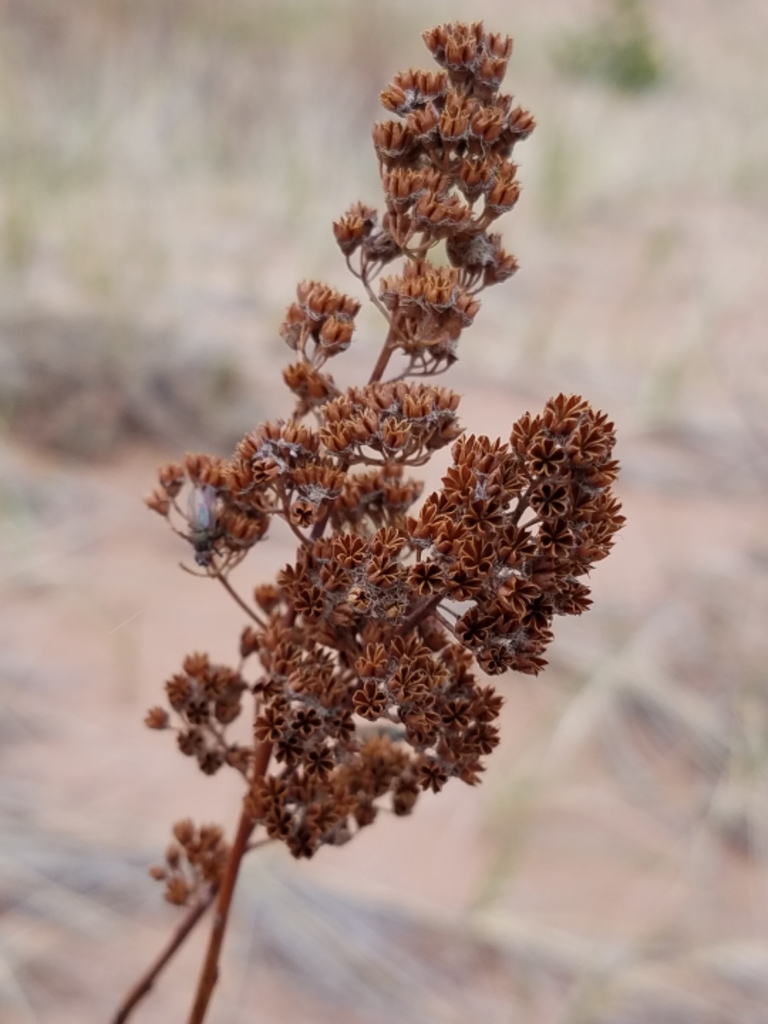
—observations
—countries
—peak records
Least ConcernConservation statusIUCN Red List categoriesLCNTVUENCREWEXLeast ConcernRed List categories, explained →
Diet & preyAutotrophic (Photosynthetic)
Predators
- White-tailed Deer
- Aphids
- Caterpillars
ThreatsHabitat loss, wetland drainage, competition from invasive species
HabitatsWet meadows, marshes, stream banks, lake borders, moist prairies
Life span10–30 years
Classification
- OrderRosales
- FamilyRosaceae
- GenusSpiraea
- SpeciesSpiraea alba
Range data is not available yet.
Interaction riskLow
- Low
- Moderate
- High
- Very high
- Why interaction risk is low
- Safe to observe at a normal distance.
Responsible observation
- Best Viewing Season: Look for fluffy white floral spires from July through September in moist sunny fields.
- Pollinator Spotting: Sit quietly near flowering clusters to watch a diverse array of native bees and butterflies.
- Identification Tip: Observe the fine serrations on narrow, oblong leaves along smooth brownish stems.
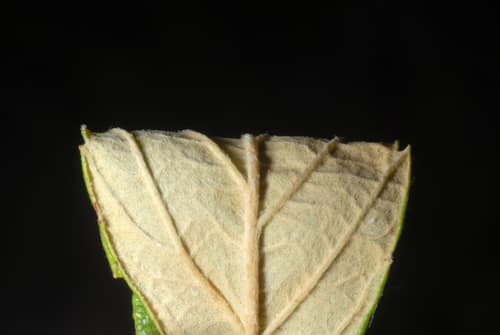
Close Relative (c) Douglas Goldman, some rights reserved (CC BY-SA), uploaded by Douglas Goldman · cc-by-sa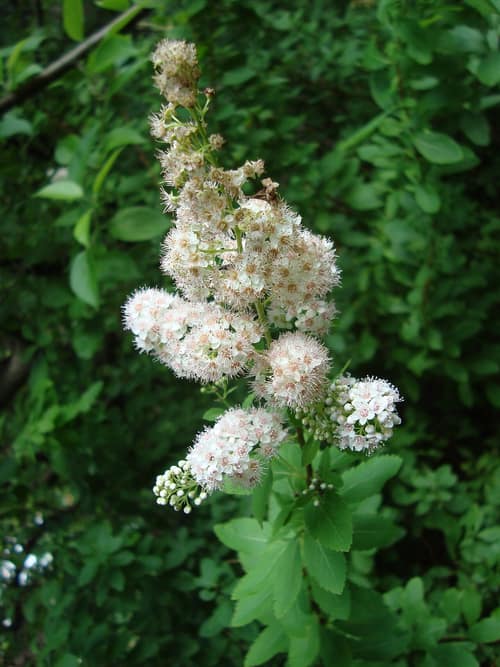
Close Relative Epibase / CC BY 3.0 · cc-by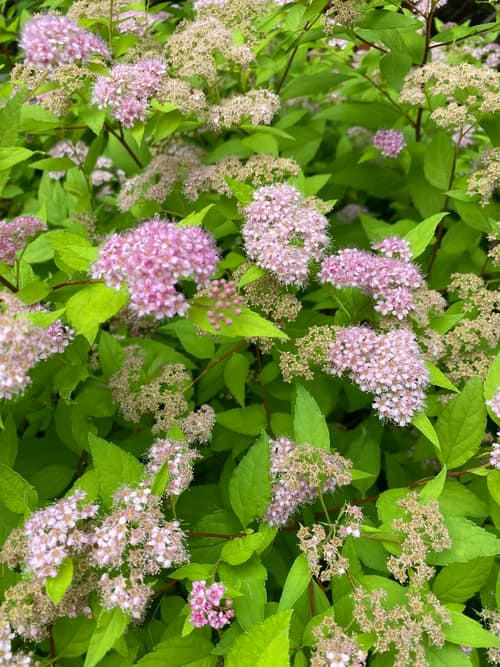
Non-Native Relative no rights reserved · cc0
Help improve the field guideSomething wrong?
Checking your Fauna account…Report a name, category, or profile issue for review.