Also known as Herringbone Cotoneaster, Rock Cotoneaster, Rock Spray Cotoneaster, Fishbone Cotoneaster
Wall cotoneaster is renowned for its stiff, horizontal branches arranged in an intricate herringbone or fishbone pattern that hugs rocky substrate and masonry. Native to western China, it produces glossy, rounded leaves that flare fiery orange and crimson each autumn alongside dense clusters of scarlet berries. While widely cultivated for ornamental groundcover, its seeds disperse readily via birds, allowing it to colonize sensitive limestone pavements and rocky cliffs as an invasive shrub.
Not EvaluatedConservation statusIUCN Red List categoriesLCNTVUENCREWEXNot Evaluated — not placed on the risk ladderRed List categories, explained →
Key facts
Diet & prey
Autotrophic (photosynthesis)
Predators
Cotoneaster webber moth
European rabbit
Roe deer
ThreatsBacterial fireblight, fungal root rot, and mechanical weed eradication
HabitatsRocky slopes, limestone pavements, cliffs, scrub, and urban walls
Life span20–40 years
Size / weightNot available
Classification
OrderRosales
FamilyRosaceae
GenusCotoneaster
SpeciesCotoneaster horizontalis
Range & activity
Range data is not available yet.
Safe observation
Interaction riskHigh
Low
Moderate
High
Very high
Why interaction risk is high
Berries contain cyanogenic glycosides; wild berries have toxic look-alikes, so never ingest.
Why it is dangerous
Leaves and berries contain cyanogenic glycosides that metabolize into toxic hydrogen cyanide, causing nausea, abdominal cramps, and vomiting if swallowed.
How to recognize a risky encounter
Recognize it by prostrate, fishbone-arranged stems bearing tiny rounded leaves and bright red pea-sized pomes.
What to do
Prevent children and household pets from ingesting fallen berries, and wash hands after pruning.
Responsible observation
Identification: Look for the stiff, planar herringbone branching pattern pressed close to stone.
Containment: Deadhead spent blossoms or prune fruiting branches to stop garden escapes into wild areas.
Handling: Wear sturdy gardening gloves when pruning to avoid scratches from stiff, woody twigs.

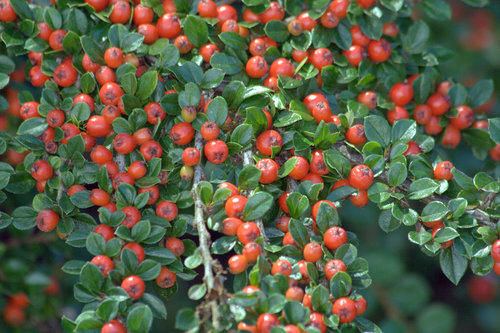
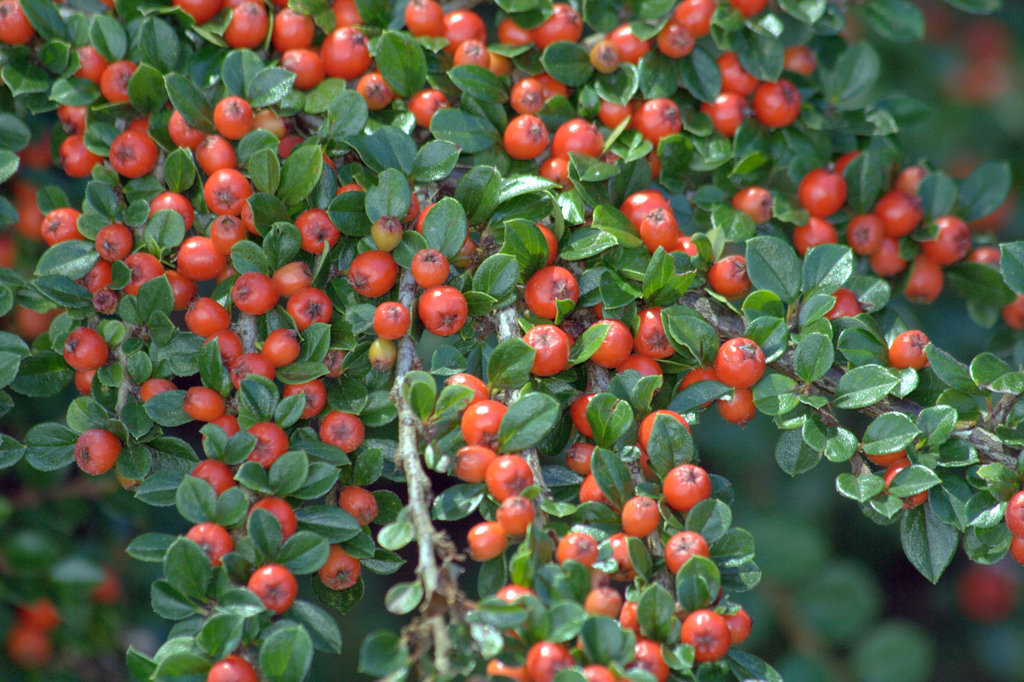
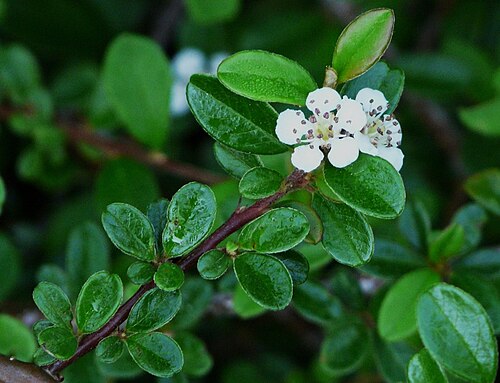
 Image unavailable