
Plant · GBIF taxon 3023130
Flowering Plum
Prunus trilobaAlso known as Flowering Almond, Rose Tree of China, Double Flowering Plum
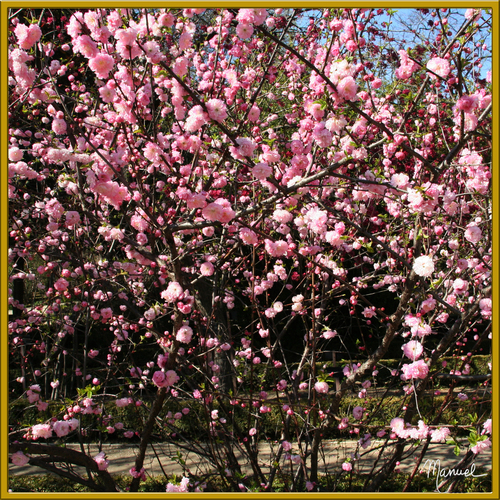
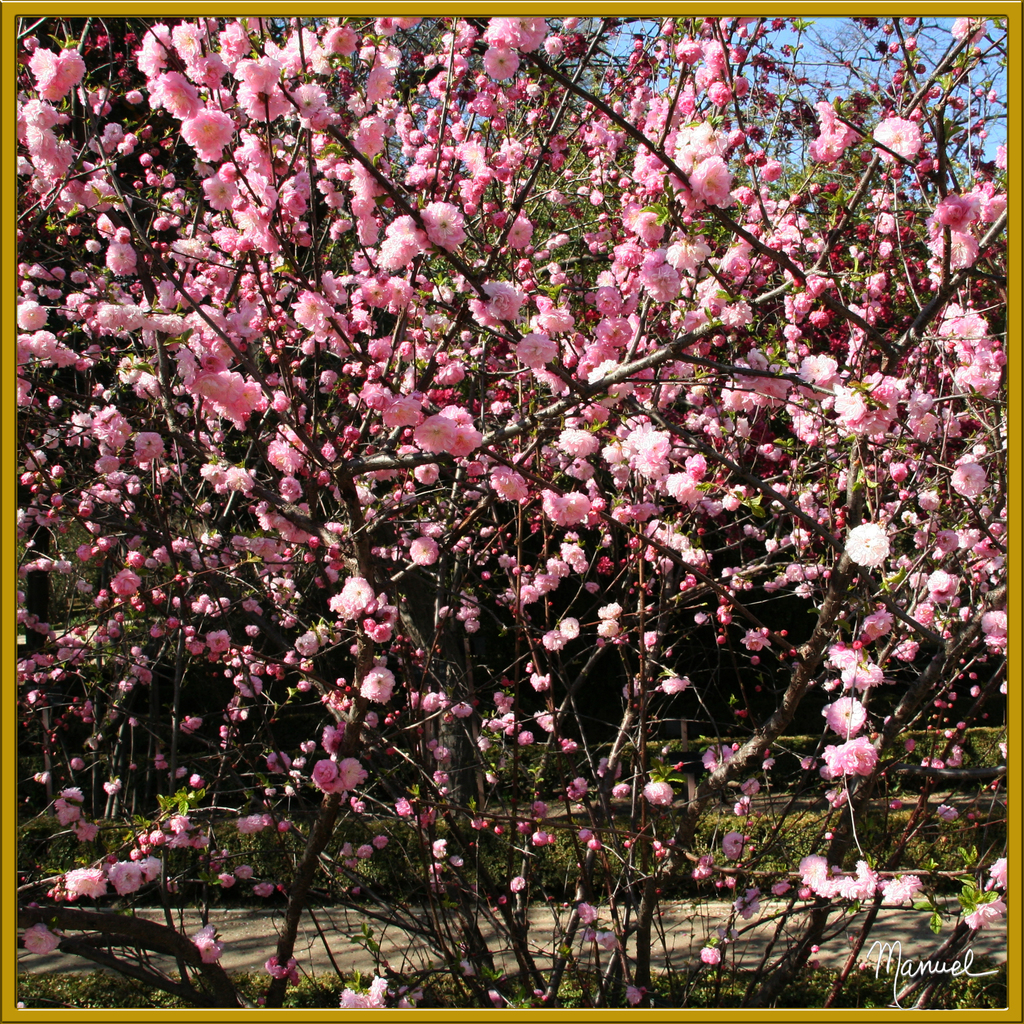
Flowering plum bursts into a spectacular display of soft pink blossoms in early spring, often completely covering bare branches before leaves emerge. Native to northern and western China, this deciduous shrub or small tree has earned global admiration in temperate gardens for its cloud-like flower clusters. Early pollinators rely heavily on its nectar when few other floral food sources are available.
DeciduousOrnamentalSpring Blooming
—observations
—countries
—peak records
Not EvaluatedConservation statusIUCN Red List categoriesLCNTVUENCREWEXNot Evaluated — not placed on the risk ladderRed List categories, explained →
Diet & prey
- Sunlight
- Water
- Soil Nutrients
Predators
- Deer
- Aphids
- Japanese Beetles
ThreatsBlack Knot Fungus, Pest Infestations, Habitat Loss (wild)
HabitatsTemperate Gardens, Mixed Woodlands, Cultivated Landscapes
Life span20–50 years
Size / weightNot available
Classification
- OrderRosales
- FamilyRosaceae
- GenusPrunus
- SpeciesPrunus triloba
Range data is not available yet.
Interaction riskHigh
- Low
- Moderate
- High
- Very high
- Why interaction risk is high
- Seeds and foliage contain cyanogenic glycosides toxic to pets if ingested; wild berries have toxic look-alikes.
- Why it is dangerous
- Pits, bark, and wilted foliage contain cyanogenic glycosides that break down into toxic hydrogen cyanide when chewed.
- How to recognize a risky encounter
- Recognized by its multi-stemmed shrubby habit, dense pink double flowers in early spring, and small fuzzy red fruits.
- What to do
- Enjoy blossoms visually; keep fallen leaves and fruit pits away from pets and curious livestock.
Responsible observation
- Spring Viewing: Look for dense clusters of soft pink blooms along bare branches in early spring.
- Pruning Care: Prune immediately after flowering to promote healthy growth for next season's buds.
- Wildlife Watching: Watch for early-emerging bees foraging among the blossoms on sunny days.
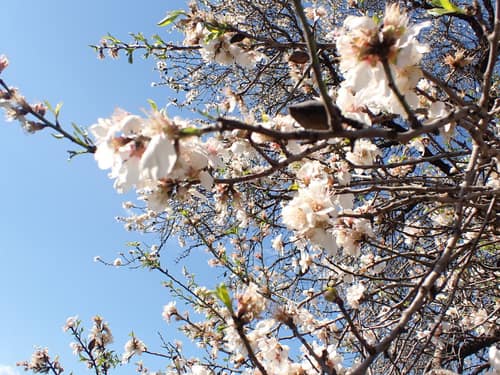
Close Relative (c) Sarah Faulwetter, some rights reserved (CC BY), uploaded by Sarah Faulwetter · cc-by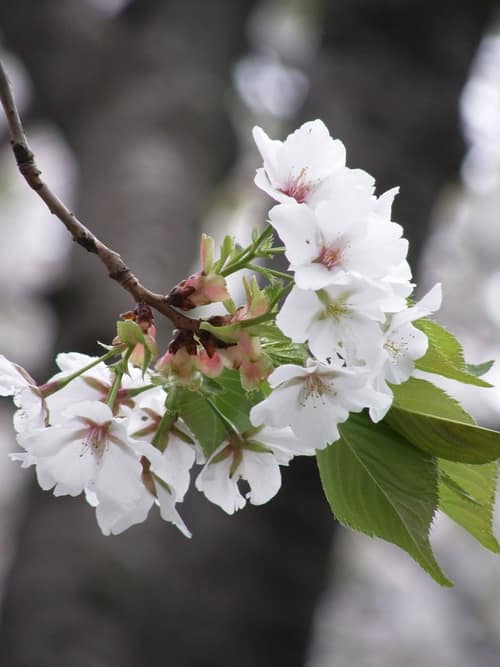
Close Relative "Sakura (Oshima Zakura) - Japanese Cherry Blossom" by Guwashi999 is licensed under CC BY 2.0. To view a copy of this license, visit https://creativecommons.org/licenses/by/2.0/. · cc-by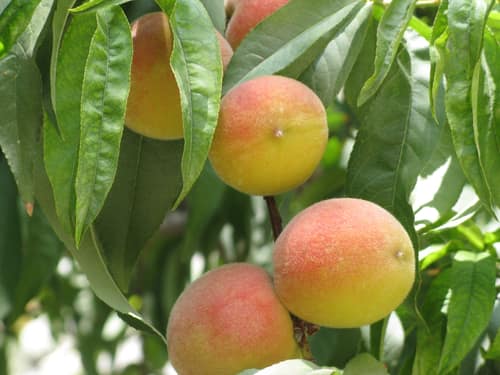
Close Relative (c) Yair Haklai, some rights reserved (CC BY-SA) · cc-by-sa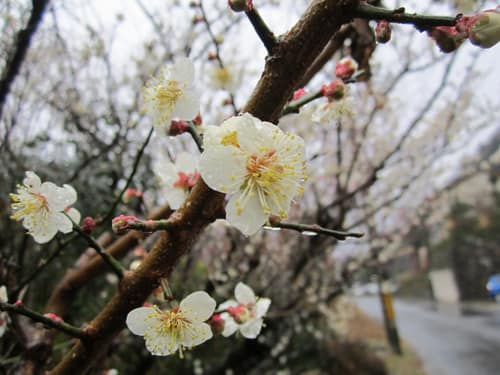
Close Relative (c) Richard Littauer, some rights reserved (CC BY) · cc-by
Help improve the field guideSomething wrong?
Checking your Fauna account…Report a name, category, or profile issue for review.