
Japanese Cherry
Prunus serrulataAlso known as East Asian Cherry, Hill Cherry, Oriental Cherry, Sato-zakura
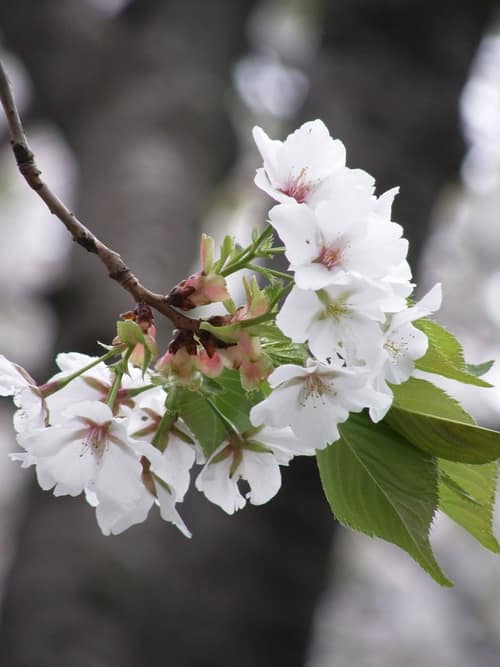
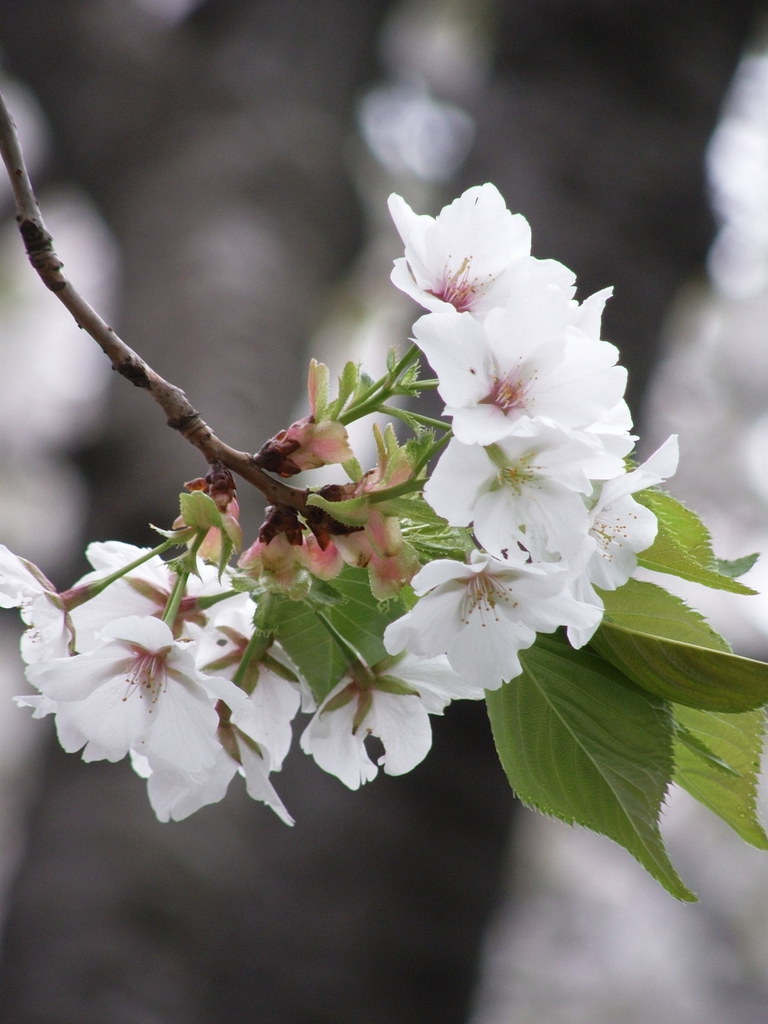
Japanese cherry trees transform temperate landscapes each spring with dense clouds of fragrant, pink to white blossoms that open just before or alongside new leaves. Smooth reddish-brown bark marked by prominent horizontal lenticels gives way to dark green leaves with finely serrated margins that turn brilliant shades of bronze and crimson in autumn. Celebrated for centuries in East Asian culture, these trees serve as central symbols of renewal, transience, and spring festivals worldwide.
- Sunlight
- Water
- Soil Nutrients
- Aphids
- Japanese Beetles
- Tent Caterpillars
- OrderRosales
- FamilyRosaceae
- GenusPrunus
- SpeciesPrunus serrulata
- Low
- Moderate
- High
- Very high
- Why interaction risk is high
- Seeds, leaves, and stems contain toxic cyanogenic compounds; do not ingest wild cherries or foliage.
- Why it is dangerous
- Contains cyanogenic glycosides in seeds, leaves, and stems, which break down into hydrogen cyanide when chewed or swallowed.
- How to recognize a risky encounter
- Recognized by smooth copper bark with horizontal slits, double-serrated leaf edges, and clustered pink or white flowers.
- What to do
- Enjoy the floral display safely from a distance, and keep pets or young children from chewing twigs or seeds.
- Spring Viewing: Visit during peak bloom in early to mid-spring to witness mass flowering.
- Bark Identification: Look for distinctive horizontal lenticels across smooth, copper-tinted bark.
- Pet Safety: Prevent dogs from chewing fallen branches or leaves, which contain toxic compounds.
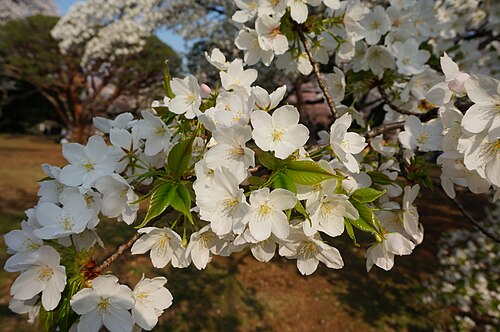
Parent Species SLIMHANNYA / CC BY-SA 4.0 · cc-by-sa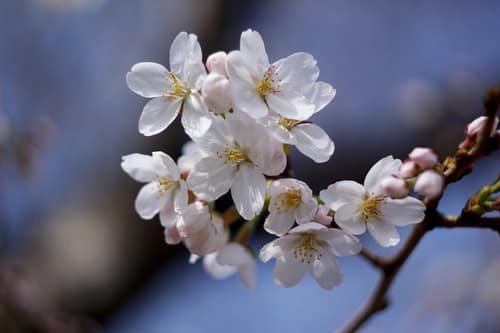
Popular Hybrid "'SOMEI YOSHINO' cherry blossom" by ai3310X is licensed under CC BY 2.0. To view a copy of this license, visit https://creativecommons.org/licenses/by/2.0/. · cc-by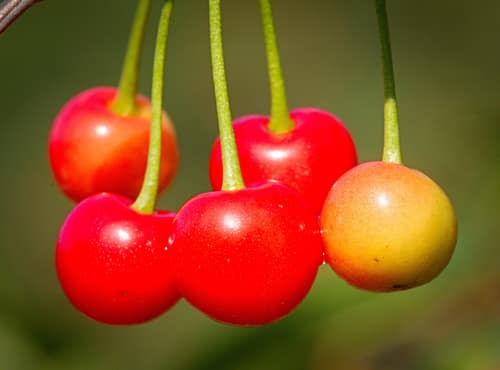
Close Relative (c) hedera.baltica, some rights reserved (CC BY-SA) · cc-by-sa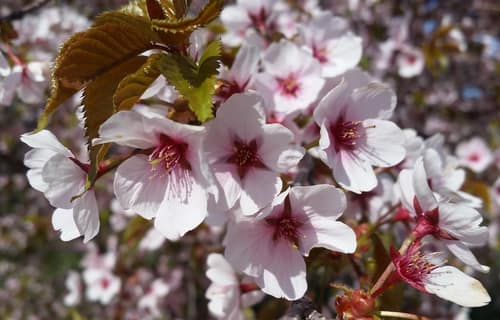
Close Relative "Fuji cherry blossoms, Olbrich Gardens" by benet2006 is licensed under CC BY 2.0. To view a copy of this license, visit https://creativecommons.org/licenses/by/2.0/. · cc-by
Found in Collections
Secret Garden
Japanese Cherry is found in this collection. Identify it in Fauna to fill this slot and continue your progress.
Unlock to track progress
Report a name, category, or profile issue for review.